Enter a keyword below to search for articles and products.
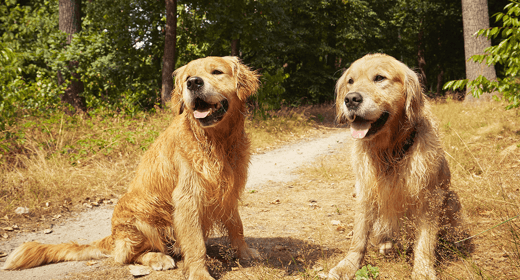
Whether your dog is a big sweetie, a big weirdo or a big athlete, here’s what you need to know about taking care of your big dog.
First, all big dogs start out as little dogs. But pretty soon they grow up — and so does their appetite, their toys, their dog bowls, the vet bill and their need for speed.
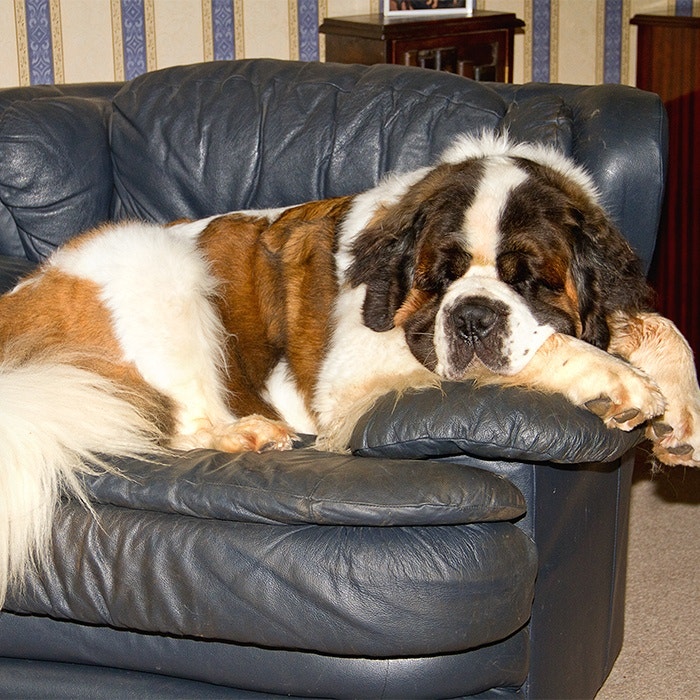
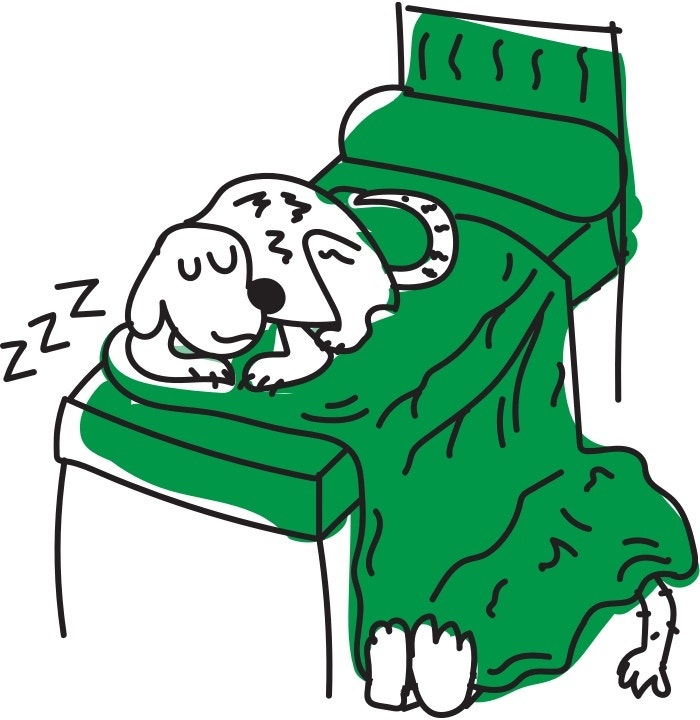
He started to grow.
And pretty soon
he was bigger than
the recliner.
Sometimes it can take more than two years for them to reach their full size.
And you won’t like to think about it too much, but their life spans are shorter, too: about 10 to 12 years.
No wonder
you'll let him push
you off the bed
at night.
If a large dog gets too much food as a pup, they’re at a higher risk of growing too quickly, which can cause joint trouble.
For large breeds, being overweight is especially problematic. All that extra weight can be a lot for the joints to carry around.
Keep your good old dog healthy by practicing portion control and feeding nutritious food like IAMS™ Mature Adult Large Breed.
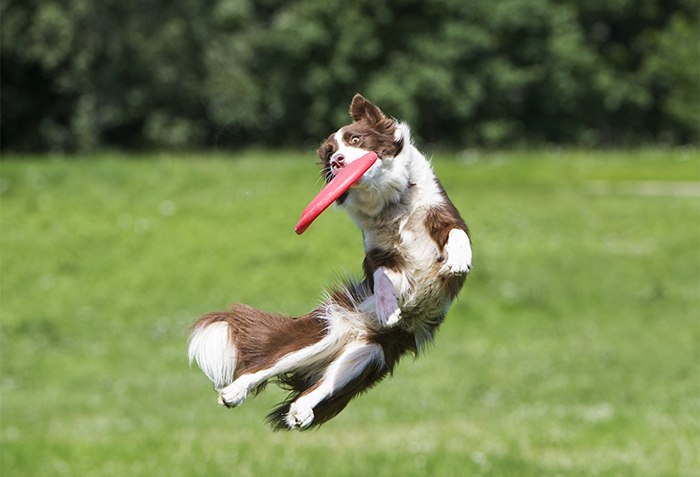
How will she catch
a screaming
15-mile-an-hour
Frisbee in midair
if she has knee trouble.
Back in the day, large-breed dogs were especially energetic. They were working dogs, herders, hunters, cart pullers and people protectors.
Who are we to deny their evolution?
Make sure your dog gets exercise every day.
How do you accomplish this? Walk, walk and more walk. And add in some running, jumping, chasing, hiking, fetching, dog-park visiting, swimming and even agility courses.
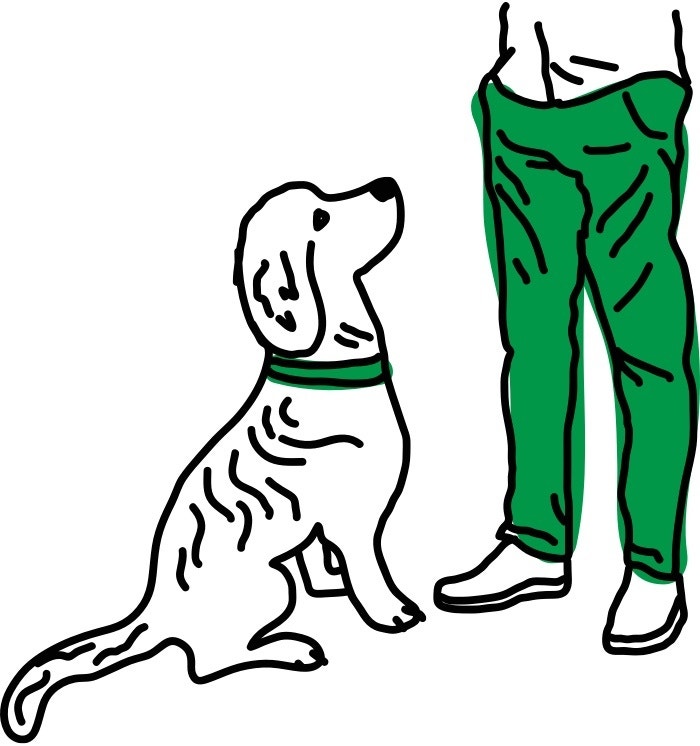
Repeat this mantra:
'I am the alpha.'
When it comes to training, think of it this way: The bigger the dog, the harder it is to hide behavior problems. And if you can’t control your super-sized soulmate, they could inadvertently cause damage or hurt someone.
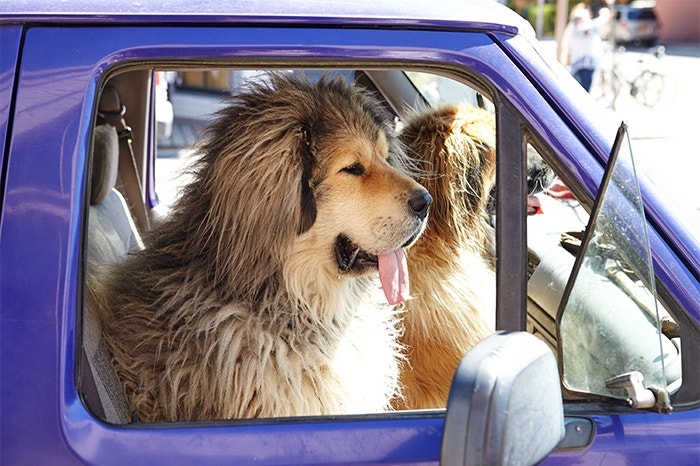
Living large is all
about biting the
wind and living
that sweet,
sweet life.
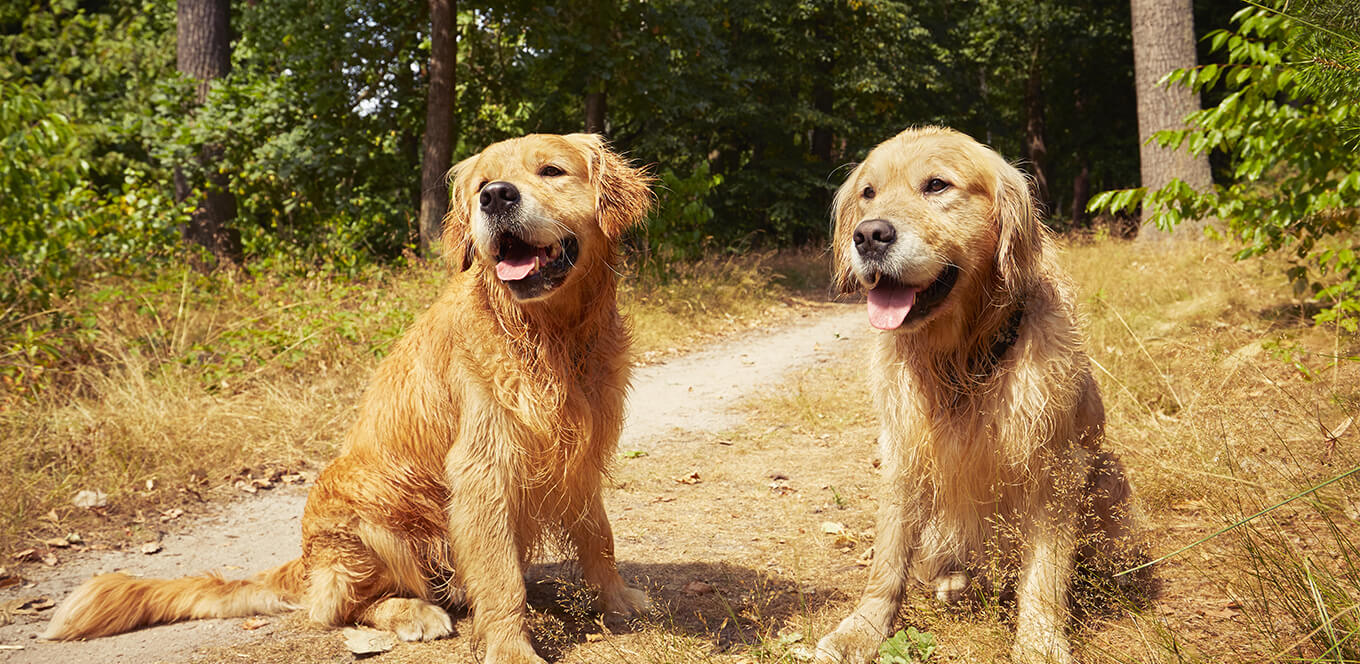
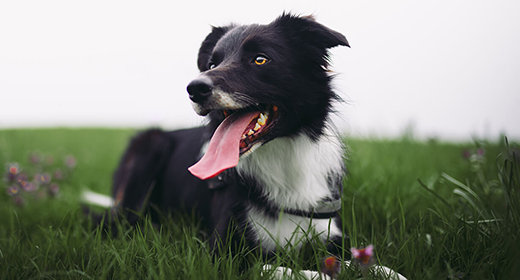
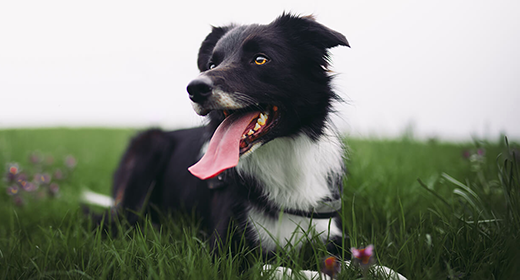
Chicken has been a widely popular and easily accessible source of protein for humans. However, when it comes to our canine companions, the role of chicken is a topic that demands exploration. From its countless health benefits to allergic reactions and dietary sensitivities, understanding the implications of incorporating chicken into a dog's meal plan is crucial for responsible pet care. Delve into the nuances of how chicken can serve as a valuable dietary component for dogs, uncovering the dos and don'ts that can help foster a balanced and nourishing diet for our beloved four-legged friends.
The short answer is yes, chicken is good for dogs. In fact, chicken is a common ingredient in many high-quality dog foods, owing to its rich protein content and relatively low fat. It provides essential amino acids that contribute to muscle development and overall health. However, it is crucial to prepare chicken appropriately for your furry friend as certain seasonings or cooking methods might be harmful.
While dogs are known to be natural carnivores, the consumption of raw chicken raises concerns. Raw chicken can potentially contain harmful bacteria such as salmonella or listeria, which pose health risks for dogs, just as they do for humans.
The consumption of raw chicken might lead to foodborne illnesses and digestive issues, causing vomiting, diarrhoea, or even more severe complications. Therefore, it is generally advised to thoroughly cook chicken before feeding it to your dog, eliminating any potential bacteria and making it safe for consumption.
While the appeal of a raw diet for dogs is gaining traction, the dangers of raw chicken consumption remain a significant concern:
Although rare, some dogs can develop allergies to chicken, resulting in various symptoms such as itching, skin irritation, gastrointestinal upset, and even respiratory issues. Chicken allergies in dogs are typically a response to specific proteins.
Dogs are omnivores, and aside from chicken, they can safely consume various other types of meat as part of a balanced diet.
Considering the risks associated with raw chicken consumption and potential allergies in dogs, seeking veterinary guidance is highly recommended. If your dog exhibits symptoms of an allergic reaction or has consumed raw chicken, a visit to the vet is crucial.
A veterinarian can conduct a thorough examination to identify the nature and severity of the allergic response and provide appropriate treatment options. Additionally, they can address any potential complications resulting from bacterial contamination, including gastrointestinal distress or other related health issues. Early intervention by a qualified veterinary professional can help mitigate the risks associated with food allergies and ensure the well-being of your canine companion.
Remember, the expertise of a veterinarian is essential, especially when it comes to handling food-related concerns. Seeking their advice and treatment can help safeguard your dog's health and prevent any further complications. Prioritising your dog's health and well-being through professional veterinary care can contribute significantly to their overall quality of life and long-term wellness.