Enter a keyword below to search for articles and products.
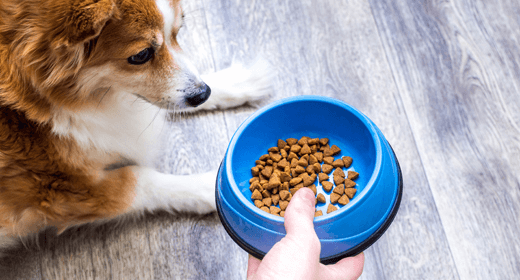
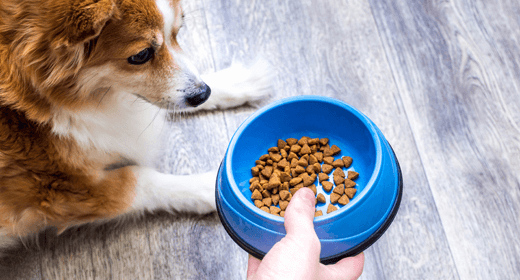
As dogs age, changes occur in the way their bodies function, so it makes sense that what they eat also might need to change. The following list of health issues might be more common in aging pets.
Decreased Immune System Function
Throughout a dog’s life, a process called peroxidation occurs. Peroxidation is a normal process that the body uses to destroy cells that outlive their usefulness and to kill germs, parasites, etc. This process, however, also can destroy or damage healthy cells. As your dog ages, the damage caused by peroxidation accumulates, which, in turn, increases the risk of certain problems, such as infections.
Antioxidants are naturally occurring nutrients that help maintain overall health by neutralizing the peroxidation process of cellular molecules. Some antioxidants, such as vitamin E, beta-carotene, and lutein, are naturally occurring nutrients.
Recent research sponsored by The IAMS™ Company found that dogs fed a diet rich in antioxidants such as vitamin E, lutein, or beta-carotene had improved immune responses and vaccine recognition. This might be especially important in senior dog care; IAMS research has found that as dogs age, immune responses can decrease.
More Frequent Intestinal Problems
Older dogs might have higher numbers of unfavorable bacteria and lower numbers of beneficial bacteria in their intestines, which can result in clinical signs of gastrointestinal problems (e.g., diarrhea).
Feeding a diet containing fructooligosaccharides (FOS), a unique fiber source that helps nutritionally maintain healthy intestinal bacterial populations, promotes growth of beneficial bacteria. Beet pulp, a moderably fermentable fiber source, also helps maintain intestinal health by providing energy for the cells lining the intestine and promoting small, firm stools.
Different dogs show signs of aging at different times, and much of this variation is associated with size. Larger dogs generally appear 'old' sooner than smaller dogs. The table below lists the age at which various groups of dogs should be transitioned to senior foods, such as IAMS™ ProActive Health™ Senior Plus.
| Weight Range | Age to Begin Transition |
|---|---|
| More than 90 lbs | 5 years |
| 51 to 90 lbs | 6 years |
| 21 to 50 lbs | 7 years |
| Up to 20 lbs | 7 years |


Obesity is a common problem in dogs, but you can help your pet lose weight. Identifying the causes and following a total weight-management program can result in controlled weight loss and maintenance. A total weight-management program includes evaluating the animal, educating the pet owner, modifying behaviors, and tailoring the program to individual situations.
Obesity is defined as an increase in body weight, beyond the limitation of skeletal and physical requirements, resulting from an accumulation of excess body fat.
Obesity is caused when caloric intake exceeds caloric expenditure. This simply means that a dog eats more energy (calories) than it uses and stores the excess energy as fat.
There are many factors that can contribute to obesity:
Fat
Fiber and Fatty Acids
Carbohydrates and Special Ingredients
In addition, a diet that contains L-carnitine can help dogs metabolize fat. L-carnitine is a vitamin-like compound that helps burn fat.
A total weight-management program can lead to successful weight reduction in the obese dog. Complete evaluation by the veterinarian is always recommended, and owner compliance is essential to success.
IAMS™ and professional veterinary products provide optimum nutrition for animals that can benefit from a weight-management program.