Enter a keyword below to search for articles and products.
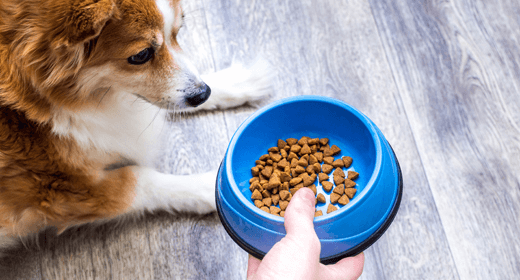
As dogs age, changes occur in the way their bodies function, so it makes sense that what they eat also might need to change. The following list of health issues might be more common in aging pets.
Decreased Immune System Function
Throughout a dog’s life, a process called peroxidation occurs. Peroxidation is a normal process that the body uses to destroy cells that outlive their usefulness and to kill germs, parasites, etc. This process, however, also can destroy or damage healthy cells. As your dog ages, the damage caused by peroxidation accumulates, which, in turn, increases the risk of certain problems, such as infections.
Antioxidants are naturally occurring nutrients that help maintain overall health by neutralizing the peroxidation process of cellular molecules. Some antioxidants, such as vitamin E, beta-carotene, and lutein, are naturally occurring nutrients.
Recent research sponsored by The IAMS™ Company found that dogs fed a diet rich in antioxidants such as vitamin E, lutein, or beta-carotene had improved immune responses and vaccine recognition. This might be especially important in senior dog care; IAMS research has found that as dogs age, immune responses can decrease.
More Frequent Intestinal Problems
Older dogs might have higher numbers of unfavorable bacteria and lower numbers of beneficial bacteria in their intestines, which can result in clinical signs of gastrointestinal problems (e.g., diarrhea).
Feeding a diet containing fructooligosaccharides (FOS), a unique fiber source that helps nutritionally maintain healthy intestinal bacterial populations, promotes growth of beneficial bacteria. Beet pulp, a moderably fermentable fiber source, also helps maintain intestinal health by providing energy for the cells lining the intestine and promoting small, firm stools.
Different dogs show signs of aging at different times, and much of this variation is associated with size. Larger dogs generally appear 'old' sooner than smaller dogs. The table below lists the age at which various groups of dogs should be transitioned to senior foods, such as IAMS™ ProActive Health™ Senior Plus.
| Weight Range | Age to Begin Transition |
|---|---|
| More than 90 lbs | 5 years |
| 51 to 90 lbs | 6 years |
| 21 to 50 lbs | 7 years |
| Up to 20 lbs | 7 years |
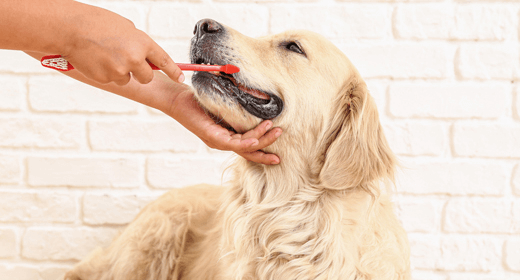
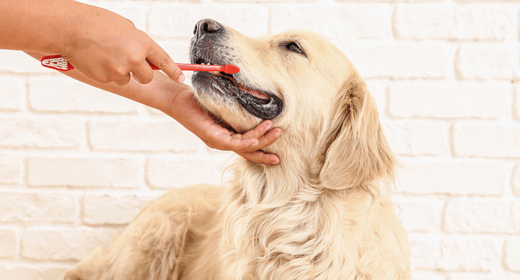
Oral care is a key component of your pet’s overall health: A smart regimen can help prevent the development of serious conditions. Keeping your pet’s teeth clean and bacteria-free results in more than just healthy teeth and fresh breath. With a little know-how and effort, you can protect your pet for a lifetime of companionship.
Tartar and gingivitis are the most common problems seen by veterinarians. The majority of dogs will develop these problems. Unchecked, these can lead to periodontitis and serious health concerns for your pet, up to and including, tooth loss and serious illness. But you can take action to control this and promote good oral health by incorporating the 3Ds: Daily Brushing, Dentistry. and Diet.
Daily brushing of your pet’s teeth will remove plaque and slow the development of tartar. When first beginning to brush, be gradual and make it a pleasant experience. Start by using your finger. Later, introduce a toothbrush. Be sure to praise and reassure your pet while brushing. Also, reward your pet afterward with play or a walk.
Talk with your veterinarian about annual or semiannual teeth cleaning—a dental prophylaxis or prophy for short. Teeth cleaning, performed by your veterinarian, is the only way to remove tartar.
Diet is important to good oral health. The mechanical, brushing action of dry, crunchy kibbles helps remove plaque and works to scrub teeth clean. Some diets also might include ingredients such as hexametaphosphate (HMP) that can help block tartar formation. Diet, daily brushing, and dentistry helps break the plaque-to- tartar cycle and optimize oral health.