Enter a keyword below to search for articles and products.
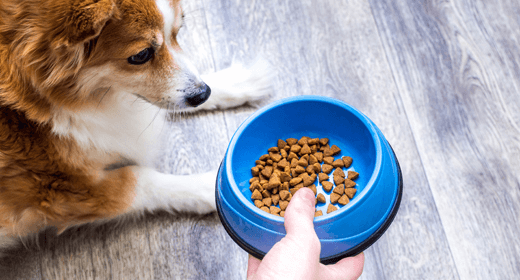
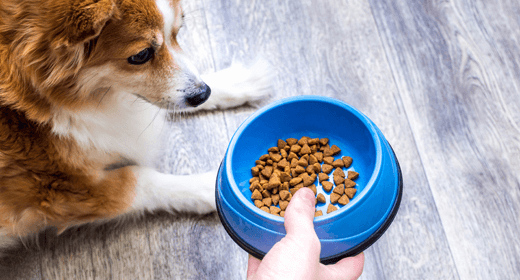
As dogs age, changes occur in the way their bodies function, so it makes sense that what they eat also might need to change. The following list of health issues might be more common in aging pets.
Decreased Immune System Function
Throughout a dog’s life, a process called peroxidation occurs. Peroxidation is a normal process that the body uses to destroy cells that outlive their usefulness and to kill germs, parasites, etc. This process, however, also can destroy or damage healthy cells. As your dog ages, the damage caused by peroxidation accumulates, which, in turn, increases the risk of certain problems, such as infections.
Antioxidants are naturally occurring nutrients that help maintain overall health by neutralizing the peroxidation process of cellular molecules. Some antioxidants, such as vitamin E, beta-carotene, and lutein, are naturally occurring nutrients.
Recent research sponsored by The IAMS™ Company found that dogs fed a diet rich in antioxidants such as vitamin E, lutein, or beta-carotene had improved immune responses and vaccine recognition. This might be especially important in senior dog care; IAMS research has found that as dogs age, immune responses can decrease.
More Frequent Intestinal Problems
Older dogs might have higher numbers of unfavorable bacteria and lower numbers of beneficial bacteria in their intestines, which can result in clinical signs of gastrointestinal problems (e.g., diarrhea).
Feeding a diet containing fructooligosaccharides (FOS), a unique fiber source that helps nutritionally maintain healthy intestinal bacterial populations, promotes growth of beneficial bacteria. Beet pulp, a moderably fermentable fiber source, also helps maintain intestinal health by providing energy for the cells lining the intestine and promoting small, firm stools.
Different dogs show signs of aging at different times, and much of this variation is associated with size. Larger dogs generally appear 'old' sooner than smaller dogs. The table below lists the age at which various groups of dogs should be transitioned to senior foods, such as IAMS™ ProActive Health™ Senior Plus.
| Weight Range | Age to Begin Transition |
|---|---|
| More than 90 lbs | 5 years |
| 51 to 90 lbs | 6 years |
| 21 to 50 lbs | 7 years |
| Up to 20 lbs | 7 years |


Dogs love to chew on things. In fact, chewing is a natural canine behavior. Providing appropriate chew treats and chew toys can be rewarding for the dog and might prevent or eliminate possible destructive chewing behavior. Chewable treats/toys are designed to provide that important natural chewing activity that dogs love. If the chew treat/toy has other benefits, such as oral care, that's even better.
Make enjoying chew treats and chew toys a safe and healthy activity with these tips:
Tip #1: There is some risk of digestive-tract obstruction with any type of chew treat or chew toy. Safety is always a concern when a dog chews. Many natural objects, such as sticks, rocks, and bones, can get stuck in a dog’s throat or intestine. As a dog owner, you are ultimately responsible to monitor your dog closely to make certain that the chew treat is chewed well.
Tip #2: Chew treats and chew toys should be sized appropriately for your dog. In other words, your dog should not be given a chew treat/toy that could be swallowed whole. Packages should indicate the appropriate size dog for the chew treat/toy. If in doubt, ask your retailer or contact the manufacturer.
Tip #3: Observe your dog playing with the chew toy or eating the chew treat. With the chew treat, your dog should gnaw on it with the side teeth and swallow pieces of the edible chew. Because dogs don't have the same crushing molars that humans have, they will “slice” off pieces with the side teeth. Many dogs will hold the treat in their paws or simply move it from side to side in their mouth as they chew off small pieces.
Tip #4: If your dog has a history of ingesting foreign objects such as rocks, sticks, or toys, you might not want to give him or her chew treats/toys at all. Try edible biscuits, instead.
Tip #5: Watch for choking, excessive drooling, vomiting, poor appetite, lethargy, and abnormal bowel movements. If you notice any of these signs, seek veterinary care sooner rather than later!
Tip #6: When in doubt about what is appropriate for your dog, contact your veterinarian. He or she can offer professional advice.