IAMS MY
Small-Breed Puppy Feeding Secrets

adp_description_block128
Small-Breed Puppy Feeding Secrets

  • Share

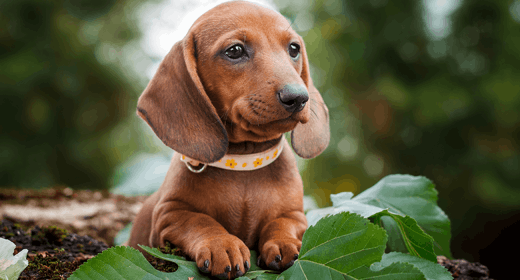
Small-breed dogs tend to have higher metabolism rates than their larger counterparts, which means they need a puppy feeding diet specifically designed for them. 'Small-breed dog food formulas are created to give your dog the right balance of nutrients,' says Debra Eldredge, DVM, a veterinarian in upstate New York and coauthor of The Dog Owner's Home Veterinary Handbook (Howell House). Here's what you need to know to feed your small-breed pooch.


Customize.

The guidelines on the package are a great starting point, Eldredge says, but 'you have to customize [them] for your dog.' For instance, her family has three dogs who all weigh almost the same. But, one is getting twice as much food as the other two, and she's thin. 'She just burns it up,' Eldredge says. Your dog's breed and activity levels will affect how much food she needs.


Get enough calories.

Small-breed puppies, especially toy breeds, can be prone to hypoglycemia. To keep your dog’s blood sugar levels up, you might have to feed her more frequently and up the calories, Eldredge says.


Monitor frequency.

Small-breed puppies grow quickly, so during the first six months, they need to eat more food and eat more frequently, generally three to four times a day. After six months, feeding two meals a day is usually sufficient. As your dog gets older and less active, her nutritional needs change, and she may need a formula for mature dogs. Her new food will generally have more protein and fewer calories.


Choose the right bite.

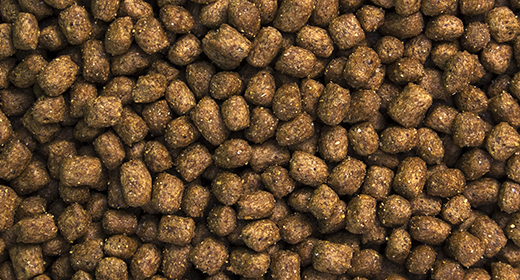
Smaller dogs have smaller mouths and teeth, so their food is usually made in a smaller bite size, which is easier for them to chew and swallow.


Establish mealtimes.

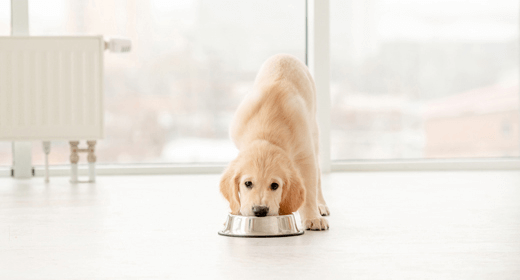
Don't leave your dog's food out all day. Instead, pick it up after 10 or 20 minutes, Eldredge says. If food is available all day, she may eat out of boredom. If food is available all day, she may eat out of boredom, which can lead in excessive weight gain.


Avoid table scraps.

With dog food, your pet is on a balanced diet. Feeding her human food may throw off that balance. The occasional taste of chicken or eggs is okay, but don't make it a daily habit. Just like small breed puppies, small breed dogs have different nutritional needs too. Read our article about nutrional needs of small breed dogs to know more!!


  • Is Your Puppy Ready for Adult Dog Food?
    Is Your Puppy Ready for Adult Dog Food?mob
    adp_description_block443
    Switching Your Puppy to Adult Dog Food

    • Share

    Picking the right food for your pup is key to ensuring its healthy growth. While both puppy food and adult dog food seem similar, they serve different nutritional purposes tailored to distinct life stages. Understanding this disparity is vital in guaranteeing the overall well-being of your beloved companion. 


    Feed puppy food until maturity

    Puppies are more than just mini versions of adult dogs. Their nutritional needs are unique and crucial for their growth spurt and cognitive development. Specifically designed with the perfect blend of proteins, fats, vitamins, and minerals, puppy food supports bone and muscle growth. With their endless energy, they need the extra calories that puppy food provides. Plus, the added dose of nutrients like calcium and phosphorus is essential for strong bone development. So, stick to puppy food until your furball hits full physical maturity, ensuring a strong and healthy foundation for their adult life.


    When to switch puppy to adult food

    When a puppy can eat adult dog food isn't a one-size-fits-all deal. It is a gradual process that demands attention to your dog's unique traits. Generally, it is wise to make the switch when your pooch is about 80-90% of its expected adult size. But remember, a sudden change can upset their tummy. 
     

    To ease the shift, start by mixing small portions of adult food with their usual puppy fare. Over a week or two, increase the adult food ratio until your dog is entirely comfortable with the new diet. Don't forget to consult your vet to ensure a smooth transition and a lifelong, balanced diet for your four-legged friend.


    When to switch from puppy to adult dog food for different breeds?

    When figuring out when to transfer to adult dog food, the size of your growing dog plays a crucial role. Given below is a comprehensive guide:

    • Small-sized dogs: Small breeds should transition to adult dog food at around 9 to 12 months of age or when they reach 90% of their expected adult weight.
    • Medium-sized dogs: Medium-sized breeds should switch to adult dog food around 12 months of age when they are close to their full-grown size.
    • Large-sized dogs: Large breeds should transition to adult dog food at approximately 12 to 18 months of age due to their longer growth period.

    At IAMS, we offer a range of adult dog food that are rich in nutrients like protein, vitamins, minerals and more to provide your pooch with a complete and balanced meal. We have specialised recipes for each breed, targeting the specific nutritional needs of small, medium, and large sized dogs.


    Why adult dog food is important

    As your canine companion transitions from the puppy stage to adulthood, providing it with an appropriate diet becomes crucial for its long-term health and well-being. Adult dog food serves as a vital component in ensuring that your dog receives the necessary nutrients to maintain optimal health and vitality. Here are some key reasons why adult dog food is essential for your furry friend's overall wellness:

    • Tailored nutrition: Adult dog food is like a tailored suit, designed specifically for your dog's needs as it matures. Packed with the right blend of proteins, carbs, vitamins, and minerals, it fuels energy, maintains muscle strength, and keeps your dog bound with vitality.
    • Weight watch: Keeping your dog at a healthy weight is vital for their overall well-being. Adult dog food helps manage their calorie intake, ensuring they stay fit and agile. No more worrying about extra pounds leading to joint issues or other health complications.
    • Happy tummies: Adult dog food often includes easily digestible ingredients, making mealtime a treat for your dog’s tummy. Adding dietary fibres keeps digestion smooth sailing for dogs, preventing any unpleasant tummy troubles.
    • Wellness booster: Packed with antioxidants and omega fatty acids, adult dog food boosts dogs’ immune systems and keeps their skin healthy, and their coats shiny. It is like a daily dose of preventive care for a longer and happier life.

    So, as your dog grows, make sure its diet grows as well. With the right adult dog food, tailored to its needs, you are laying the foundation for a life full of tail wags and playful barks.


    How to transition from puppy to adult dog food?

    Transitioning your furry friend from puppy to adult dog food is not just about changing what is in the bowl; it is a gradual adjustment that involves considering evolving nutritional needs, portion sizes, meal frequencies, and more. Here is a structured guide to help you ease your pup into their new diet over a 10-day period:

    1. Day 1-2:

    Start by mixing 75% of the puppy food with 25% of the new adult dog food. This allows your pup to get accustomed to the new flavours and textures while maintaining some familiarity with the old food.

    1. Days 3-4:

    Increase the proportion of adult dog food to 50% while decreasing the puppy food to 50%. This step continues the gradual transition, helping your dog's digestive system adapt to the new food without causing any sudden upsets.

    1. Days 5-7:

    Continue the transition by serving 75% of the new adult dog food mixed with 25% of the remaining puppy food. This step allows their taste buds to fully adjust to the new diet while ensuring a smooth transition without any digestive disturbances.

    1. Days 8-10:

    By this point, your pup should be ready to completely switch to adult dog food. Serve only the new adult dog food, ensuring that the portion size is appropriate for its age, size, and activity level. Maintain the recommended feeding schedule based on specific dietary needs.
     

    Throughout the transition period, closely monitor your dog's eating habits, energy levels, and overall well-being. If you notice any digestive issues or reluctance to eat, slow down the process and give it more time to adjust. Providing plenty of fresh water and sticking to a consistent feeding schedule will help make the transition as smooth as possible for your beloved canine companion.
     

    Remember, a smooth transition from puppy to adult dog food is all about taking it slow and steady. By gradually introducing the new food over a 10-day period, you give your pup's digestive system the time it needs to adjust without causing any discomfort. Keep a close eye on its response throughout the process, and do not hesitate to make adjustments if necessary. With patience and careful monitoring, you can ensure that your loyal companion makes a seamless shift to their new, adult-dog-friendly diet. 

Close modal