Enter a keyword below to search for articles and products.
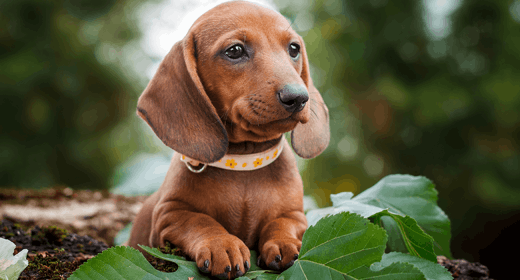
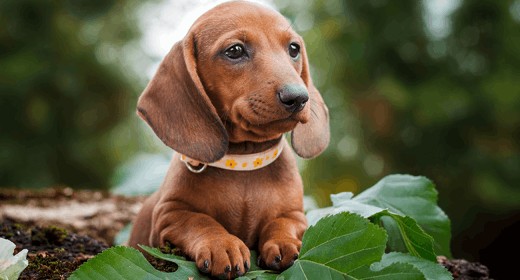
Small-breed dogs tend to have higher metabolism rates than their larger counterparts, which means they need a puppy feeding diet specifically designed for them. 'Small-breed dog food formulas are created to give your dog the right balance of nutrients,' says Debra Eldredge, DVM, a veterinarian in upstate New York and coauthor of The Dog Owner's Home Veterinary Handbook (Howell House). Here's what you need to know to feed your small-breed pooch.
The guidelines on the package are a great starting point, Eldredge says, but 'you have to customize [them] for your dog.' For instance, her family has three dogs who all weigh almost the same. But, one is getting twice as much food as the other two, and she's thin. 'She just burns it up,' Eldredge says. Your dog's breed and activity levels will affect how much food she needs.
Small-breed puppies, especially toy breeds, can be prone to hypoglycemia. To keep your dog’s blood sugar levels up, you might have to feed her more frequently and up the calories, Eldredge says.
Small-breed puppies grow quickly, so during the first six months, they need to eat more food and eat more frequently, generally three to four times a day. After six months, feeding two meals a day is usually sufficient. As your dog gets older and less active, her nutritional needs change, and she may need a formula for mature dogs. Her new food will generally have more protein and fewer calories.
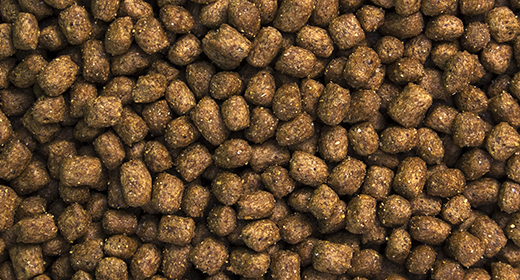
Smaller dogs have smaller mouths and teeth, so their food is usually made in a smaller bite size, which is easier for them to chew and swallow.
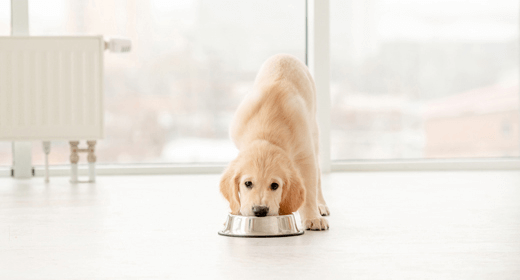
Don't leave your dog's food out all day. Instead, pick it up after 10 or 20 minutes, Eldredge says. If food is available all day, she may eat out of boredom. If food is available all day, she may eat out of boredom, which can lead in excessive weight gain.
With dog food, your pet is on a balanced diet. Feeding her human food may throw off that balance. The occasional taste of chicken or eggs is okay, but don't make it a daily habit. Just like small breed puppies, small breed dogs have different nutritional needs too. Read our article about nutrional needs of small breed dogs to know more!!
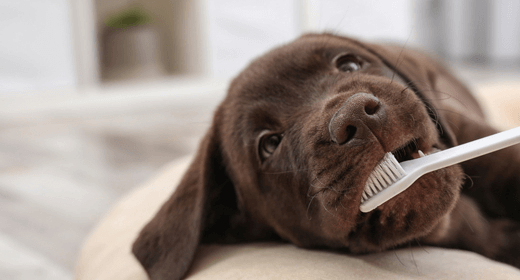
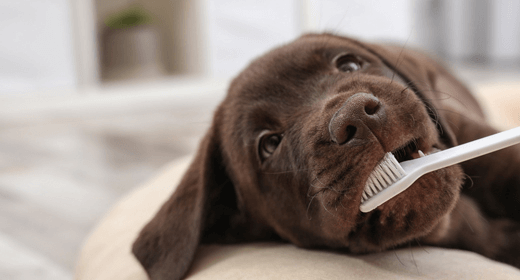
Puppies grow quickly and have special nutritional needs to keep their bodies strong. The most noticeable period of a pup’s growth phase is known as the rapid growth stage, which occurs between 2 and 6 months of age. From about 3 to 6 months, most pups will lose their puppy teeth. In fact, you might find a tooth near the feeding dish or on the floor, and this is quite normal. However, you may also be left wondering what to feed a teething puppy. This is a perfectly normal query that tends to concern a lot of pet parents.
During the teething phase, the young pup’s mouth and gums may be very sensitive, which could cause them to be a bit picky when it comes to eating. There's nothing you can do except to wait it out, even if their appetite is low for a couple of days.
While teething is painful for puppies, there are a few tips for teething puppy that can make them feel better. Here is a quick guide for you on what to give a teething puppy in terms of food and toys:
Your puppy may seem uninterested in dry food during teething. But don't switch to a new formula to stimulate your puppy's appetite. Changing food at this time can cause additional stress and intestinal upset. The tips below could help your puppy make the change:
Encourage your young dog to chew on toys by choosing chew toys that are appropriate for their size. Also, pick a variety of textures to keep them interested in the toys. You can also try giving them frozen toys that are shaped like a bone. Always keep an eye on the puppies while they are busy chewing the toys, to ensure they don’t bite off chunks. If that happens, do make sure to replace the toy immediately.
You can also give your puppy a clean and damp washcloth, chilled for a few hours. Chewing on this will also provide some much-needed relief. Do ensure that you supervise the puppy while they are chewing on this cloth so that they don’t ingest any sections of it.
Teething is a painful process for the puppies and can cause just as much inconvenience to the owners. Your puppy may lose their appetite and may experience a lot of pain and discomfort. But it is essential to get them through it all while also maintaining their diet. You can consult your vet for any major decisions or choices you make for your puppy during this time - the choice of toys, food, and other soothing methods. You will also have to keep constant vigilance to prevent your little companion from chewing on anything that may harm them, like shoes or the couch. These six months of the teething period may be hard, but you will certainly enjoy seeing them grow through this phase.
In addition to teething, ensuring excellent dental care for your dogs or puppies is of utmost importance. Discover our captivating blog post on dog dental care, and unlock a world of techniques to keep those pearly whites shining bright!