IAMS MY
Small-breed Mature or Senior Dog’s Nutritional Needs

adp_description_block156
Small-breed Mature or Senior Dog’s Nutritional Needs

  • Share

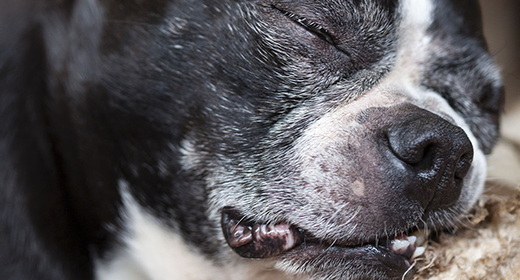
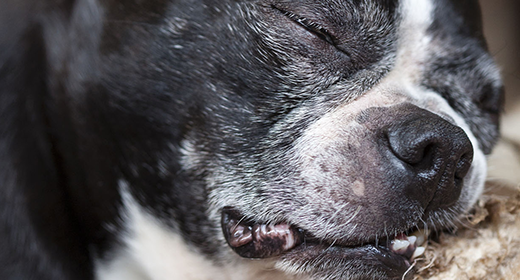
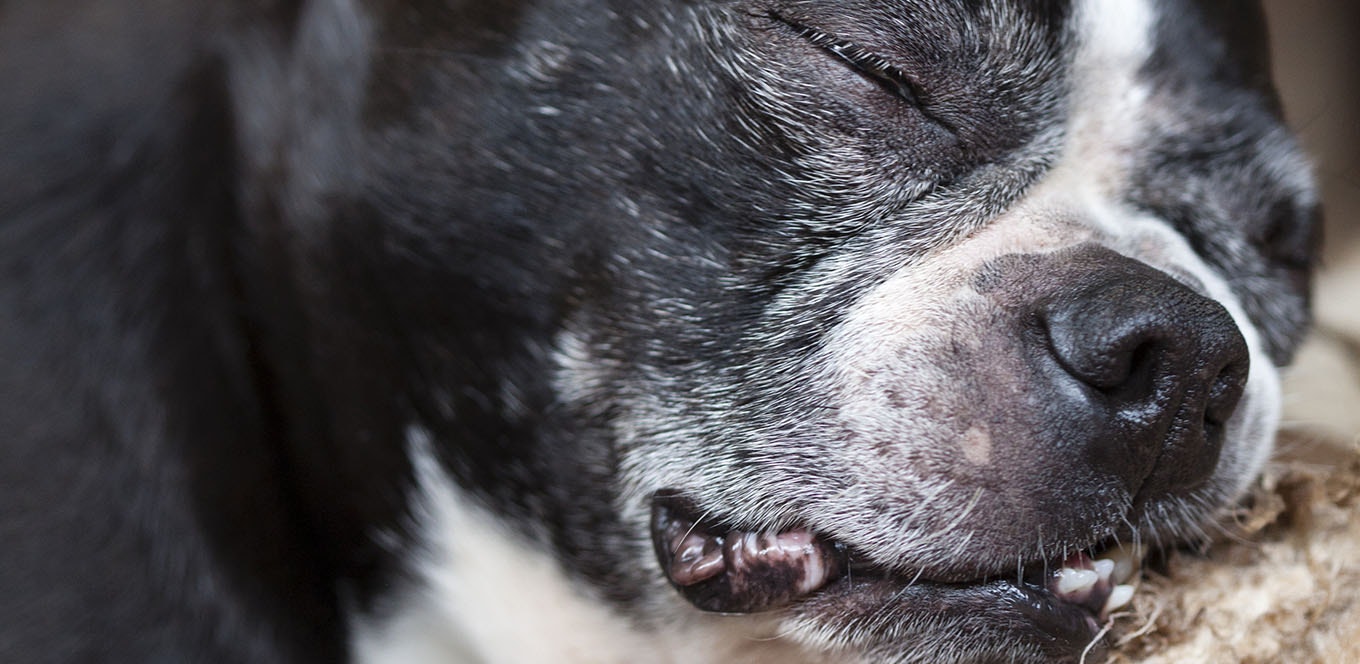
Unlike larger-breed dogs that are considered mature or senior at age 5, small-breed dogs usually don’t experience age-related changes as early. But by age 7, your small dog is mature or senior, and his nutritional requirements are changing. You can help keep your dog active, happy and healthy with a specially formulated mature diet that delivers highly digestible, enhanced nutrition.


The Signs of Aging in Small-breed Dogs

The changes your small dog is going through affect him in many ways. You may notice a dull, dry coat and flaky skin, energy loss or weight gain, more frequent intestinal problems, joint stiffness and a loss of lean muscle mass. It’s true that an aging dog may require fewer calories, but your mature or senior dog still needs high-quality protein and carefully balanced nutrients.


What to Look for in Mature or Senior Small-breed Dog Food

What your dog needs is a high-quality, balanced maintenance food formulated for a small dog’s changing metabolism. Look for options with these age-essential nutrients:

  • Antioxidants such as vitamin E and beta-carotene to help boost the immune system
  • High-quality animal-based protein sources to help maintain muscle mass
  • Special fiber sources such as beet pulp to help maintain intestinal health and support your dog’s ability to absorb age-essential nutrients
  • A special carbohydrate blend of healthy grains for sustained energy

These ingredients are the keys to mature nutrition whether you feed dry or wet dog food or give your dog treats.

Additionally, small dogs have small mouths and small stomachs. A nutrient-dense mature formula with smaller kibble may help make food easier for your dog to chew.


Special Needs of Mature or Senior Small-breed Dogs

Older, less-active dogs are prone to weight gain. Keeping your dog at a healthy weight can help minimize the risk of developing diabetes or joint stress. Your dog can benefit from a weight-control diet with these key ingredients:

  • A reduced fat level that still offers essential nutrients for skin and coat health
  • L-carnitine, a key nutrient that helps burn fat during weight loss
  • Special carbohydrate blends that help maintain energy while managing weight

While your mature or senior dog’s nutritional needs may be changing, that doesn’t mean he doesn’t have many active, happy years ahead. Make sure your dog can make the most of them by feeding him a proper diet designed for mature small-breed dogs.
Small-breed Mature or Senior Dog’s Nutritional Needs
article Small-breed Mature or Senior Dog’s Nutritional Needs
  • Is Your Dog Panting a Lot? Understanding When It's Normal and When to Worry
    Is Your Dog Panting a Lot? Understanding When It's Normal and When to Worry
    adp_description_block426
    Is Your Dog Panting a Lot? Understanding When It's Normal and When to Worry

    • Share

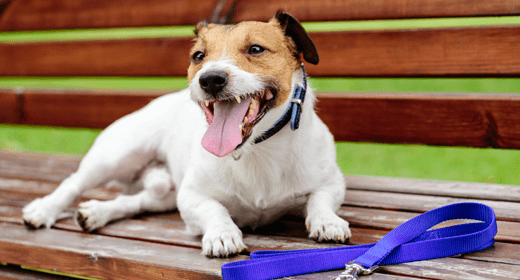
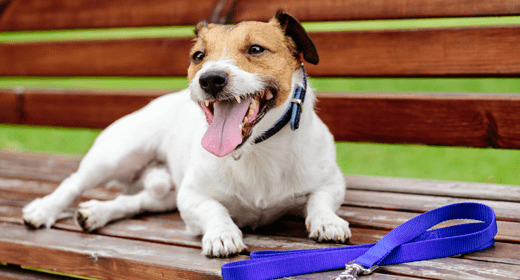
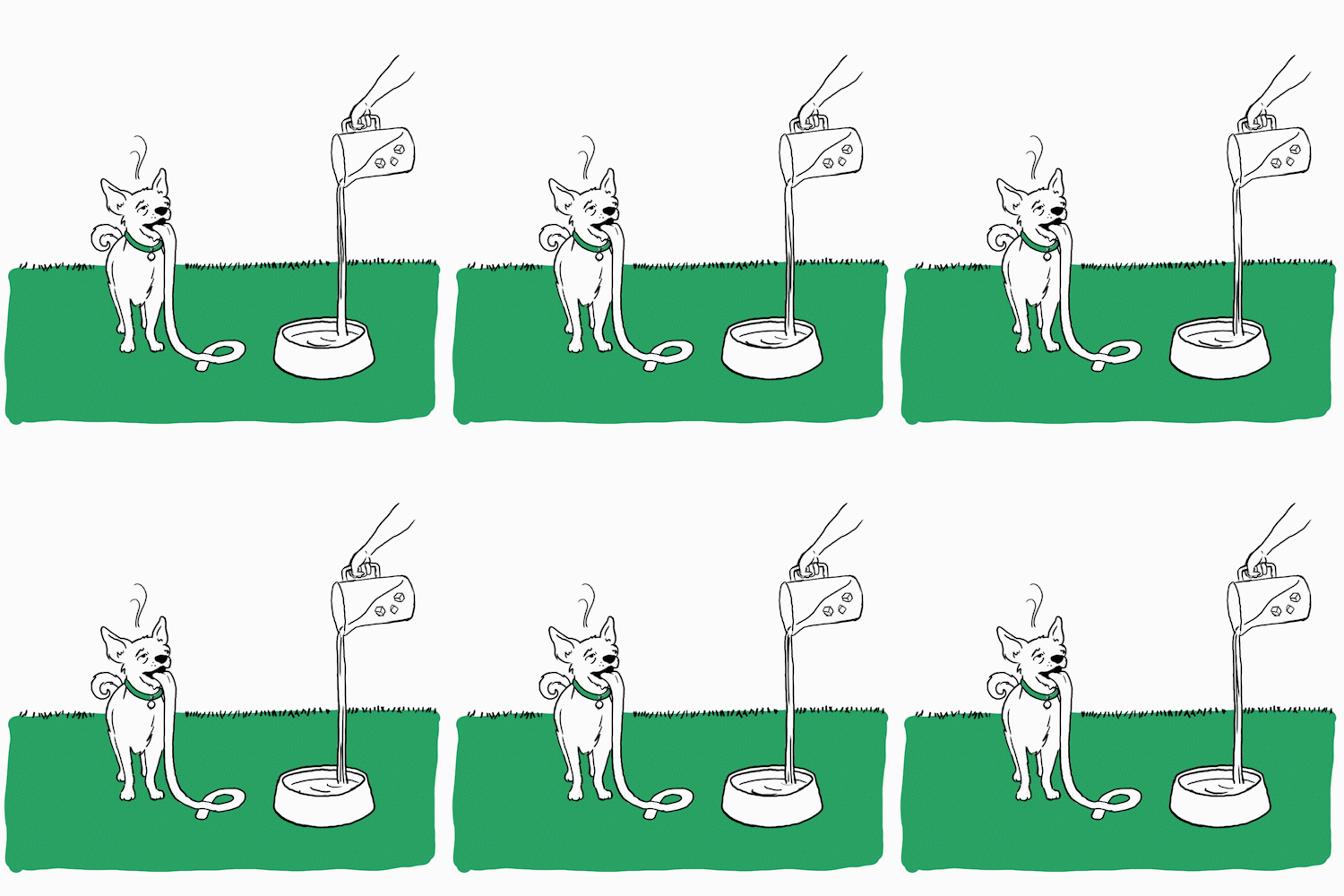
    We all adore the sight of our furry friends panting, tongues lolling out in playful exhaustion after a spirited game of fetch or on a warm, sunny afternoon. But have you ever stopped to wonder about the deeper meaning behind this seemingly simple act? What does it tell us about our dog's health and well-being?
     

    While we may find dog panting endearing, it serves a far more crucial purpose than just a cute quirk. Panting is an essential element of canine physiology, playing a vital role in regulating body temperature and communicating emotional states. Knowing the different types of dog panting and their underlying causes can be crucial in providing the best care for our beloved companions.
     

    Understanding your dog's panting

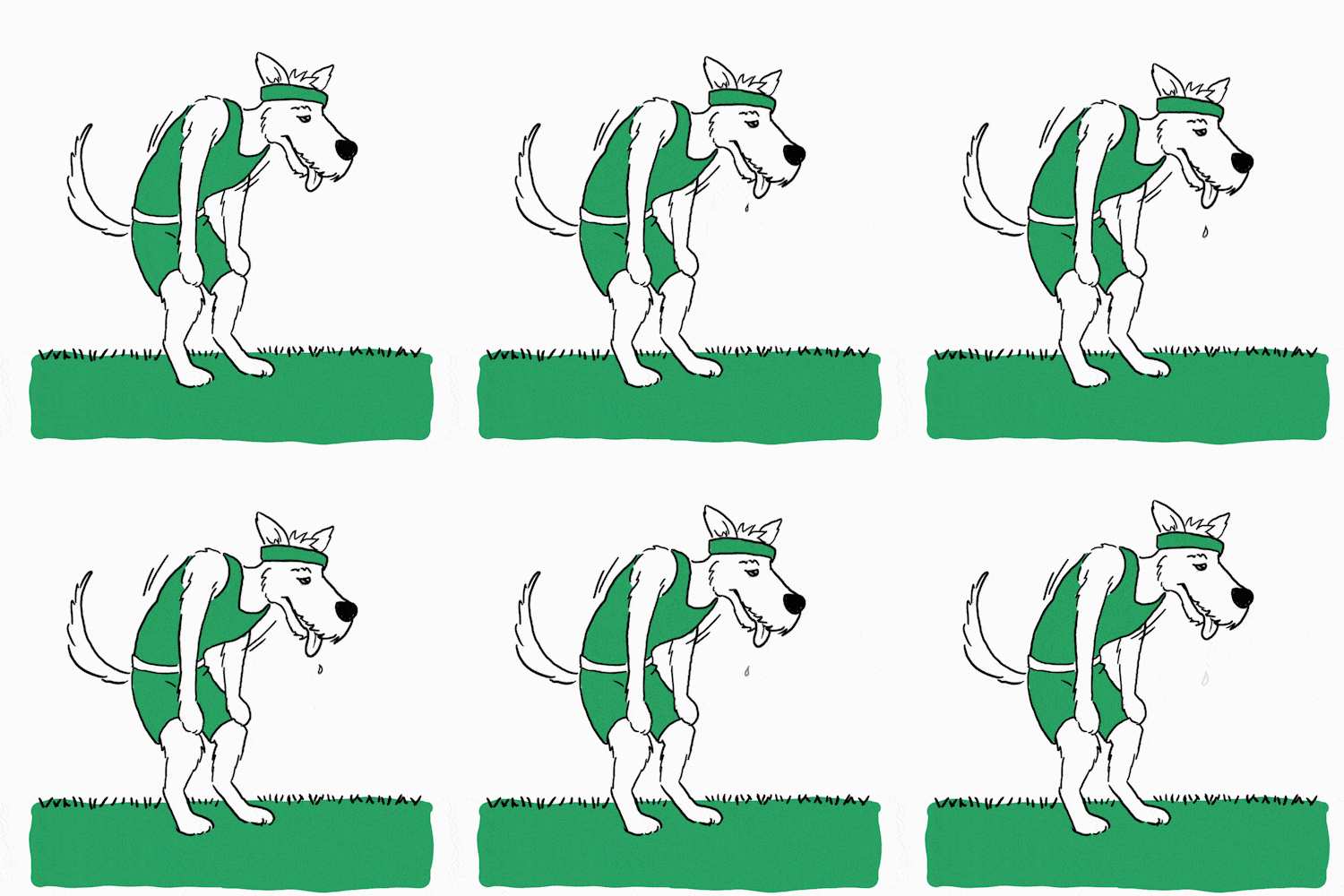
    Dogs pant to regulate their body temperature, a mechanism similar to how humans sweat. While some panting is normal, excessive or unusual panting can be a sign of an underlying health issue.
     

    Normal panting:

    • Frequency: At rest, a healthy dog typically takes about 15 to 35 breaths per minute.
    • Intensity: The panting should be shallow and quiet, with minimal tongue lolling.
    • Context: Panting is expected after exercise, play, excitement, or in hot weather.
    • Duration: Once the cause of the panting is addressed (e.g., they cool down or calm down), the panting should subside.

    Concerning panting:

    • Excessive: If your dog is breathing fast i.e., 40 breaths per minute at rest or even when slightly active, it's a red flag.
    • Heavy: When the dog is breathing heavy, the panting is deep and laboured, with pronounced tongue lolling and drooling.
    • Unusual: Panting occurs in situations where it doesn't usually happen, such as when your dog is relaxed in a cool environment.
    • Persistent: The panting doesn't subside despite addressing the possible causes, or it's accompanied by other symptoms like lethargy, vomiting, or loss of appetite.

    Causes of dog panting

    Understanding why your dog pants is crucial for their health and well-being. While we've previously discussed how panting is their primary cooling mechanism, there's more to the story than just regulating body temperature.
     

    Physical reasons for panting

    • Heat regulation: As mentioned, panting helps dogs cool down after exercise, play, or during hot weather. By evaporating moisture from their tongue and respiratory tract, they bring their internal temperature back to a comfortable level.
    • Pain or discomfort: Excessive panting can be a sign of pain or discomfort due to an injury, illness, or other medical condition. Pain elevates heart rate and body temperature, triggering the panting reflex.
    • Respiratory issues: Allergies, asthma, kennel cough, and other respiratory conditions can make it difficult for your dog to breathe, leading to increased panting as they strive for more oxygen.

    Emotional reasons for panting:

    • Excitement: When your dog is excited, their heart rate and breathing increase naturally. This manifests as panting, especially during playtime, greetings, or anticipation of a favourite activity.
    • Stress or anxiety: Dogs experience stress and anxiety in various situations, leading to panting as a coping mechanism. Be aware of other behavioural changes like pacing, drooling, or tail tucking.
    • Fear or phobias: Loud noises, thunderstorms, and unfamiliar environments can trigger fear or phobias, leading to excessive panting, trembling, and attempts to hide.

    What should you do when your dog is breathing heavy?

    Seeing your beloved furry friend struggling to breathe can be a harrowing experience. But before jumping to conclusions, it's important to stay calm and assess the situation. Here's what you can do when your dog is panting heavily:
     

    Analyse the environment:

    • Recent activities: Have they been engaging in strenuous activity like playing fetch, running, or intense exercise?
    • Temperature and climate: Is it a hot day? Are they exposed to direct sunlight?
    • Stressful environment: Are there loud noises, unfamiliar people, or other factors that might be causing anxiety?

    If any of these factors are present, the panting is likely a normal physiological response to regulate their body temperature or manage stress. In this case, simply provide your dog with a cool, quiet space, offer fresh water, and allow them to rest.
     

    Observe your dog's behaviour:

    • Intensity: Is the panting shallow and quiet, or is it deep and laboured?
    • Frequency: How many breaths are they taking per minute?
    • Tongue lolling: Are they lolling their tongue excessively and drooling?
    • Additional symptoms: Are there any other concerning signs like lethargy, vomiting, or loss of appetite?

    Pay close attention to any deviations from their normal breathing patterns. Excessive panting in dogs, especially at rest or in a cool environment, may indicate an underlying medical condition and warrants further investigation.
     

    Provide comfort and hydration:

    • Cool down: Move your dog to a cooler area with shade and good air circulation.
    • Fresh water: Ensure they have access to clean, fresh water at all times.
    • Calm environment: Create a quiet and comfortable space where they can relax without distractions.

    These initial steps can help alleviate panting caused by heat or stress.
     

    When to see a vet for your dog's panting?

    While dogs naturally pant for various reasons, like regulating their body temperature or expressing excitement, excessive or unusual panting can be a sign of an underlying health issue. Knowing when to seek veterinary attention is crucial to ensure your furry friend's well-being.
     

    Here's when you should be concerned about your dog's panting:

    • Accompanying symptoms: If your dog's panting is accompanied by other concerning symptoms like lethargy, loss of appetite, vomiting, diarrhoea, coughing, pale gums, excessive drooling, weakness, or unusual behaviour, prompt veterinary attention is essential.
    • Excessive panting: If your dog's panting is deep, laboured, and accompanied by exaggerated tongue lolling, it could indicate a serious medical condition. Don't delay seeking professional help.
    • Continuous panting: Panting that persists even when your dog is at rest, in a cool environment, or after addressing the initial cause (e.g., exercise, heat) requires veterinary evaluation.
    • Unrelenting panting: If the panting doesn't subside within a reasonable timeframe or even worsens despite your efforts to provide comfort and address environmental factors, it's crucial to seek professional advice.

    Panting is a natural and essential part of a dog's physiology, but it's crucial to differentiate between normal panting and signs of distress. By understanding the reasons behind your dog's panting and knowing when to seek help, you can ensure they live a happy, healthy life.
    Why Do Dogs Pant?
    Why Do Dogs Pant?
    Why Do Dogs Pant?
Close modal