Enter a keyword below to search for articles and products.
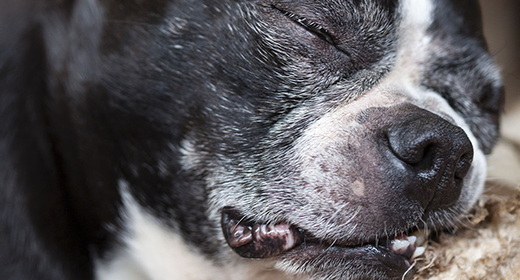
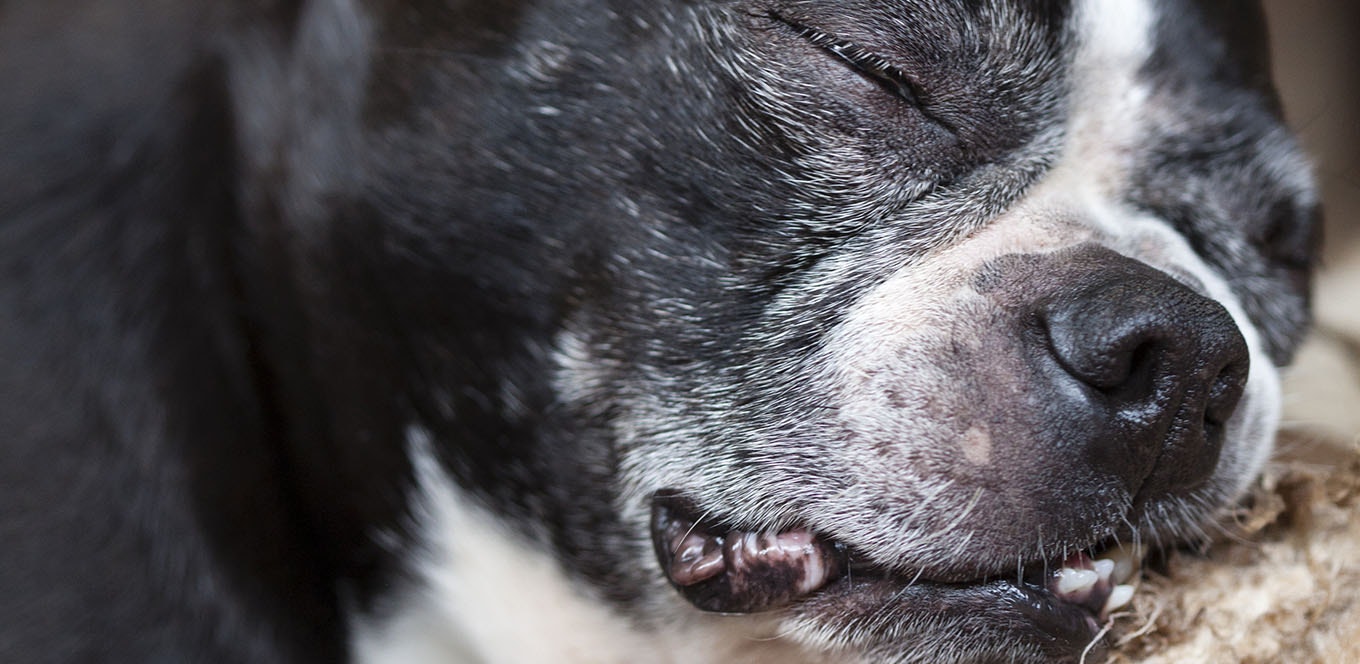
Unlike larger-breed dogs that are considered mature or senior at age 5, small-breed dogs usually don’t experience age-related changes as early. But by age 7, your small dog is mature or senior, and his nutritional requirements are changing. You can help keep your dog active, happy and healthy with a specially formulated mature diet that delivers highly digestible, enhanced nutrition.
The changes your small dog is going through affect him in many ways. You may notice a dull, dry coat and flaky skin, energy loss or weight gain, more frequent intestinal problems, joint stiffness and a loss of lean muscle mass. It’s true that an aging dog may require fewer calories, but your mature or senior dog still needs high-quality protein and carefully balanced nutrients.
What your dog needs is a high-quality, balanced maintenance food formulated for a small dog’s changing metabolism. Look for options with these age-essential nutrients:
These ingredients are the keys to mature nutrition whether you feed dry or wet dog food or give your dog treats.
Additionally, small dogs have small mouths and small stomachs. A nutrient-dense mature formula with smaller kibble may help make food easier for your dog to chew.
Older, less-active dogs are prone to weight gain. Keeping your dog at a healthy weight can help minimize the risk of developing diabetes or joint stress. Your dog can benefit from a weight-control diet with these key ingredients:
While your mature or senior dog’s nutritional needs may be changing, that doesn’t mean he doesn’t have many active, happy years ahead. Make sure your dog can make the most of them by feeding him a proper diet designed for mature small-breed dogs.
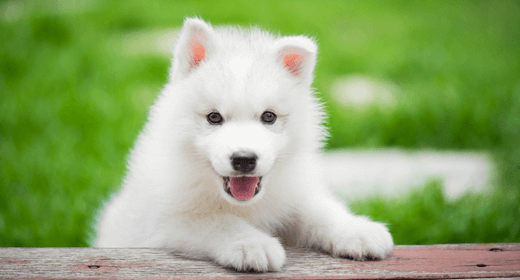
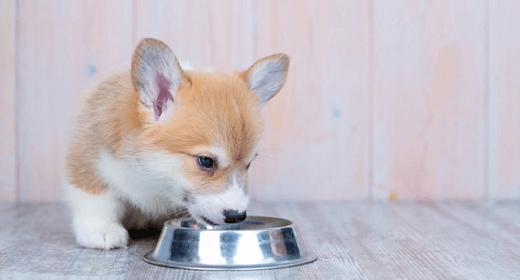
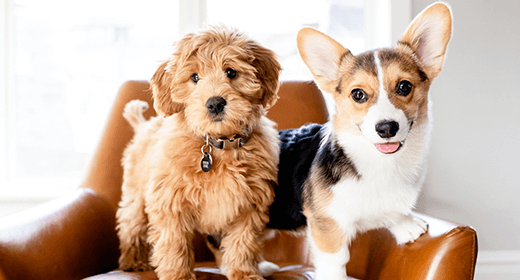
Puppies like human babies need additional love, care, and support in their growing age. The first month of a new puppy is critical as it needs the best healthcare, nutrition, and love to grow into a healthy and cheerful dog. Puppy health becomes the primary responsibility of pet parents during this stage. They must ensure preventive care and medical support alongside providing proper nourishment. To know more about the puppy health checklist, read the following.
Maintaining puppy health is the foremost important duty of every pet parent. Consulting a vet, vaccinating, neutering, and availing regular healthcare check-ups are a few duties of puppy caregivers. Similarly, other puppy preventive care includes:
Medical and preventive care is extremely necessary for puppies. Younger puppies are too small to understand what is good or bad for them. Besides, they are also very curious, playful, and energetic during their initial years. This playful and curious nature can sometimes lead to harmful situations.
Puppies often play and munch on random objects, which can sometimes result in toxication. In fact, accidents are also common in puppies as they lack cognitive skills to measure the consequences of their action. Hence, pet parents should pay more attention to their puppy’s growth and development. Some essential puppy health recommendations are as mentioned:
Apart following puppy health checklist, pet parents also need to ensure their fur baby is provided with other basic facilities for their overall growth and development. Training and socializing are as important as providing the best healthcare.
Besides, potty training and command training establishes hygiene and good behavior in them from a young age. To conclude, puppy health, fitness, and training are some of the most essential aspects for the overall growth and development of puppies.