Enter a keyword below to search for articles and products.


Not all small dogs have the same nutritional needs. Giving your dog a food specially formulated for her size and activity level is the easiest way to make sure you’re providing complete and balanced nutrition. Here’s how to provide the right nutrition for your small dog.
Small adult dogs require a food that offers complete nutrients essential for health and vitality. Here’s what to look for:
These ingredients are the keys to nutrition whether you feed dry or wet dog food or give your dog treats.
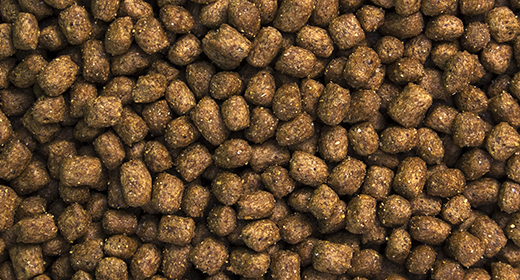
Small dogs have small mouths and stomachs. You may want to feed your dog a formula with a small bite size for easy chewing. A nutrient-dense food will help make sure she’s absorbing essential nutrients even though her stomach can only accommodate what seems like a small volume of food.
When choosing a food for your small-breed dog, also ask:
Special conditions like these dramatically affect your dog’s nutritional demands.
Less-active dogs and dogs who have been neutered or spayed are prone to weight gain. Controlling your dog’s weight is an important step toward protecting against complications of excess weight, such as diabetes or joint health problems. If you use a weight-control food, look for these ingredients:
Starting in the seventh week of her pregnancy, a mother dog will need to increase her energy intake up to 50% by the time she gives birth and increase it even more when she starts nursing her puppies. Because she may lose her appetite at times, it’s important that she eats a nutrient-dense food. A complete, balanced small-breed puppy formula can give her the extra nutrients she needs.
Unlike larger dogs that are considered mature at age 5, your small dog can remain on an adult diet until age 7. In fact, small-breed dogs tend to live longer and don’t experience age-related changes as early as bigger dogs. However, it is important to make a proactive transition to a specially formulated mature diet, such as IAMS™ ProActive Health™ Mature Adult Small & Toy Breed, so you can help keep your dog healthy and active for years to come.


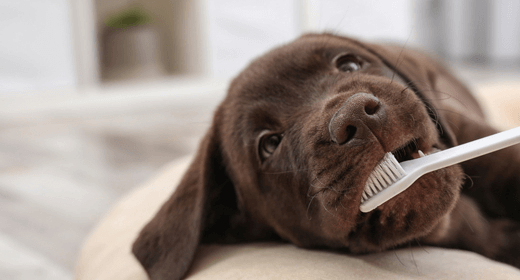
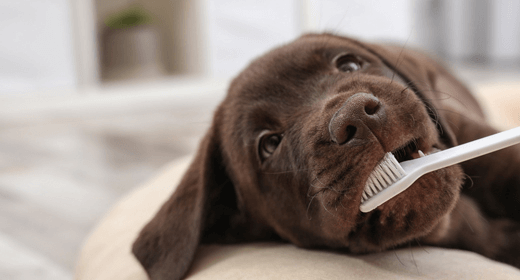
Puppies grow quickly and have special nutritional needs to keep their bodies strong. The most noticeable period of a pup’s growth phase is known as the rapid growth stage, which occurs between 2 and 6 months of age. From about 3 to 6 months, most pups will lose their puppy teeth. In fact, you might find a tooth near the feeding dish or on the floor, and this is quite normal. However, you may also be left wondering what to feed a teething puppy. This is a perfectly normal query that tends to concern a lot of pet parents.
During the teething phase, the young pup’s mouth and gums may be very sensitive, which could cause them to be a bit picky when it comes to eating. There's nothing you can do except to wait it out, even if their appetite is low for a couple of days.
While teething is painful for puppies, there are a few tips for teething puppy that can make them feel better. Here is a quick guide for you on what to give a teething puppy in terms of food and toys:
Your puppy may seem uninterested in dry food during teething. But don't switch to a new formula to stimulate your puppy's appetite. Changing food at this time can cause additional stress and intestinal upset. The tips below could help your puppy make the change:
Encourage your young dog to chew on toys by choosing chew toys that are appropriate for their size. Also, pick a variety of textures to keep them interested in the toys. You can also try giving them frozen toys that are shaped like a bone. Always keep an eye on the puppies while they are busy chewing the toys, to ensure they don’t bite off chunks. If that happens, do make sure to replace the toy immediately.
You can also give your puppy a clean and damp washcloth, chilled for a few hours. Chewing on this will also provide some much-needed relief. Do ensure that you supervise the puppy while they are chewing on this cloth so that they don’t ingest any sections of it.
Teething is a painful process for the puppies and can cause just as much inconvenience to the owners. Your puppy may lose their appetite and may experience a lot of pain and discomfort. But it is essential to get them through it all while also maintaining their diet. You can consult your vet for any major decisions or choices you make for your puppy during this time - the choice of toys, food, and other soothing methods. You will also have to keep constant vigilance to prevent your little companion from chewing on anything that may harm them, like shoes or the couch. These six months of the teething period may be hard, but you will certainly enjoy seeing them grow through this phase.
In addition to teething, ensuring excellent dental care for your dogs or puppies is of utmost importance. Discover our captivating blog post on dog dental care, and unlock a world of techniques to keep those pearly whites shining bright!