Enter a keyword below to search for articles and products.
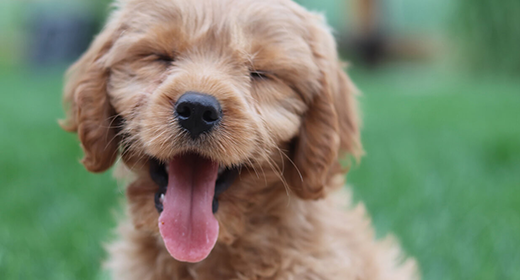
Keeping your puppy’s skin and coat healthy is as easy as 1-2-omega-3. Feeding studies have shown that dogs thrive on high-quality animal proteins from chicken, fish, lamb and eggs. IAMS™ ProActive Health™ Smart Puppy Original and other IAMS formulas are made with these highly digestible proteins, which promote excellent skin and coat condition and enhance your dog’s overall health and well-being. When your dog’s coat looks good, the rest of his body will likely be well nourished, too.
Learn more about two important nutrients that can maintain your puppy’s skin and coat health.
Fat plays a key role in keeping your puppy’s skin and coat in top condition. Fat not only provides energy, but it’s also a source of essential fatty acids that are necessary for the skin’s healthy structure. Fatty acids in the diet keep the skin moist and supple. They also contribute to a thick, lustrous and healthy coat. The lack of or imbalance of fatty acids can cause dry, scaly skin and brittle hair. A diet with vitamin-rich fish oils is vital to your puppy’s coat health and appearance.
Although there are many kinds of fatty acids, a few are important to coat health and appearance:
An appropriate balance of omega-6 and omega-3 fatty acids helps maintain your dog’s healthy skin and coat. An optimal range of omega-6 to omega-3 fatty-acid ratios is between 5:1 and 10:1 to enhance skin and coat quality and help nutritionally manage skin and coat conditions.
DHA (docosahexaenoic acid) is a key nutrient found naturally in breast milk and is important for a baby’s neural development. And just like a baby, a puppy’s ability to learn depends on healthy brain development.
At 6 weeks, a puppy's brain mass is approximately 70% developed. At this stage and in the months ahead, feeding your puppy a diet rich in DHA can help support neural development. There are many such benefits of DHA in puppies. Premium puppy foods such as IAMS™ ProActive Health™ Mother and Baby Dog provide DHA in their formulas.
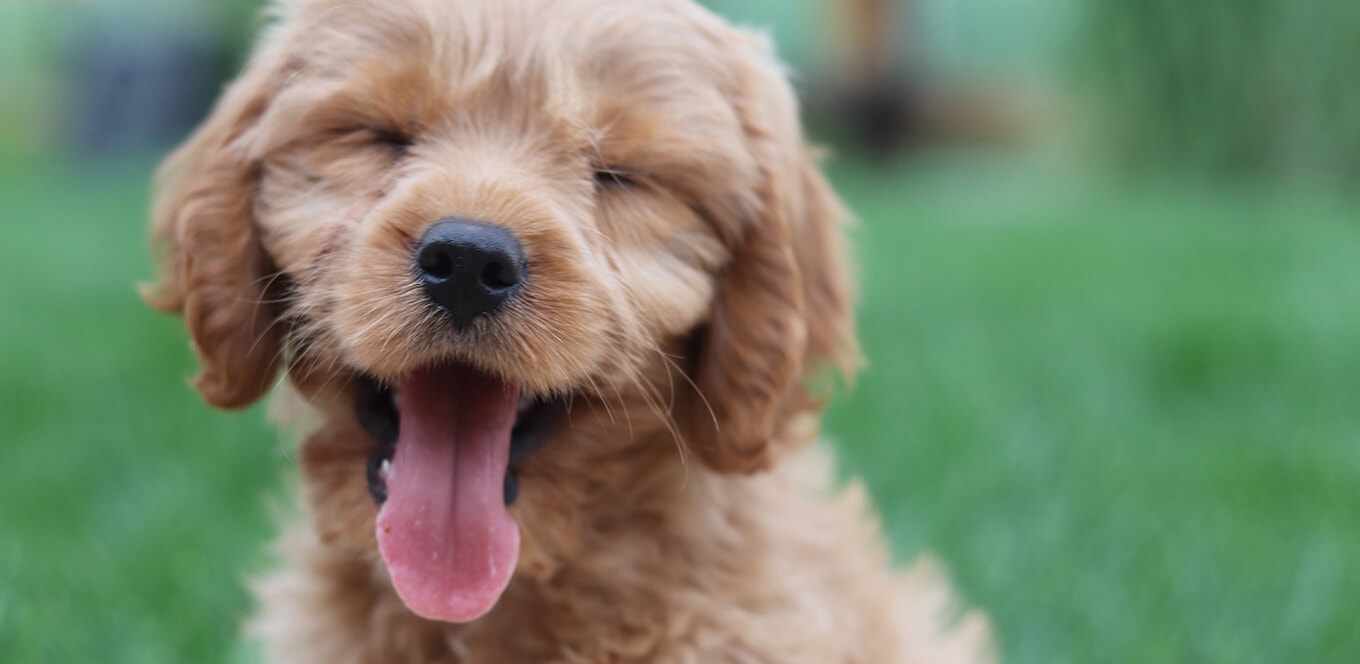
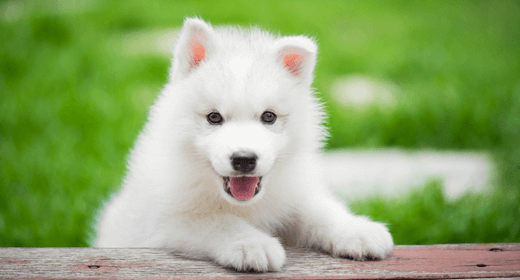
Puppies like human babies need additional love, care, and support in their growing age. The first month of a new puppy is critical as it needs the best healthcare, nutrition, and love to grow into a healthy and cheerful dog. Puppy health becomes the primary responsibility of pet parents during this stage. They must ensure preventive care and medical support alongside providing proper nourishment. To know more about the puppy health checklist, read the following.
Maintaining puppy health is the foremost important duty of every pet parent. Consulting a vet, vaccinating, neutering, and availing regular healthcare check-ups are a few duties of puppy caregivers. Similarly, other puppy preventive care includes:
Medical and preventive care is extremely necessary for puppies. Younger puppies are too small to understand what is good or bad for them. Besides, they are also very curious, playful, and energetic during their initial years. This playful and curious nature can sometimes lead to harmful situations.
Puppies often play and munch on random objects, which can sometimes result in toxication. In fact, accidents are also common in puppies as they lack cognitive skills to measure the consequences of their action. Hence, pet parents should pay more attention to their puppy’s growth and development. Some essential puppy health recommendations are as mentioned:
Apart following puppy health checklist, pet parents also need to ensure their fur baby is provided with other basic facilities for their overall growth and development. Training and socializing are as important as providing the best healthcare.
Besides, potty training and command training establishes hygiene and good behavior in them from a young age. To conclude, puppy health, fitness, and training are some of the most essential aspects for the overall growth and development of puppies.