Enter a keyword below to search for articles and products.
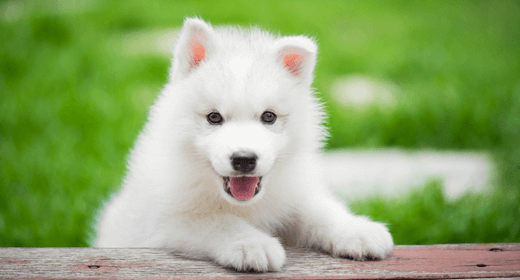
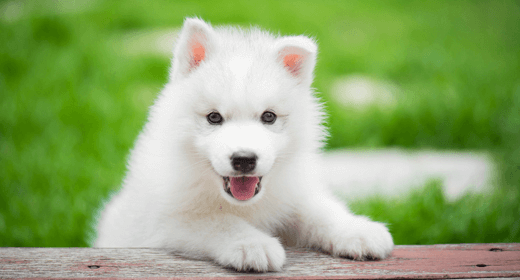
Puppies like human babies need additional love, care, and support in their growing age. The first month of a new puppy is critical as it needs the best healthcare, nutrition, and love to grow into a healthy and cheerful dog. Puppy health becomes the primary responsibility of pet parents during this stage. They must ensure preventive care and medical support alongside providing proper nourishment. To know more about the puppy health checklist, read the following.
Maintaining puppy health is the foremost important duty of every pet parent. Consulting a vet, vaccinating, neutering, and availing regular healthcare check-ups are a few duties of puppy caregivers. Similarly, other puppy preventive care includes:
Medical and preventive care is extremely necessary for puppies. Younger puppies are too small to understand what is good or bad for them. Besides, they are also very curious, playful, and energetic during their initial years. This playful and curious nature can sometimes lead to harmful situations.
Puppies often play and munch on random objects, which can sometimes result in toxication. In fact, accidents are also common in puppies as they lack cognitive skills to measure the consequences of their action. Hence, pet parents should pay more attention to their puppy’s growth and development. Some essential puppy health recommendations are as mentioned:
Apart following puppy health checklist, pet parents also need to ensure their fur baby is provided with other basic facilities for their overall growth and development. Training and socializing are as important as providing the best healthcare.
Besides, potty training and command training establishes hygiene and good behavior in them from a young age. To conclude, puppy health, fitness, and training are some of the most essential aspects for the overall growth and development of puppies.
Observe the puppy daily to look for signs of discomfort, illness, and abnormalities. If you notice a major shift in the puppy’s mood or changes in physical attributions, stool, fur, and other attributes, then consult a vet at the earliest. However, if everything looks and feels normal then you have a healthy puppy.
Soft and shiny fur, clean ear, bright eyes, a clear nose, and a playful mood are some essential signs of a healthy puppy.
Diarrhea, vomiting, itching, whimpering, and loss of energy are some signs of a sick puppy.
Parasites, kennel cough, parvovirus, vomiting, and diarrhoea are some common illnesses in puppies.
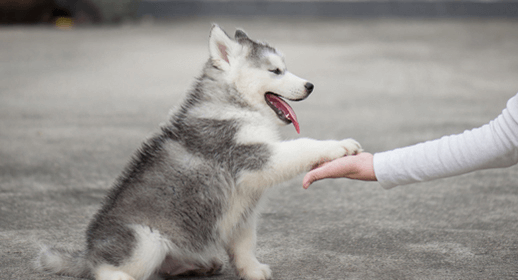
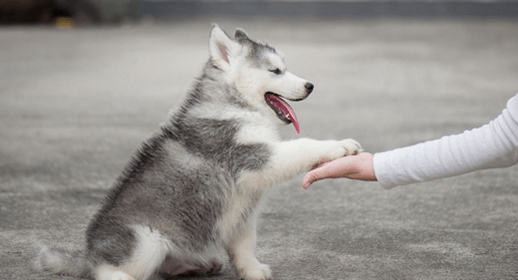
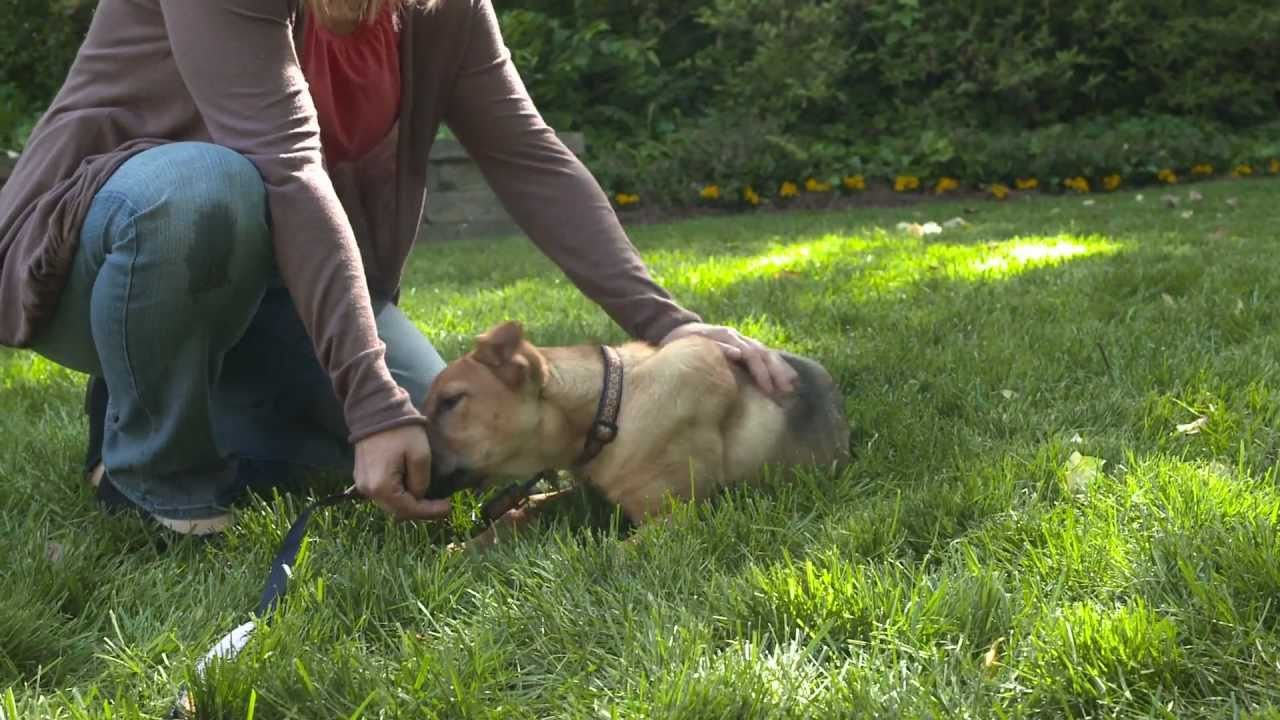
Join Expert Dog Trainer Kathy Santo as she goes through the basics of puppy obedience training. She’ll show you how to train your puppy to follow three basic commands: “sit”, “lie down”, and “stay. Then she’ll discuss how proper nutrition plays an important role in the overall training process.
Hi, I'm Kathy Santo with IAMS, and today we're going to discuss basic puppy obedience training. Obedience training is one of the best things you can do for you and your puppy. So this video will focus on the three basic commands: sit, lie down, and stay. A puppy can learn a great deal, even as early as seven weeks of age, if learning is fun and presented in the form of play. To establish a positive rapport with your puppy and prevent many future problems, start training a few days after your puppy settles in. A relationship based on friendship and trust will ensure that he tries hard to win you praise and approval. Before giving a word command to your puppy, speak his name to get his attention. Then speak a one word command, such as stay, sit, come, or heel. Your puppy won't respond to commands until he knows his name. Don't get impatient. The quickest way to teach your puppy his name is to reward him every time he looks at you. Always train when your puppy is hungry, lonely, or bored. When all his needs are met, he won't be as motivated to do as you say. For example, training right before meals will help him associate his meal with a reward for the training, and also make him more interested in the treat you use in your training session. Also, remember to use motivation, not negative reinforcement. Reinforce desired behaviors by offering toys, food, and praise, so the puppy wants to obey. Different dogs value different rewards. Some may think a tennis ball is the best thing in the world, while another puppy may find a tennis ball meaningless, but would do nearly anything for the chance to have a treat. Never use physical punishment on a young puppy, as you may scar him both mentally and physically. Also, refrain from calling your dog to come to you for punishment, because this will teach your dog not to come on command. Dogs can feel human emotions, so stay relaxed, firm, and confident. Be sure to keep any frustration out of the tone of your voice. And if you feel yourself becoming frustrated, take a break. Your dog can sense this, and will start to associate training with your unhappiness. Most puppies, like young children, enjoy learning, but have short attention spans. Training sessions should be frequent and short to prevent your dog from becoming bored. 10 to 15 minute sessions, two or three times a day, is ideal. The first command I'm going to show you is sit. Your puppy's on the leash, and you're sitting on the ground with a leash under your legs, so he can't take a field trip away from you. Hold your hand high over his head with the reward in it. Your dog will look up at the reward. Use your other hand to gently guide your dog into a sitting position, and say in a clear, firm, tone, 'sit,' while still holding the reward in the air above the dog's head. When your dog sits, give them the treat, and verbally praise him. The second command I like to teach is lie down. Have your dog sit. Let him know you have the treat, but don't give it to him. Slowly lower your hand with the treat to the floor to bring your pup's nose close to the ground. When he starts to follow it, say 'lie down.' Once he's fully on the floor, you can give him the treat. Repeat saying lie down and rewarding correct behavior. Now for stay. Have your dog sit. Let him know you have the treat, but don't give it to him. Go in front of your puppy, raise your open hand, and say 'stay' firmly, so your puppy can associate your open hand with what he's learning. Start to move away from your puppy while occasionally repeating the stay command. Start with only a few seconds of staying at a time, and then move to slightly longer amounts. Always come back and reward your puppy if he follows instructions. The last thing I'd like to talk about is nutrition, and its implications on puppy training. Good nutrition leads to a healthy dog with higher quality of poop, and more predictable and balanced behavior, so he's easier to train. Make sure your puppy is getting the well balanced diet he needs for optimal development. For more information on puppy nutrition, watch the video 'What is the best puppy food for your puppy?' I'm Kathy Santo with IAMS, and I hope that you found this helpful as you welcome your new addition into your family.