Enter a keyword below to search for articles and products.
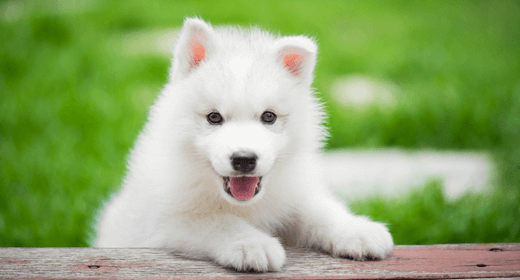
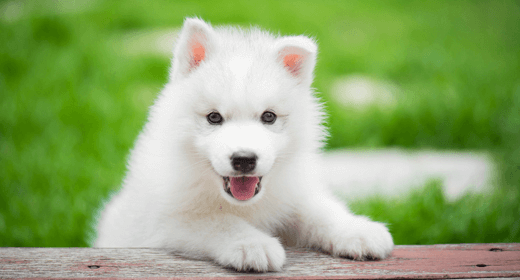
Puppies like human babies need additional love, care, and support in their growing age. The first month of a new puppy is critical as it needs the best healthcare, nutrition, and love to grow into a healthy and cheerful dog. Puppy health becomes the primary responsibility of pet parents during this stage. They must ensure preventive care and medical support alongside providing proper nourishment. To know more about the puppy health checklist, read the following.
Maintaining puppy health is the foremost important duty of every pet parent. Consulting a vet, vaccinating, neutering, and availing regular healthcare check-ups are a few duties of puppy caregivers. Similarly, other puppy preventive care includes:
Medical and preventive care is extremely necessary for puppies. Younger puppies are too small to understand what is good or bad for them. Besides, they are also very curious, playful, and energetic during their initial years. This playful and curious nature can sometimes lead to harmful situations.
Puppies often play and munch on random objects, which can sometimes result in toxication. In fact, accidents are also common in puppies as they lack cognitive skills to measure the consequences of their action. Hence, pet parents should pay more attention to their puppy’s growth and development. Some essential puppy health recommendations are as mentioned:
Apart following puppy health checklist, pet parents also need to ensure their fur baby is provided with other basic facilities for their overall growth and development. Training and socializing are as important as providing the best healthcare.
Besides, potty training and command training establishes hygiene and good behavior in them from a young age. To conclude, puppy health, fitness, and training are some of the most essential aspects for the overall growth and development of puppies.
Observe the puppy daily to look for signs of discomfort, illness, and abnormalities. If you notice a major shift in the puppy’s mood or changes in physical attributions, stool, fur, and other attributes, then consult a vet at the earliest. However, if everything looks and feels normal then you have a healthy puppy.
Soft and shiny fur, clean ear, bright eyes, a clear nose, and a playful mood are some essential signs of a healthy puppy.
Diarrhea, vomiting, itching, whimpering, and loss of energy are some signs of a sick puppy.
Parasites, kennel cough, parvovirus, vomiting, and diarrhoea are some common illnesses in puppies.
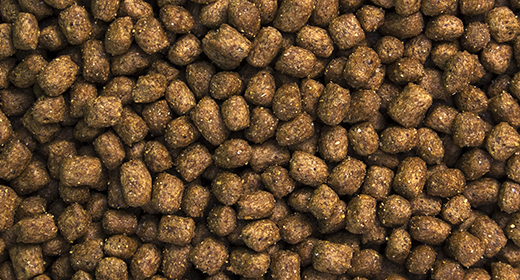
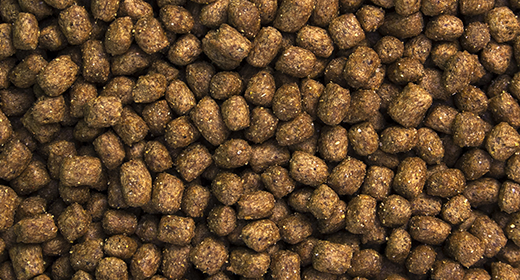
Bringing home a new puppy is a fun and exciting event for a first-time dog parent. Congratulations! If you have recently brought a cute little puppy home. We know the joy that comes with welcoming a tiny furry pup into your family; however, with a newborn pet comes new responsibilities. And the most important responsibility as a dog parent is being prepared with the right puppy essentials. These essentials will help you ensure that your four-legged angel feels comfortable in its new home.
However, if this is your first time being a pet guardian, you might be nervous about getting the right items for your floof. You might even get overwhelmed with the items that you need to buy for the health and safety of your fur baby. Therefore, you must be prepared with all the essentials well in advance. Since this is your first time, you must also learn basic skills like how to pick up a puppy. After all, you don’t want to make your pooch uncomfortable.
Puppies are cute and cuddly, which makes it impossible for new pet parents to not have the urge to pick and hold them at every instance. But before you rush to pick up the cuddly fur baby, you need to know how to pick a puppy in the correct way. Since its body is still developing, you must know how to hold your pooch without hurting its body. Given below are a few steps to follow for picking up a new puppy after bringing a puppy home.
Before you bring home your dog, make sure you have all the things needed for the puppy at home. Welcome your little one by keeping the new puppy checklist ready:
You need to arrange for a few things as your puppy is cosying up at the new place. The following are a few things you can do to make your puppy feel at home in its new abode:
Ideally, take your kids along when adopting a puppy. This way, the children will feel more connected to the newest addition to the family. Once you get the puppy home, it is natural that your kids will want to play with the new family member. However, don't let them play together for longer durations as both puppies and babies need a lot of rest. Limit puppy-children play sessions to a maximum of 15 to 30 minutes twice or thrice a day. However, you should constantly observe them as both kids and puppies need constant guidance for safety.
Puppies are curious and clueless. They need constant observation to avoid accidents and clashes. You need to be vigilant and alert when introducing your new puppy to other pets. It is best to introduce the puppy to other pets once they have settled in the new place. Take the puppy to the senior dogs and allow them to mingle. Do not worry if they sniff or lick each other as it’s a normal way of greeting. However, you might need to intervene if they start biting or barking at each other.
Although bringing a puppy home is a joyous occasion, do not forget to get all the puppy essentials to welcome it to its new home. Make a new puppy checklist consisting of all the essential items that you need to get for the fur baby. Food, grooming kit, bedding, and treats are some of the most essential things you need to arrange for the new fur baby. However, along with arranging for materialistic things, you also need to create a safe, secure, and nurturing environment for your dog to grow in.