Enter a keyword below to search for articles and products.
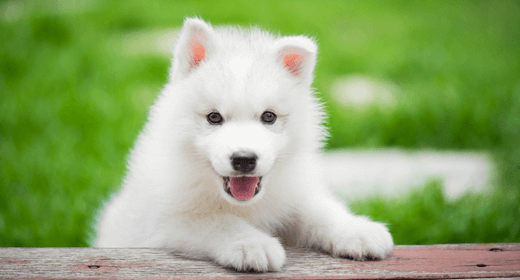
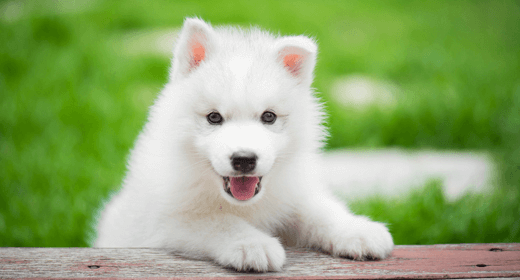
Puppies like human babies need additional love, care, and support in their growing age. The first month of a new puppy is critical as it needs the best healthcare, nutrition, and love to grow into a healthy and cheerful dog. Puppy health becomes the primary responsibility of pet parents during this stage. They must ensure preventive care and medical support alongside providing proper nourishment. To know more about the puppy health checklist, read the following.
Maintaining puppy health is the foremost important duty of every pet parent. Consulting a vet, vaccinating, neutering, and availing regular healthcare check-ups are a few duties of puppy caregivers. Similarly, other puppy preventive care includes:
Medical and preventive care is extremely necessary for puppies. Younger puppies are too small to understand what is good or bad for them. Besides, they are also very curious, playful, and energetic during their initial years. This playful and curious nature can sometimes lead to harmful situations.
Puppies often play and munch on random objects, which can sometimes result in toxication. In fact, accidents are also common in puppies as they lack cognitive skills to measure the consequences of their action. Hence, pet parents should pay more attention to their puppy’s growth and development. Some essential puppy health recommendations are as mentioned:
Apart following puppy health checklist, pet parents also need to ensure their fur baby is provided with other basic facilities for their overall growth and development. Training and socializing are as important as providing the best healthcare.
Besides, potty training and command training establishes hygiene and good behavior in them from a young age. To conclude, puppy health, fitness, and training are some of the most essential aspects for the overall growth and development of puppies.
Observe the puppy daily to look for signs of discomfort, illness, and abnormalities. If you notice a major shift in the puppy’s mood or changes in physical attributions, stool, fur, and other attributes, then consult a vet at the earliest. However, if everything looks and feels normal then you have a healthy puppy.
Soft and shiny fur, clean ear, bright eyes, a clear nose, and a playful mood are some essential signs of a healthy puppy.
Diarrhea, vomiting, itching, whimpering, and loss of energy are some signs of a sick puppy.
Parasites, kennel cough, parvovirus, vomiting, and diarrhoea are some common illnesses in puppies.
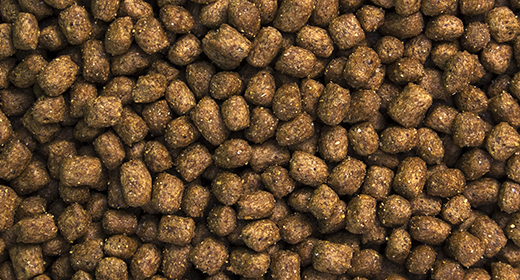
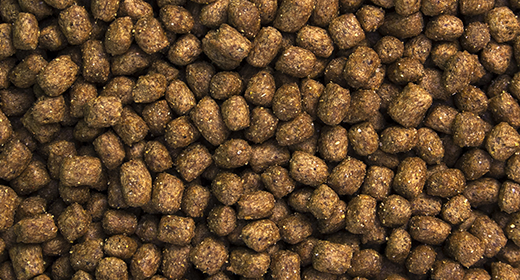
Picking the right food for your pup is key to ensuring its healthy growth. While both puppy food and adult dog food seem similar, they serve different nutritional purposes tailored to distinct life stages. Understanding this disparity is vital in guaranteeing the overall well-being of your beloved companion.
Puppies are more than just mini versions of adult dogs. Their nutritional needs are unique and crucial for their growth spurt and cognitive development. Specifically designed with the perfect blend of proteins, fats, vitamins, and minerals, puppy food supports bone and muscle growth. With their endless energy, they need the extra calories that puppy food provides. Plus, the added dose of nutrients like calcium and phosphorus is essential for strong bone development. So, stick to puppy food until your furball hits full physical maturity, ensuring a strong and healthy foundation for their adult life.
When a puppy can eat adult dog food isn't a one-size-fits-all deal. It is a gradual process that demands attention to your dog's unique traits. Generally, it is wise to make the switch when your pooch is about 80-90% of its expected adult size. But remember, a sudden change can upset their tummy.
To ease the shift, start by mixing small portions of adult food with their usual puppy fare. Over a week or two, increase the adult food ratio until your dog is entirely comfortable with the new diet. Don't forget to consult your vet to ensure a smooth transition and a lifelong, balanced diet for your four-legged friend.
When figuring out when to transfer to adult dog food, the size of your growing dog plays a crucial role. Given below is a comprehensive guide:
At IAMS, we offer a range of adult dog food that are rich in nutrients like protein, vitamins, minerals and more to provide your pooch with a complete and balanced meal. We have specialised recipes for each breed, targeting the specific nutritional needs of small, medium, and large sized dogs.
As your canine companion transitions from the puppy stage to adulthood, providing it with an appropriate diet becomes crucial for its long-term health and well-being. Adult dog food serves as a vital component in ensuring that your dog receives the necessary nutrients to maintain optimal health and vitality. Here are some key reasons why adult dog food is essential for your furry friend's overall wellness:
So, as your dog grows, make sure its diet grows as well. With the right adult dog food, tailored to its needs, you are laying the foundation for a life full of tail wags and playful barks.
Transitioning your furry friend from puppy to adult dog food is not just about changing what is in the bowl; it is a gradual adjustment that involves considering evolving nutritional needs, portion sizes, meal frequencies, and more. Here is a structured guide to help you ease your pup into their new diet over a 10-day period:
Start by mixing 75% of the puppy food with 25% of the new adult dog food. This allows your pup to get accustomed to the new flavours and textures while maintaining some familiarity with the old food.
Increase the proportion of adult dog food to 50% while decreasing the puppy food to 50%. This step continues the gradual transition, helping your dog's digestive system adapt to the new food without causing any sudden upsets.
Continue the transition by serving 75% of the new adult dog food mixed with 25% of the remaining puppy food. This step allows their taste buds to fully adjust to the new diet while ensuring a smooth transition without any digestive disturbances.
By this point, your pup should be ready to completely switch to adult dog food. Serve only the new adult dog food, ensuring that the portion size is appropriate for its age, size, and activity level. Maintain the recommended feeding schedule based on specific dietary needs.
Throughout the transition period, closely monitor your dog's eating habits, energy levels, and overall well-being. If you notice any digestive issues or reluctance to eat, slow down the process and give it more time to adjust. Providing plenty of fresh water and sticking to a consistent feeding schedule will help make the transition as smooth as possible for your beloved canine companion.
Remember, a smooth transition from puppy to adult dog food is all about taking it slow and steady. By gradually introducing the new food over a 10-day period, you give your pup's digestive system the time it needs to adjust without causing any discomfort. Keep a close eye on its response throughout the process, and do not hesitate to make adjustments if necessary. With patience and careful monitoring, you can ensure that your loyal companion makes a seamless shift to their new, adult-dog-friendly diet.