Enter a keyword below to search for articles and products.
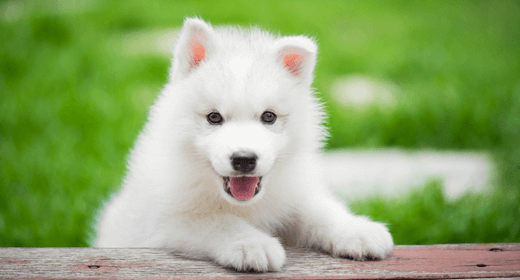
Puppies like human babies need additional love, care, and support in their growing age. The first month of a new puppy is critical as it needs the best healthcare, nutrition, and love to grow into a healthy and cheerful dog. Puppy health becomes the primary responsibility of pet parents during this stage. They must ensure preventive care and medical support alongside providing proper nourishment. To know more about the puppy health checklist, read the following.
Maintaining puppy health is the foremost important duty of every pet parent. Consulting a vet, vaccinating, neutering, and availing regular healthcare check-ups are a few duties of puppy caregivers. Similarly, other puppy preventive care includes:
Medical and preventive care is extremely necessary for puppies. Younger puppies are too small to understand what is good or bad for them. Besides, they are also very curious, playful, and energetic during their initial years. This playful and curious nature can sometimes lead to harmful situations.
Puppies often play and munch on random objects, which can sometimes result in toxication. In fact, accidents are also common in puppies as they lack cognitive skills to measure the consequences of their action. Hence, pet parents should pay more attention to their puppy’s growth and development. Some essential puppy health recommendations are as mentioned:
Apart following puppy health checklist, pet parents also need to ensure their fur baby is provided with other basic facilities for their overall growth and development. Training and socializing are as important as providing the best healthcare.
Besides, potty training and command training establishes hygiene and good behavior in them from a young age. To conclude, puppy health, fitness, and training are some of the most essential aspects for the overall growth and development of puppies.
Observe the puppy daily to look for signs of discomfort, illness, and abnormalities. If you notice a major shift in the puppy’s mood or changes in physical attributions, stool, fur, and other attributes, then consult a vet at the earliest. However, if everything looks and feels normal then you have a healthy puppy.
Soft and shiny fur, clean ear, bright eyes, a clear nose, and a playful mood are some essential signs of a healthy puppy.
Diarrhea, vomiting, itching, whimpering, and loss of energy are some signs of a sick puppy.
Parasites, kennel cough, parvovirus, vomiting, and diarrhoea are some common illnesses in puppies.
Bloat can affect any dog; however, it is observed in deep-chested, larger breeds more frequently than in others. Unfortunately, you will find that many dog owners are completely unaware of this ailment until it starts to endanger their pet’s life.
Bloat can affect any dog; however, it is observed in deep-chested, larger breeds more frequently than in others. Unfortunately, you will find that many dog owners are completely unaware of this ailment until it starts to endanger their pet’s life. Therefore, all pet owners should be aware of bloat and how to spot and respond to symptoms of bloat in dogs. So, here’s all you need to know about bloating in dogs.
Bloat is a life-threatening condition that acts rapidly and can lead to death within hours if not recognised and treated immediately. Unfortunately, the cause of bloat remains unknown at this time.
The scientific term for bloat is gastric dilatation-volvulus or GDV. Bloat is characterised by rapid and abnormal expansion of the stomach with gas (dilatation). This can be followed by rotation of the stomach (volvulus). This rotation closes both the entry to and exit from the stomach. The blood vessels also are closed, and the blood flow is restricted.
What follows is an increase in pressure inside the stomach and compression of the surrounding organs. Eventually, shock will occur as a result of the restricted blood flow. Here are a few key facts about bloat:
Bloat is a true medical emergency, and early identification and treatment is critical for survival.
In the early stages of bloat, the dog will be very uncomfortable. You might see it pacing and whining or trying unsuccessfully to get into a comfortable position. It might seem anxious, might lick, or keep staring at its stomach, and might attempt to vomit, without success.
Other indications of bloat can include weakness, swollen abdomen, and even signs of shock. Signs of shock are increased heart rate and abnormally rapid breathing.
If you notice these signs of bloat in dogs, call your veterinarian immediately!
This occurs due to gas getting trapped in the stomach region.
Gastrointestinal problems in dogs can cause excessive salivation, including esophageal diseases like megaesophagus.
Pacing and restlessness are typical signs of bloating. Your dog may even groan or whine when you press on their belly.
An abnormal swelling due to gas in your dog’s stomach can also cause respiratory distress along with a twisted belly.
Bloating can put strain on the diaphragm, a delicate muscle that divides the chest from the abdomen. This ends up making heartbeats shorter and breathing difficult.
Although veterinarians don't know what causes bloat in dogs, there are numerous factors that increase a dog's risk for this condition. These include:
These suggestions could help in preventing bloat in dogs. However, they are based on suspected risk factors and are not guaranteed to prevent the onset of bloat.
All cases of bloat in dogs require prompt medical intervention. The condition can be treated if it gets addressed quickly. In case of a simple bloat, where the dog's stomach has not twisted, the pet may be treated without any medication. They may be given fluids and certain therapies. If discovered in its early stages, other types of bloats such as GDV, may also be treatable. Surgical intervention may also be used for treatment in certain cases.
Releasing the trapped air and gas will relieve pressure on the surrounding organs and prevent the stomach's tissue from degenerating. A tube and stomach pump can be used for this; however, surgery may be required on occasion. This can aid in stomach unwinding or curing GDV in dogs.
Additionally, electrolyte-fortified intravenous fluids are also administered to improve blood flow to vital organs. In many cases, this necessitates the use of potent painkillers, antibiotics, and medications to treat the decreased blood supply to the heart due to bloating.
As soon as the dog is steady, surgery is carried out. Your veterinarian may need to untwist the dog's stomach and remove any stomach wall tissue that might have died from a lack of blood supply. The veterinarian will also perform a treatment known as a gastropexy to suture the stomach to the body wall. As a result, the likelihood of the stomach rotating in the future decreases significantly; thus, preventing bloat in dogs.
Another way you might help prevent bloat is by feed a high-quality, easily digestible food with normal fibre levels.
Feeding management offers the best method available for reducing risk until the exact cause of bloat can be identified. Although not 100% effective, these measures can reduce the number of dogs that face this serious, life-threatening condition.
IAMS™ dog food stands out as a superior and highly digestible choice for your furry companion.
If you're looking for the perfect dog for you, try our Dog Breed Selector today and enjoy a lifetime of tail-wagging joy.