Enter a keyword below to search for articles and products.
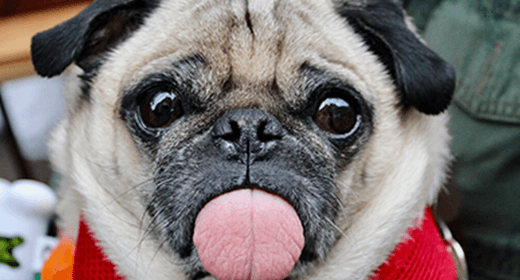
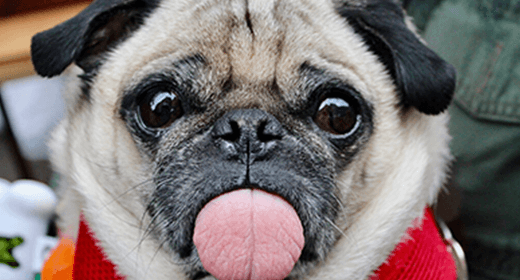
Worried that your small-breed dog is packing on the pounds? Run your hands along his backbone. You should be able to feel (but not see) his ribs. You also should see a clearly defined waist behind the ribs. If you can’t, follow these seven tips from Debra Eldredge, a veterinarian and co-author of “Dog Owner's Home Veterinary Handbook,” published by Howell Book House.
Before you put your overweight dog on a diet, schedule an appointment with the vet to make sure an underlying health problem isn’t causing the numbers on the scale to creep up.
Snacks and table scraps might account for your overweight dog’s bulging belly, Eldredge says. If curtailing in-between meals doesn’t make a difference, consider continuing with the same amount of food but switching to a different formula. Your vet can give you guidance.
Thawed frozen green beans, canned pumpkin (which is fiber-rich and filling) and cut-up carrots make satisfying, low-calorie snacks for your pet.
Apart from veggies feed them food high in nutrition. Check out the article that talks about nutritional needs of small breed dogs.
A study showed that dogs can count up to six or seven, Eldredge says. If he is accustomed to getting two small biscuits as a treat, break one biscuit into two pieces. By his count, he’s still getting two treats!
As much as your overweight dog loves treats, he also loves taking walks, playing and spending time with you. You also can replace biscuits with a couple of pieces of the kibble he would get during mealtime.
Is your bichon staring up at you with those beautiful eyes as you nibble on peanuts? He’s probably not hungry. As you have your snack, offer him a piece of kibble. If he turns it down, he’s not really hungry — he just wants your peanuts!
If your overweight dog has just a couple of pounds to lose, it can be hard to gauge whether he is making progress. Ask your clinic if it’s OK if you stop in once a week so he can step onto the doctor’s scale.
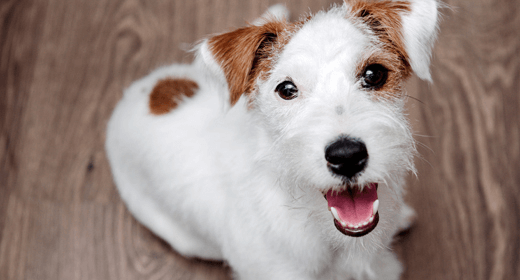
Teeth are important players in the digestive process.
As teeth grind up food, debris accumulates on the tooth surface and attracts bacteria. This accumulation of debris and bacteria is called plaque. Plaque is easily removed from teeth by brushing—that is, when teeth are brushed frequently.
If the plaque isn't brushed away, mineral deposits cause it to harden on the teeth. This is called tartar. Dark yellow or brown accumulations on the teeth are indicators of tartar, which is difficult to remove.
If left untreated, plaque can lead to damage of the gums (gingivitis) or the jawbones and teeth (periodontitis).
Keeping a pet’s teeth and gums healthy involves regular brushing and professional cleaning. Unfortunately, many owners have problems brushing their dogs’ teeth on a regular basis.
Special diets also can help reduce tartar buildup between cleanings. Most dental diets are formulated with a tough kibble that is texturized to scrape off some plaque.
Our dental technology uses a patent-pending manufacturing process that enables dry-food kibbles to control tartar buildup. This process does not affect the nutrient content of the food or the size of the kibbles.
IAMS™ researchers have looked at the effects of feeding dogs dry diets with our dental technology. In each of these studies, two groups of animals were fed our formula, either with (control) or without our dental technology.
All animals had their teeth thoroughly cleaned.
After 28 days of eating one diet, animals’ teeth were examined for tartar.
All animals then received another thorough cleaning.
Then diets were switched for another feeding period.
In dogs, the diets featuring our dental technology reduced tartar accumulation as much as 50% compared to dogs fed the control diet.'