IAMS MY
How Wheat is Used in Our Dog Foods

adp_description_block291
How Wheat is Used in Our Dog Foods

  • Share

Why Use Wheat in Dog Food?

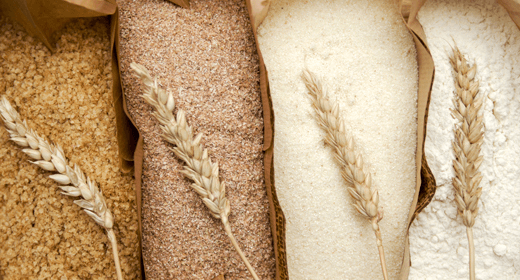
Wheat is a grain used as a high-quality carbohydrate source in dry dog foods and biscuits. It provides energy for daily activity, as well as processing characteristics for the food. IAMS™ research has shown that including wheat in a complete and balanced diet results in a moderate glycemic response in dogs, which is lower, in general, than the response observed when a rice-based diet was fed. 1,2


Misconception About Food Allergies

A common misconception is that feeding wheat causes food allergies. The facts are:

  • The pet must have a hypersensitivity to the food or ingredient. An allergy is an adverse reaction of an individual animal to proteins in the diet.
  • Food allergies are rare in animals and account for a very low percentage of allergic reactions in dogs.
  • If your pet has a food allergy, he is most likely allergic to one ingredient or a combination of ingredients in his diet. In a U.S. study of food-allergic dogs, the two common pet-food ingredients that most often caused an allergic reaction were beef and soy.3


Gluten-Sensitive Enteropathy

Gluten (a protein found in wheat) is responsible for wheat-sensitive enteropathy, occasionally found in Irish Setters from the United Kingdom. Gluten enteropathy of Irish Setters is a malabsorption syndrome, which responds to the removal of wheat (gluten) from the diet. This condition is very rare, and the reason some dogs develop it is not yet clear.
 

1 Sunvold GD. “The role of novel nutrients in managing obesity.” In: Recent Advances in Canine and Feline Nutrition, Vol II: 1998 IAMS Nutrition Symposium Proceedings. Carey DP, Norton SA, Bolser SM, eds. Wilmington, OH: Orange Frazer Press, 1998; 123–133.
 

2 Bouchard GF. “Effect of dietary carbohydrate source on posprandial plasma glucose and insulin concentration in cats.” In: Recent Advances in Canine and Feline Nutrition, Vol III: 2000 IAMS Nutrition Symposium Proceedings. Reinhart GA, Carey DP eds. Wilmington, OH: Orange Frazer Press, 2000; 91–101.
 

3 Jeffers JG. “Responses of dogs with food allergies to a single-ingredient dietary provocation.” J Am Vet Med Assoc. 1996, vol 209(3): 608–611.
  • What to Know When You Bring Your Puppy Home
    What to Know When You Bring Your Puppy Home
    adp_description_block71
    Puppy Essential for Welcoming Home a New Puppy

    • Share

    Bringing home a new puppy is a fun and exciting event for a first-time dog parent. Congratulations! If you have recently brought a cute little puppy home. We know the joy that comes with welcoming a tiny furry pup into your family; however, with a newborn pet comes new responsibilities. And the most important responsibility as a dog parent is being prepared with the right puppy essentials. These essentials will help you ensure that your four-legged angel feels comfortable in its new home. 
     

    However, if this is your first time being a pet guardian, you might be nervous about getting the right items for your floof. You might even get overwhelmed with the items that you need to buy for the health and safety of your fur baby. Therefore, you must be prepared with all the essentials well in advance. Since this is your first time, you must also learn basic skills like how to pick up a puppy. After all, you don’t want to make your pooch uncomfortable.
     

    How to pick up a puppy?

    Puppies are cute and cuddly, which makes it impossible for new pet parents to not have the urge to pick and hold them at every instance. But before you rush to pick up the cuddly fur baby, you need to know how to pick a puppy in the correct way. Since its body is still developing, you must know how to hold your pooch without hurting its body. Given below are a few steps to follow for picking up a new puppy after bringing a puppy home.

    1. Step 1: Puppy’s body is fragile, so gently place one hand under the puppy’s rump, and the other hand under its chest.
    2. Step 2: Lift the pup with both arms. You can use this technique to lift small dogs. For larger dogs, wrap both arms around its legs, draw it to your chest, and lift.

    Puppy essentials to get before your dog comes home

    Before you bring home your dog, make sure you have all the things needed for the puppy at home. Welcome your little one by keeping the new puppy checklist ready:

    1. Premium pet food: Puppies need food that is specially formulated for their needs. Since these little angels need more calcium, phosphorous, fat, and protein, their foods contain more calories per bite. With IAMS™, you can rest assured that your little pooch receives right nutrients in right quantities for healthy growth and development. Moreover, our range of dog food is made with highest-quality ingredients for better digestibility.
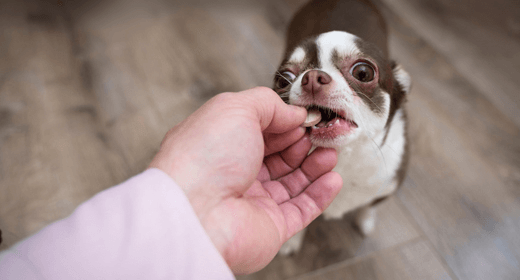
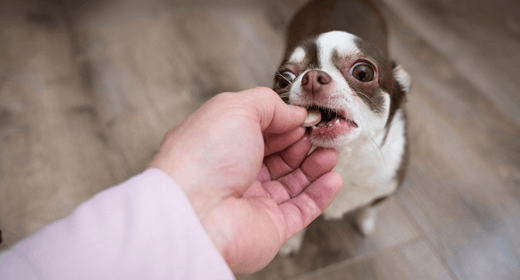
    2. Treats: There are two kinds of treats – healthy treats and training treats. Healthy treats include chews and dental snacks. Training treats are commonly used for teaching puppies to accept commands.
    3. Bedding: Every dog deserves comfortable bedding to snuggle in after a long session of being cute and adorable. Consider the size of your dog when buying a bedding. Also, get cushions and a blanket to keep it cosy and well-rested.
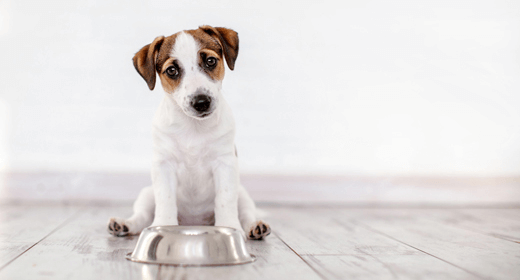
    4. Bowls: Food and water bowls are an important part of the list. Get at least one set of each according to the pup’s size and eating style. Use stainless steel bowls as they neither break easily nor absorb odour.
    5. Puppy crates: Handy crates are great options while travelling or driving with your pup. Get a crate according to the size of your dog. Buying airline-approved crates is better as it makes travelling easy. Its scent in the crate will provide comfort and a sense of security during stressful times.
    6. Clothing: Select the best pair of clothing for the puppy’s first day in its new home. Get a fit jumper to prevent the dog from getting cold. You can get protective clothing for long-haired dogs to keep them dry and clean during winter. Make sure the clothing does not irritate the dog.
    7. Collar and leash: Choose the right collar and leash to help your pup move around freely without any discomfort. Pick an adjustable 'breakaway' collar made with plastic clips that will unsnap in case your puppy gets stuck up on something. Select collars with two fingers of adjustable space to the growing size of your dog. A nylon leash of 6-feet that is around ½ to ¾ inch wide should work well.
    8. Toys: To keep your puppy entertained for long hours, get chew toys, snuggle toys, and puzzle toys. These toys will also keep them mentally active and fresh. Do not get small toys that pose a risk of swallowing or harm.
    9. Poop bags and holder: You wouldn’t want your puppy to take all the blame for roadside poo, right? Using a poop bag and holder for cleaning after the dog has pooped in a public place is a civil duty of every pet parent. Hence, you should get a poop bag and holder to pick up its excrement.
    10. Grooming equipment: Put together a little grooming bag for your dog. Include items like dog shampoo, brushes and combs, nail clippers, dog toothpaste and toothbrush, stain remover etc. for cleaning.
    11. Identification tag: Make cute IDs for your pup that attach to their collar with your information. Mention your pup’s name, your name, your phone number, and your veterinarian’s phone number.
    12. Fencing: Another element that makes to the list of puppy essentials is fences and gates. After all, you don’t want the dog to run or be disturbed. There are several types of fences – privacy fencing, chain link, kennels etc. If you have little children, make sure you get the fencing done to safeguard them from each other.

    Things needed for the puppy to feel cosy in the new place

    You need to arrange for a few things as your puppy is cosying up at the new place. The following are a few things you can do to make your puppy feel at home in its new abode:

    1. Step 1: On the puppy’s first day at home, make a designated potty area for it. Installing a peeing pad is suggested. If the puppy pees in the right spot, make sure to offer a treat to it. Follow the same steps for potty training.
    2. Step 2: Keep the puppy’s crate and bedding in one specific place. If possible, create this area away from the usual commotion so that the puppy gets to rest in peace without getting distressed at least during the initial days.
    3. Step 3: Allow the fur baby to explore its new home and get familiar with its surroundings. Puppy-proof the house to avoid any possible accidents around sharp corners and slippery floors.
    4. Step 4: Introduce everyone to the new member on the puppy’s first day. Invite it to play without annoying or stressing it. Puppies are ideally very excited and will try to mingle with everyone around. However, if it tries to hide, then allow it some alone time. Offer treats and pet it to try and ease the new fur baby in its new home.

    Cozying up new puppy to children

    Ideally, take your kids along when adopting a puppy. This way, the children will feel more connected to the newest addition to the family. Once you get the puppy home, it is natural that your kids will want to play with the new family member. However, don't let them play together for longer durations as both puppies and babies need a lot of rest. Limit puppy-children play sessions to a maximum of 15 to 30 minutes twice or thrice a day. However, you should constantly observe them as both kids and puppies need constant guidance for safety.
     

    Introducing new puppy to other pets

    Puppies are curious and clueless. They need constant observation to avoid accidents and clashes. You need to be vigilant and alert when introducing your new puppy to other pets. It is best to introduce the puppy to other pets once they have settled in the new place. Take the puppy to the senior dogs and allow them to mingle. Do not worry if they sniff or lick each other as it’s a normal way of greeting. However, you might need to intervene if they start biting or barking at each other.
     

    Although bringing a puppy home is a joyous occasion, do not forget to get all the puppy essentials to welcome it to its new home. Make a new puppy checklist consisting of all the essential items that you need to get for the fur baby. Food, grooming kit, bedding, and treats are some of the most essential things you need to arrange for the new fur baby. However, along with arranging for materialistic things, you also need to create a safe, secure, and nurturing environment for your dog to grow in.

Close modal