Enter a keyword below to search for articles and products.
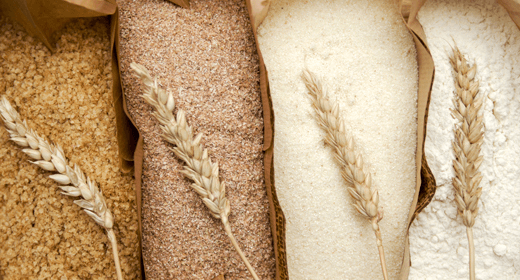
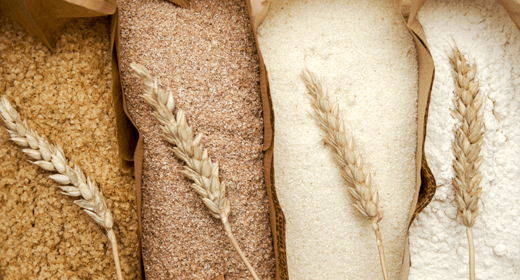
Wheat is a grain used as a high-quality carbohydrate source in dry dog foods and biscuits. It provides energy for daily activity, as well as processing characteristics for the food. IAMS™ research has shown that including wheat in a complete and balanced diet results in a moderate glycemic response in dogs, which is lower, in general, than the response observed when a rice-based diet was fed. 1,2
A common misconception is that feeding wheat causes food allergies. The facts are:
Gluten (a protein found in wheat) is responsible for wheat-sensitive enteropathy, occasionally found in Irish Setters from the United Kingdom. Gluten enteropathy of Irish Setters is a malabsorption syndrome, which responds to the removal of wheat (gluten) from the diet. This condition is very rare, and the reason some dogs develop it is not yet clear.
1 Sunvold GD. “The role of novel nutrients in managing obesity.” In: Recent Advances in Canine and Feline Nutrition, Vol II: 1998 IAMS Nutrition Symposium Proceedings. Carey DP, Norton SA, Bolser SM, eds. Wilmington, OH: Orange Frazer Press, 1998; 123–133.
2 Bouchard GF. “Effect of dietary carbohydrate source on posprandial plasma glucose and insulin concentration in cats.” In: Recent Advances in Canine and Feline Nutrition, Vol III: 2000 IAMS Nutrition Symposium Proceedings. Reinhart GA, Carey DP eds. Wilmington, OH: Orange Frazer Press, 2000; 91–101.
3 Jeffers JG. “Responses of dogs with food allergies to a single-ingredient dietary provocation.” J Am Vet Med Assoc. 1996, vol 209(3): 608–611.


Just like humans, dogs too need constant care and support throughout their lifetime. We all know puppies need more attention and care; however, did you know? Adult dog health is also equally important. In fact, dogs’ health is the primary responsibility of every pet parent. Providing the right nutrition and health care largely contributes to your pooch’s health.
Keeping the four-legged angel away from the harmful pathogens, germs, and unhygienic surroundings is also a prime responsibility of every caregiver. A dog’s behavior, mood, and diet can say a lot about its baby’s health and fitness. Hence, as a dog parent, you must keep a close eye on your pet’s behavioral changes.
There are many signs that help pet caregivers keep a tab on their canine companion’s health. Given below are a few signs to look for to understand your dog’s health and fitness status:
Knowing about the symptoms of a sick dog helps caregivers identify and treat their pooch’s medical condition in time. Given below are a few signs and symptoms that might help you recognize any dog illness:
Maintaining your pet’s health is an essential part of caring for them. Visiting a vet is necessary for getting your pooch vaccinated and regularly checked. Veterinarian doctors also prepare diet charts and suggest health supplements for your dog depending on its health requirements. In conclusion, looking for signs of sickness and constantly inspecting your dog's physical and psychological well-being ensures that your furry friend is hale and hearty.