Enter a keyword below to search for articles and products.
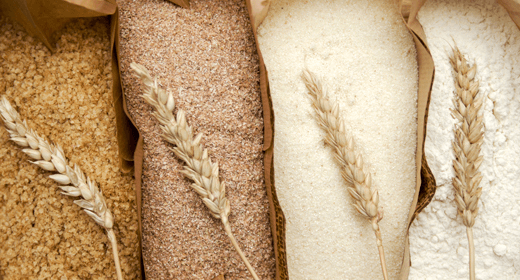
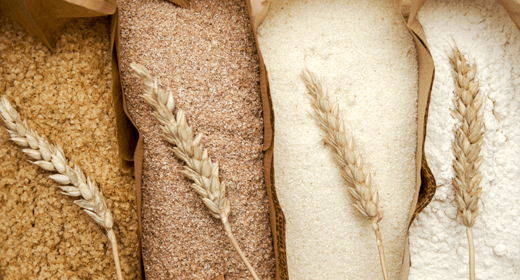
Wheat is a grain used as a high-quality carbohydrate source in dry dog foods and biscuits. It provides energy for daily activity, as well as processing characteristics for the food. IAMS™ research has shown that including wheat in a complete and balanced diet results in a moderate glycemic response in dogs, which is lower, in general, than the response observed when a rice-based diet was fed. 1,2
A common misconception is that feeding wheat causes food allergies. The facts are:
Gluten (a protein found in wheat) is responsible for wheat-sensitive enteropathy, occasionally found in Irish Setters from the United Kingdom. Gluten enteropathy of Irish Setters is a malabsorption syndrome, which responds to the removal of wheat (gluten) from the diet. This condition is very rare, and the reason some dogs develop it is not yet clear.
1 Sunvold GD. “The role of novel nutrients in managing obesity.” In: Recent Advances in Canine and Feline Nutrition, Vol II: 1998 IAMS Nutrition Symposium Proceedings. Carey DP, Norton SA, Bolser SM, eds. Wilmington, OH: Orange Frazer Press, 1998; 123–133.
2 Bouchard GF. “Effect of dietary carbohydrate source on posprandial plasma glucose and insulin concentration in cats.” In: Recent Advances in Canine and Feline Nutrition, Vol III: 2000 IAMS Nutrition Symposium Proceedings. Reinhart GA, Carey DP eds. Wilmington, OH: Orange Frazer Press, 2000; 91–101.
3 Jeffers JG. “Responses of dogs with food allergies to a single-ingredient dietary provocation.” J Am Vet Med Assoc. 1996, vol 209(3): 608–611.


Just as in humans, gut health plays a pivotal role in a dog's overall health and well-being. But what exactly is gut health?
Essentially, it refers to the balance and functioning of the gastrointestinal (GI) tract, specifically the gut microbiome, a unique collection of thousands of different types of bacteria, viruses, fungi, and other microorganisms. This delicate ecosystem is crucial for almost every aspect of your dog's health, from nutrient absorption to cognitive functions.
However, our pet’s commercial diets, medications like antibiotics, and excessive indoor living can disrupt the balance of the gut microbiome, leading to canine digestion issues such as inflammatory bowel disease (IBD), immune system reactions, indigestion in dogs, and behavioral changes.
Fortunately, it's possible to restore and maintain your dog's gut health, while addressing signs of indigestion in dogs. Join us as we discuss the best ways to promote healthy dog digestion.
Improving your dog's gut health involves addressing any signs of digestive issues in dogs and working towards a well-balanced gut microbiome. Here are 4 of the best ways to improve your dog’s gut health, and in turn your dog’s digestion:
Introducing probiotics into your dog's diet can help build good bacteria and balance their microbiome. Probiotics increase immune resistance against harmful bacteria, fight intestinal infections, and provide nutritional support during digestive issues. You can try products like IAMS™ Proactive Health™ Digestive Health Supplement, which contains the probiotic Bacillus Subtilis. This helps degrade organic matter in the feces, reduce ammonia production and fecal odour, and promote the growth of good bacteria. To keep these beneficial probiotics thriving, consider adding soluble fibers into their meals, such as squash.
Regular exercise and playtime can significantly improve your dog's gut health. Exercise reduces stress, which can weaken its immune system and cause inflammation. Finding the right level of exercise for your dog's life stage and maintaining that routine can help manage canine digestion and overall health.
Feeding your dog a nutrient-dense, biologically appropriate diet can positively impact their gut health. Dogs require meat protein for optimal health, and raw meats rich in live enzymes can enhance digestibility and nutrient absorption. Including bone broth in their meals can also increase nutrient absorption and help restore the gut lining.
Just like humans, dogs can benefit from exposure to a variety of environments. This can help diversify their gut microbiome, leading to better digestion and overall health.
Indigestion in dogs is often a clear sign of poor gut health. Some other signs of digestive issues in dogs that you should watch out for are:
These signs could indicate a disrupted gut microbiome that needs attention. By taking steps to improve your dog's gut health, you'll be supporting their overall wellness and helping them lead a happier, healthier life.
If you notice signs of indigestion in dogs, such as diarrhoea, constipation, bloating, vomiting, or any changes in their behaviour, it’s crucial to consult with a vet. While occasional digestive issues can occur in dogs, persistent symptoms could indicate a disruption in their gut microbiome.
Investing in your dog's gut health through a comprehensive approach of diet, exercise, environment exposure, vet consultations, and supplements, can significantly improve their overall well-being. This will help to ensure healthy canine digestion, and a happier, healthier life for your furry friend.