Enter a keyword below to search for articles and products.
Oral care is a key component of your pet’s overall health: A smart regimen can help prevent the development of serious conditions. Keeping your pet’s teeth clean and bacteria-free results in more than just healthy teeth and fresh breath. With a little know-how and effort, you can protect your pet for a lifetime of companionship.
Tartar and gingivitis are the most common problems seen by veterinarians. The majority of dogs will develop these problems. Unchecked, these can lead to periodontitis and serious health concerns for your pet, up to and including, tooth loss and serious illness. But you can take action to control this and promote good oral health by incorporating the 3Ds: Daily Brushing, Dentistry. and Diet.
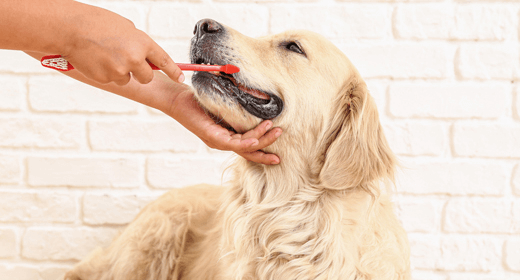
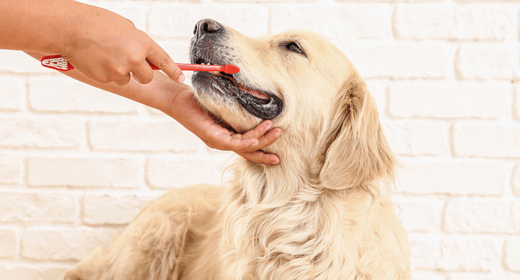
Daily brushing of your pet’s teeth will remove plaque and slow the development of tartar. When first beginning to brush, be gradual and make it a pleasant experience. Start by using your finger. Later, introduce a toothbrush. Be sure to praise and reassure your pet while brushing. Also, reward your pet afterward with play or a walk.
Talk with your veterinarian about annual or semiannual teeth cleaning—a dental prophylaxis or prophy for short. Teeth cleaning, performed by your veterinarian, is the only way to remove tartar.
Diet is important to good oral health. The mechanical, brushing action of dry, crunchy kibbles helps remove plaque and works to scrub teeth clean. Some diets also might include ingredients such as hexametaphosphate (HMP) that can help block tartar formation. Diet, daily brushing, and dentistry helps break the plaque-to- tartar cycle and optimize oral health.
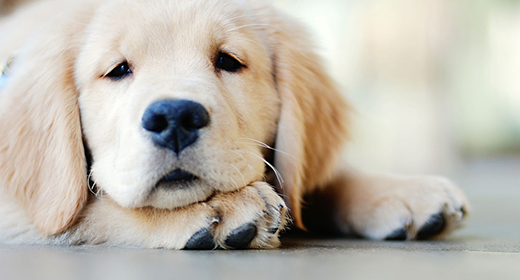
Puppies bring abundant joy to our lives from the moment we bring them home and caring for them comes as second nature to us. ‘How to take care of puppies’ is one of the most frequently asked questions by new puppy owners. But taking care of puppies is quite easy with the right method. IAMS is here to help you every step of the way in raising your puppy. From having a varied dog food range to providing tips on dog nutrition, we have got you covered.
Puppies need healthy food and a safe environment as they’re vulnerable to various types of illnesses and diseases. Also, puppies have a natural tendency to chew on objects, so it’s important to ensure that they don’t end up swallowing dangerous objects. Make sure you offer toys to your puppy to satisfy its need to chew.
If you feed your puppy healthy food from the start, it will remain healthy even in its old age. Proper nutrition from the start ensures that your puppy does not fall sick or even suffer from fur loss. Making sure that your puppy remains active is very important. A sedentary lifestyle, even for dogs, is extremely harmful to their health in the long run. All these things are an essential part of taking care of your puppy that adds to its healthy and long life.
Here is a table that will help you understand your puppy’s growth and developmental stage better:
Growth stage | 0-7 weeks | 7-8 weeks | 8-10 weeks | 8-16 weeks | 4-6 months | 6-12 months | 12-18 months |
Character traits | Puppies learn social behaviour like when to bite, submission, paying attention and general interaction with other dogs. | This is the best period for puppies to bond with humans. | This is a very vulnerable stage for the puppy, and it is best if it has positive experiences during this stage. It is also called the ‘fear period’. | You can start training your puppy during this stage. And avoid incorporating punishment for this purpose. | Your puppy may appear more confident and independent during this stage. | This is the stage when your pup is high on energy. You must ensure it does not experience boredom during this stage. | By the time your pup reaches this stage, it should have reached emotional maturity as well. |
You may begin training them at this stage with basic simple manners. | It is important to make your puppy feel good if it’s sad. | Ensure you get your puppy spayed or neutered by the 6th month. | Provide many opportunities to your dog to play with different kinds of toys. | During this phase, your dog tends to assert its dominance and hope to improve its status in your house. |
Owning a puppy feels special, doesn’t it? You have to keep a few things in mind when you bring your puppy home. Here are some tips that may help you raise your dog with ease: