Enter a keyword below to search for articles and products.


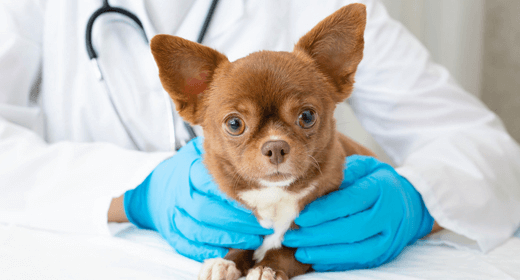
Bringing a new furry friend home is one of the most exciting things you will experience. And as a pet parent, the first thing you need to do is lay down a puppy vet care plan. Hence, it is essential that you take your new, little pet for a general check-up within the first week of bringing it home. During this vet visit, you can learn about your dog’s vaccination schedule, nutritional requirement, training needs, and more. It is crucial to seek professional medical advice to make sure that you do not overlook any aspects that may need immediate attention. If you are not sure why and when you need a vet for your dog, this article is for you. It gives you a gist on how often you should visit your vet, vaccinations, annual check-ups, and more.
A veterinarian is going to help you keep your floofy healthy and in check. A puppy, just like a senior dog, will require more attention. So, if you are wondering how often a puppy should go to a vet, here’s your answer: once every 3-4 weeks. If your puppy requires special attention, your veterinarian will recommend frequent follow-ups. If this is your pup’s first vet visit, contact the breeder for information on vaccination and any other medical history. If you have a rescue pup, let your vet know. It will help your doctor assess your pup’s case better.
Moreover, take your puppy to the doctor immediately if you notice any of the following issues:
Note: Even if your dog comes with a documentation of up-to-date vaccination shots, you should take it to the vet at least once to get a green signal.
We humans visit our family doctors at least once a year even if we do not exhibit any symptoms. Similarly, even your fur baby needs to be taken to the vet once a year for annual vaccination and a general medical check-up The vet will check your baby’s heart, lungs, ears, eyes, look for any abnormal growth, and do other basic tests.
Based on the medical examination, your vet may recommend certain dietary changes, physical activities, and a dental care routine. Follow their recommendations religiously to improve your puppy’s health! Here are a few things you can carry during your dog’s yearly appointment:
Puppies are born with some immunity passed on to them by their mothers. However, they start losing their inherited immunity once they turn 6 to 8 weeks old. Therefore, it becomes imperative that you start vaccinating your puppy around that time. Their innate habit of sniffing and licking everything that strikes their fancy exposes dogs to a plethora of diseases. Thankfully, a vaccination plan can shield them against fatal viruses and diseases. Vaccine shots are administered when puppies turn 6-8 weeks old, and they are repeated every 2-4 weeks until the puppy is 16 weeks of age or older. Sometimes, a vet may recommend an earlier vaccination regimen, starting at 4 weeks of age in the face of an outbreak or when the mother has an unknown vaccination history. You can ask your vet for a vaccination schedule customised for your puppy.
As kids, we were inoculated against several health issues with different types of vaccination. Similarly, your dog too needs to be vaccinated against multiple diseases such as rabies, distemper, hepatitis, etc. So, Let’s take a look at the types of vaccines commonly administered to your dog:
The above vaccines may come in different combinations; hence, consult your vet and get a proper understanding of
During the first year, your puppy will visit its vet frequently to get vaccination shots. Once your dog is fully vaccinated, you can consult your vet as and when required. However, do not forget to go for annual vet examinations to rule out serious health problems.
If this is your puppy’s first vet visit, you should speak with the breeder or shelter to understand if they have already administered any vaccinations on your puppy. Moreover, your vet must know if the deworming process has already begun. In case your pup is on any medicines or supplements, carry it along. Inform the veterinarian about its diet or any concerning issue.
If the puppy is less than 4 months old, you should take your pup to the vet every 3 or 4 weeks. Once it is eligible for vaccinations, your veterinarian shall provide you with a schedule. Take your puppy to the vet as per that schedule to ascertain that your puppy is fully vaccinated.
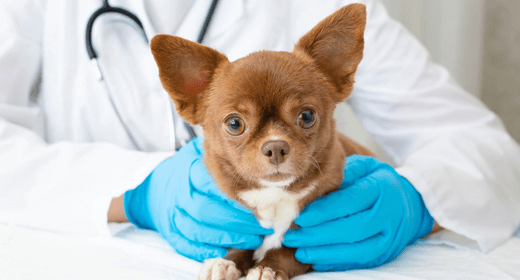
Population control is as essential for pets as it is for humans. Overpopulation by unwanted kindle of kittens or puppies is difficult to manage by caregivers. Many newborn young kittens and puppies are either put up for adoption or sent to an animal shelter. Besides, reproduction can be a tedious journey for your furry friend. Hence, it is better to get them spayed and neutered at the right time.
Spaying and neutering are medical procedures performed on dogs to stop their reproduction process. Dog neutering and spaying is one the essential medical procedures for providing care to your fur baby. There are many benefits of neutering and spaying your canine friend. To understand more about this helpful medical procedure, read the following.
A neutered or spayed dog cannot reproduce as their heat cycle is eliminated. Dog neutering is a medical procedure performed on male dogs while spaying is performed on female dogs. Veterinarian surgeons perform a surgical procedure to remove ovaries and uterus from female dogs. Besides population control, spaying also prevents uterine infections and breast cancer in female dogs. Whereas neutering is a similar procedure performed on male dogs. Neutered dogs undergo surgery for removing both testicles and associated structures. Male neutered dogs are generally believed to be more well-behaved and calmer. The surgery also stops their breeding acts such as humping and the urge to run away.
Getting your dog spayed and neutered is essential for their psychological and physical well-being and behaviour. Yet, when to spay a dog and when to neuter a puppy is a common query amongst pet caregivers. Well, it is best to get your pooch neutered or spayed at the earliest. It is best to get your fur baby neutered or spayed before it develops breeding instincts. Undergoing the procedure between 4 and 6 months is suggested. Most breeds of dogs reach redevelopment maturity around 6 months of age, yet some breeds can easily be neutered or spayed until 9 months or even after they turn over a year old. Hence, your pooch’s breed and size decide how soon it needs to be spayed or neutered.
There are numerous reasons to opt for spaying and neutering for pets. By undergoing spaying and neutering procedures, pets can achieve better physical and psychological health. Neutered and spayed dogs are known to have better hormonal balance as their reproductive organs are removed which helps in neutralizing their breeding instincts. Mentioned below are a few more reasons why you should get your pets neutered and spayed.
It is necessary to take some preventive measures to build trust and assurance before getting your pooch neutered or spayed. The following are a few things you should do to prepare your canine friend before getting it neutered/ spayed.
Neutering or spaying can typically take anywhere between 20 to 90 minutes depending on the size, breed, and health of your pooch. As a pet parent, you need to ensure the best care and support for your fur baby to ensure its complete and stress-free recovery post-surgery. Puppies and dogs often take up to 10 to 14 days to recover after getting neutered or spayed. The following are a few things you should do to ensure your puppy recovers well after getting neutered or spayed.
Your pooch needs to relax and rest well to get back to its bubbly mood as soon as possible. Resting is especially required for healing the surgery scars. It is suggested to avoid letting them run or jump right after surgery. You should also puppy-proof your house to limit any potential mishaps to protect them post-surgery.
Puppies and dogs tend to fight for socialising. However, post-surgery recovery requires your fur baby to relax and recover. Mingling with other animals increases their chances of getting into minor accidents which can potentially increase their recovery time. Hence, it is best to limit your pet’s interaction with other animals until it has fully recovered.
Do not bathe your pooch for at least 10 days post-surgery. This is to prevent their wound from getting wet and infected. It is also necessary to change the wound’s dressing to keep it clean and hygienic post-surgery.
You need to keep a close tab on the pooch’s recovery. Arrange for a vet’s appointment for conducting regular checkups and dressing changes. You should also check for redness, swelling, discharge, odor, and uneasiness to prevent infections and allergies.
Make sure the pet eats well and is in stable condition once it is back home. Get in touch with your vet immediately if you notice the pooch vomiting, not eating well, or if it suffers from diarrhea. You should also look out for signs of lethargy and discomfort during the recovery period.
Managing the population is essential for strays as well as pets. When you get your pets neutered and spayed, you eliminate their chances of contributing to the overpopulation of dogs. Besides, spaying and neutering also help in managing your pooch’s aggression and urge to run away by controlling their hormones and making them calmer. Neutering and spaying also save your pooch from falling prey to infections and fatal illnesses like cancer. Hence, it is best to get your canine friend neutered or spayed at the earliest by consulting a vet.