IAMS MY
How Much Exercise Does My Dog Need?

adp_description_block62
How Much Exercise Does My Dog Need?

  • Share

Calling all dog parents! Let’s start with some burning questions: Are you a newbie owner? Is your pooch packing on a few extra pounds? Are they bored? Or treating your loafers like chew toys?
 

One word: EXERCISE. It’s vital for a healthy, non-problem-child pooch. (And it can be good for your BMI, too!)

Your dog’s breed and age are the two factors that determine how much exercise they need. Check out these tips to be sure your pooch is getting the right amount of physical activity every day.


Start with Your Dog’s Breed Group

Your dog’s breed group helps determine their exercise needs.
 

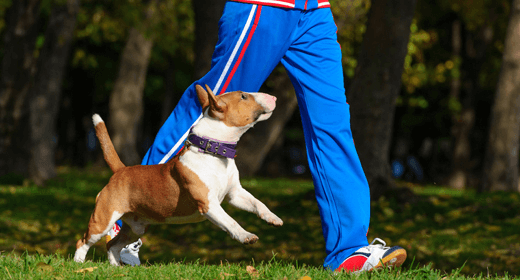
Sporting group dogs are energetic, natural athletes who should get approximately 90 minutes of high-intensity exercise. They enjoy long, brisk walks, hikes in the woods, swimming and playing fetch.


Examples: Retrievers, pointers, setters and spaniels

Blue-collar pooches in the working group are happiest when they have a job to do. They need about one to two hours of fun, pant-inducing activity every day. Take them for long walks or hikes, or create a homemade agility course in your backyard.


Examples: Boxers, Alaskan malamutes, Rottweilers and Siberian huskies

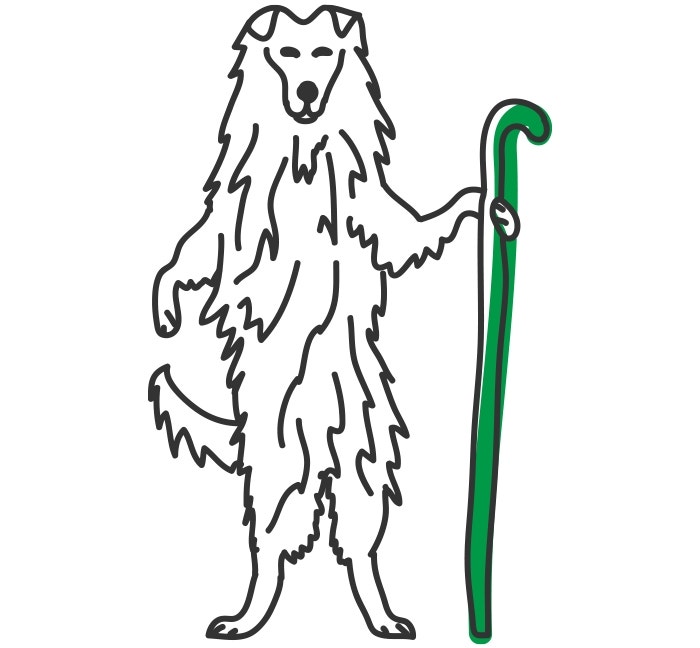
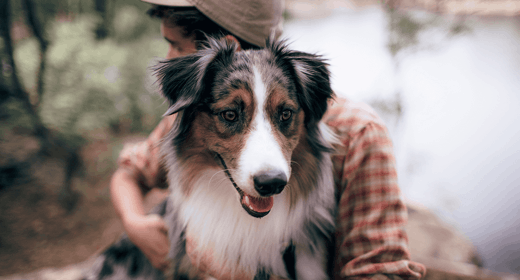
Sixty to 90 minutes of vigorous exercise and play daily? That’s what most high-IQ, high-energy herding group dogs need. You can’t go wrong with activities that challenge them physically and mentally, like long power walks and fun games like fetch, chase and Frisbee.


Examples: Shepherds, collies and sheepdogs

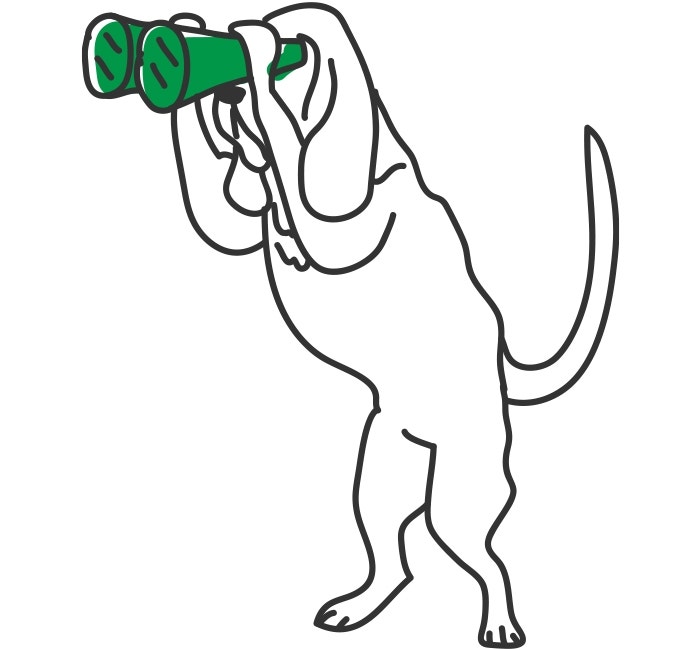
Sight hound dogs need roughly 30 minutes of regular exercise, and scent hound dogs should get about one hour of intense exercise. Take sight hounds on walks or have them do a couple of sprint workouts each week. Scent hounds need longer periods of vigorous activity and love hiking, jogging or playing tracking games in the woods. (Shocking, we know.)


Examples: Afghan hounds, greyhounds, whippets, beagles, bloodhounds and basset hounds

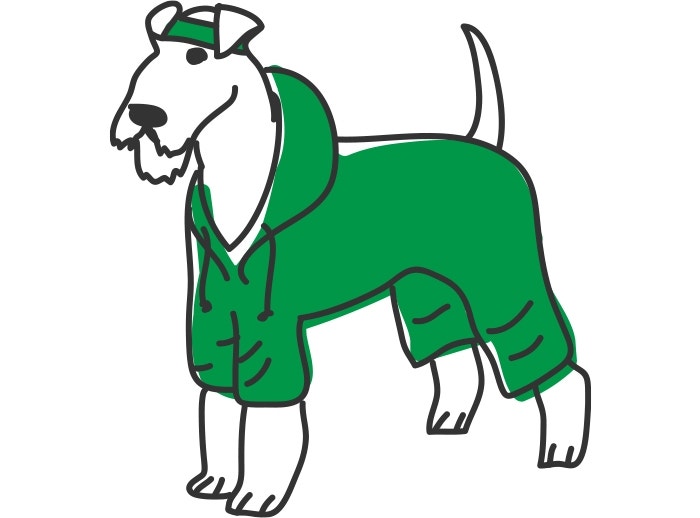
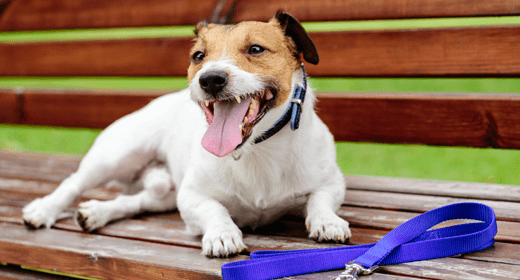
Short-legged terrier group breeds need about 30 minutes of exercise every day, while their longer-legged counterparts need one hour or more. Ideal exercises include fast-paced walks, hikes in the forest and chasing their favorite squeaky ball in the backyard or park.


Examples: Jack Russell terriers, West Highland white terriers (Westies), Yorkshire terriers (Yorkies) and schnauzers

Most petite pups in the toy group are lap dogs, but they should still get approximately 30 to 60 minutes of moderate exercise — they tend to get too husky when they don’t get proper workouts. Plus, toy dogs can really get their hearts pumping in a small area, so consider complementing your daily walks with indoor dog exercise.


Examples: Chihuahuas, Pomeranians and Maltese
 

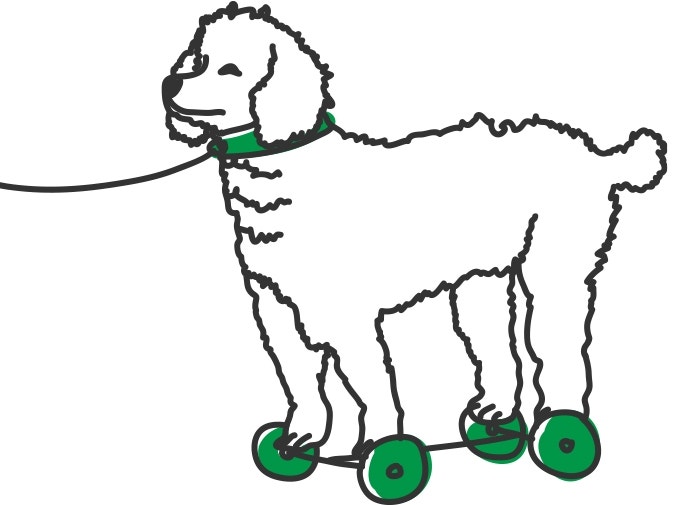
here are a ton of different breeds in the nonsporting group, so start with 30 minutes of daily exercise and adjust. Each breed’s exercise needs are unique, and short-nosed dogs, like bulldogs and Shih Tzus, should only have short periods of moderate activity.


Examples: Dalmatians, bulldogs, chow chows and poodles

If you’re the proud parent of a mutt who’s mushed your heart, just follow the exercise suggestions for the most dominant breed or two. (Or ask your vet!)


Factor in Your Dog’s Age

When figuring out how to exercise with your dog, consider your dog’s age. Each stage has unique exercise requirements.


Puppy Exercise Needs

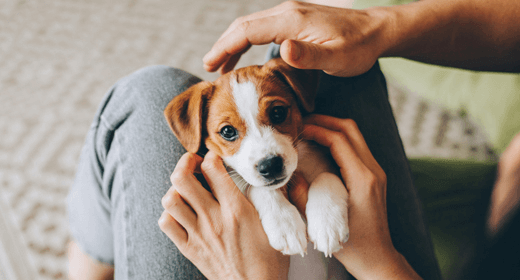
Puppies are balls of energy that do best with short bursts of exercise. (Think zoomies in the backyard.) The best activities are short, easy walks, a few play sessions throughout the day and, of course, obedience training. Avoid long walks and running because they can be too hard on your pup’s growing bones and joints.


Adult Dog Exercise Needs

Healthy adult dogs can do just about anything! Whether it’s walking, running, hiking, swimming, or playing tug-of-war or fetch, they’ll be getting the exercise they need to stay healthy and happy — plus they’ll enjoy spending time with you.


Senior Dog Exercise Needs

Although your senior dog might move at a slightly slower pace than before, they still need exercise and playtime. You may want to shorten walks and fetch time, though, and do other low-impact activities like learning new tricks.


Fuel Your Dog Every Day

Finally, make sure your dog is properly fueled for their next workout. Feed them high-quality, nutritionally balanced IAMS™ food that’s tailored for their unique size and life stage.
How Much Exercise Does My Dog Need?
  • Puppy Basics: Health Care Essentials
    Puppy Basics: Health Care Essentials
    adp_description_block397
    Puppy Health Checklist

    • Share

    Puppies like human babies need additional love, care, and support in their growing age. The first month of a new puppy is critical as it needs the best healthcare, nutrition, and love to grow into a healthy and cheerful dog. Puppy health becomes the primary responsibility of pet parents during this stage. They must ensure preventive care and medical support alongside providing proper nourishment. To know more about the puppy health checklist, read the following.
     

    Puppy health essentials

    Maintaining puppy health is the foremost important duty of every pet parent. Consulting a vet, vaccinating, neutering, and availing regular healthcare check-ups are a few duties of puppy caregivers. Similarly, other puppy preventive care includes:

    • Veterinarian visits: Taking an appointment to see a vet is the first thing puppy caregivers should do. Consulting the vet helps the pet parent understand their fur baby’s healthcare and behavioural requirements. The vet also conducts a thorough health check-up to diagnose the puppy’s allergies or health concerns. Besides, vets also give helpful insights on puppy preventive care and grooming tips to pet parents. Prepare for your puppy's first vet visit by making sure you're ready and well-informed about the experience.
    • Deworming: Worm and parasite treatment is necessary for puppies. Veterinarians often recommend a stool examination on the puppy’s first visit to diagnose worms and parasites. Worms are very common among puppies; hence, vets recommend a deworming session on the puppy’s first visit.
    • Vaccination: Like humans, puppies too need immunity to fight harmful viruses, bacteria, and diseases. To keep your puppy’s health in check, it is important to get them vaccinated against harmful diseases like hepatitis, distemper, rabies, parainfluenza virus, parvovirus, and Bordetella. Make sure that you go through the puppy vaccination guide before consulting your vet. This will help you jot down any questions regarding the vaccination process and schedule. However, as a pet parent, you must know that vaccination is not limited to puppies, adult and senior dogs also need booster shots to fight back fatal diseases.
    • Flea treatment: Ticks and fleas are extremely common in puppies. Getting your puppy treated for fleas and ticks is important for their hygiene and well-being. These parasites treat your fur baby as a host to feed on its blood and suck away all essential nutrients away from its body. Besides, fleas and ticks also cause a lot of irritation to puppies. So, frequent ticks and flea treatment is recommended for the puppy’s health.
    • Health and exercise: Puppies are playful and energetic. Pet parents can build a healthy routine for their fur babies by dedicating a fixed time for walks and playtime. Doing so will keep the puppy entertained and healthy. Spending playtime with the puppy will also help you to establish a strong bond with it. Besides, this also aids in observing the puppy to gauge its development, health, and mood.
    • Balanced diet: Puppies need more energy as they are constantly growing. However, their anatomy is way smaller than the amount of energy they require. Therefore, pet parents need to ensure puppies are fed a well-balanced, nutrient-dense diet. Protein, fibre, vitamins, minerals, and carbohydrates are some essential nutrients required for a puppy’s physical well-being. Moreover, puppies should be fed at least 3 to 4 meals a day to support their nutritional requirements for healthy growth. With IAMS™ puppy food, you can provide your pooch with a nutritionally balanced meal for healthy growth and development. Thanks to our best-quality ingredients, you do not have to worry about digestibility.

    Puppy medical care

    Medical and preventive care is extremely necessary for puppies. Younger puppies are too small to understand what is good or bad for them. Besides, they are also very curious, playful, and energetic during their initial years. This playful and curious nature can sometimes lead to harmful situations.
     

    Puppies often play and munch on random objects, which can sometimes result in toxication. In fact, accidents are also common in puppies as they lack cognitive skills to measure the consequences of their action. Hence, pet parents should pay more attention to their puppy’s growth and development. Some essential puppy health recommendations are as mentioned:

    • Finding a vet: Taking your pup for regular health check-ups is essential for a its adequate growth and development. Consulting a veterinarian will provide useful insights and health tips for the puppy’s well-being. However, before visiting a vet, you should check important details like the doctor’s experience, speciality, and location. You need an experienced vet in or around your vicinity.
    • Health check-up: On visiting the vet, request a few tests to diagnose and treat any abnormalities or diseases. Stool test for internal parasites and head-to-tail examinations for inspecting the puppy’s fur, eyes, ear, mouth, and body are conducted by the vet during your initial visits to diagnose and treat health issues.
    • Feeding medicines: Veterinary doctors prescribe medication or supplements for treating any underlying illness and replenishing vitamin deficiency in puppies. However, feeding medicines to puppies or dogs is not an easy task. Follow the steps given below to learn how to successfully feed medicines to puppies.
    1. Step 1: Start with a play session to relax the puppy. Praise it for good behaviour and sit nearby once it calms down.
    2. Step 2: Keep the pill ready in one hand and gently open the puppy’s mouth using your free hand.
    3. Step 3: Place the pill at the far end of your puppy’s tongue and remove your hand. Now, quickly hold your puppy’s mouth shut and blow gently on its nose. Blowing air on the puppy’s nose will force it to swallow the pill.
    4. Step 4: Offer the fur baby a treat for good behaviour and resume playtime.

    Apart following puppy health checklist, pet parents also need to ensure their fur baby is provided with other basic facilities for their overall growth and development. Training and socializing are as important as providing the best healthcare.
     

    Besides, potty training and command training establishes hygiene and good behavior in them from a young age. To conclude, puppy health, fitness, and training are some of the most essential aspects for the overall growth and development of puppies.

Close modal