Enter a keyword below to search for articles and products.
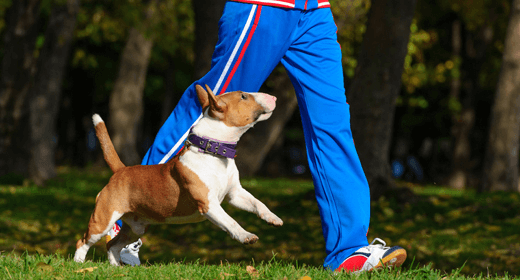
Calling all dog parents! Let’s start with some burning questions: Are you a newbie owner? Is your pooch packing on a few extra pounds? Are they bored? Or treating your loafers like chew toys?
One word: EXERCISE. It’s vital for a healthy, non-problem-child pooch. (And it can be good for your BMI, too!)
Your dog’s breed and age are the two factors that determine how much exercise they need. Check out these tips to be sure your pooch is getting the right amount of physical activity every day.
Your dog’s breed group helps determine their exercise needs.
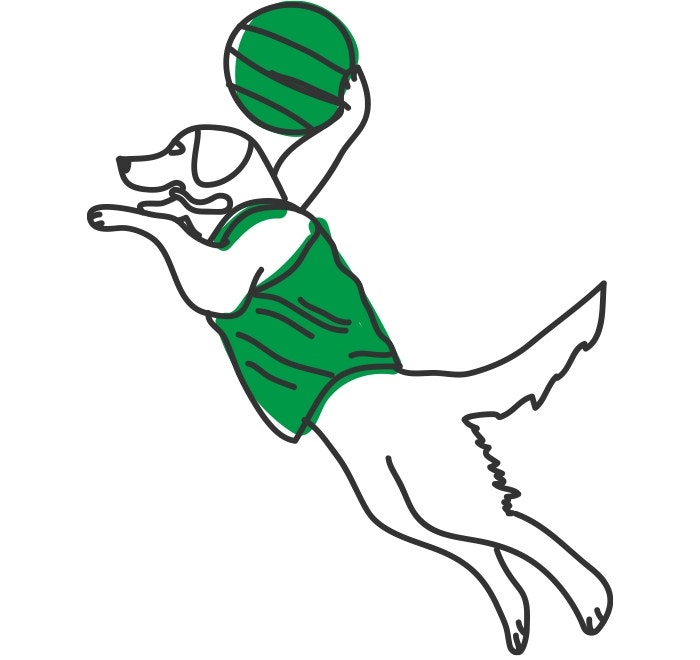
Sporting group dogs are energetic, natural athletes who should get approximately 90 minutes of high-intensity exercise. They enjoy long, brisk walks, hikes in the woods, swimming and playing fetch.
Examples: Retrievers, pointers, setters and spaniels
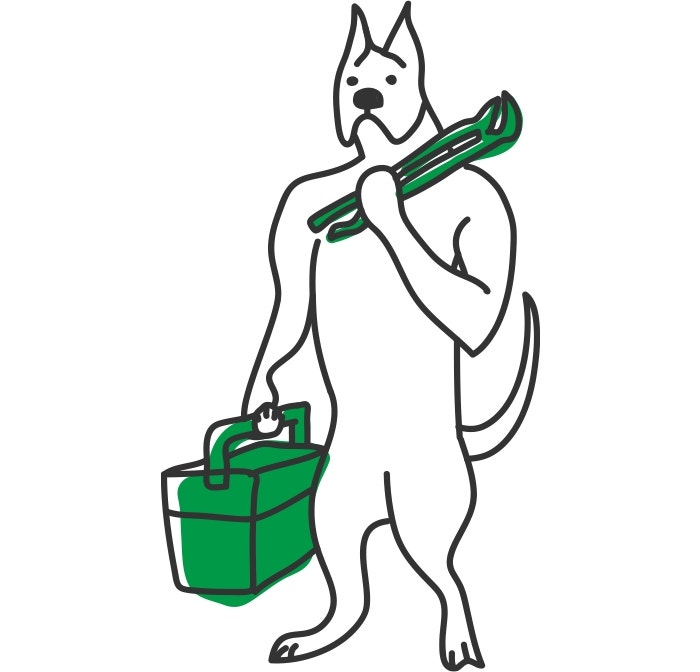
Blue-collar pooches in the working group are happiest when they have a job to do. They need about one to two hours of fun, pant-inducing activity every day. Take them for long walks or hikes, or create a homemade agility course in your backyard.
Examples: Boxers, Alaskan malamutes, Rottweilers and Siberian huskies
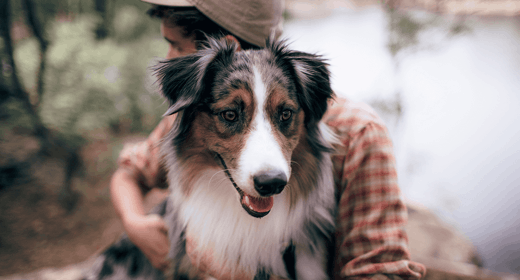
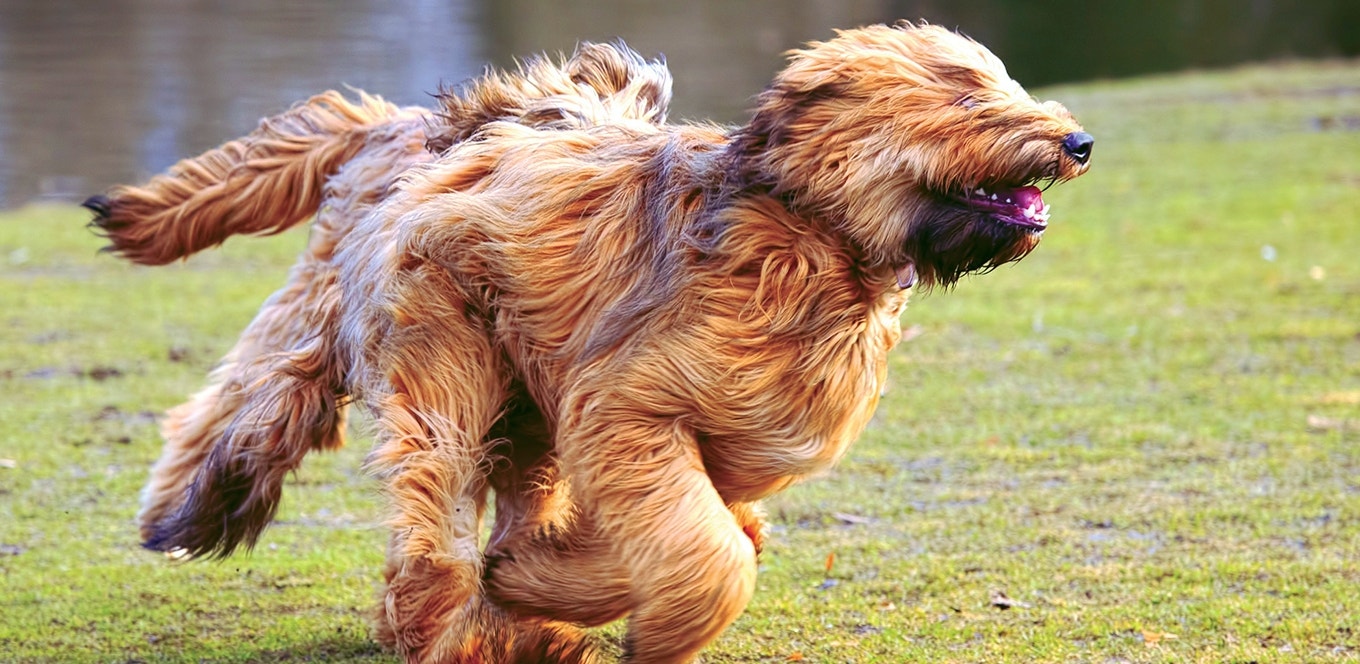
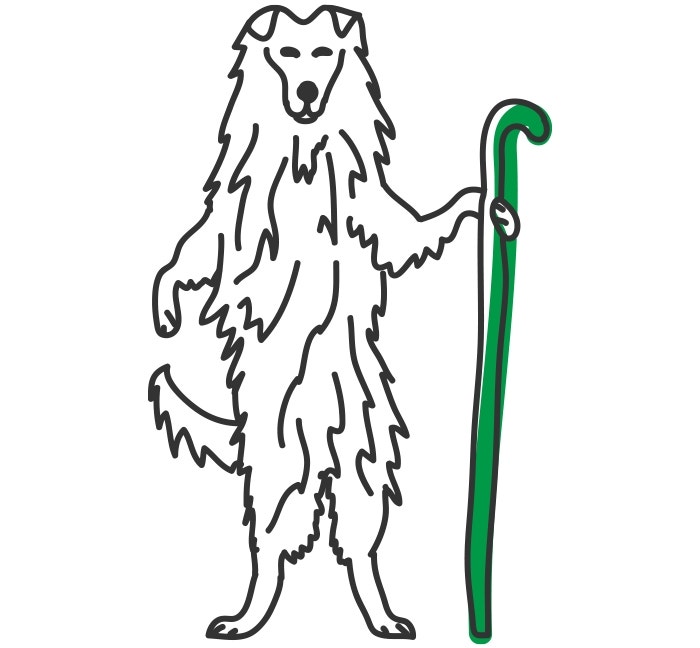
Sixty to 90 minutes of vigorous exercise and play daily? That’s what most high-IQ, high-energy herding group dogs need. You can’t go wrong with activities that challenge them physically and mentally, like long power walks and fun games like fetch, chase and Frisbee.
Examples: Shepherds, collies and sheepdogs
Sight hound dogs need roughly 30 minutes of regular exercise, and scent hound dogs should get about one hour of intense exercise. Take sight hounds on walks or have them do a couple of sprint workouts each week. Scent hounds need longer periods of vigorous activity and love hiking, jogging or playing tracking games in the woods. (Shocking, we know.)
Examples: Afghan hounds, greyhounds, whippets, beagles, bloodhounds and basset hounds
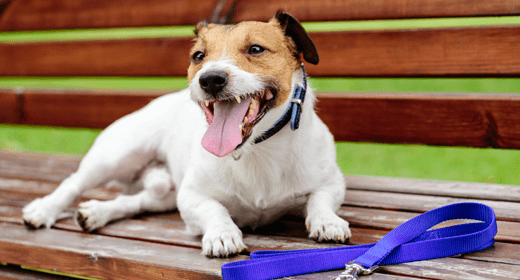
Short-legged terrier group breeds need about 30 minutes of exercise every day, while their longer-legged counterparts need one hour or more. Ideal exercises include fast-paced walks, hikes in the forest and chasing their favorite squeaky ball in the backyard or park.
Examples: Jack Russell terriers, West Highland white terriers (Westies), Yorkshire terriers (Yorkies) and schnauzers
Most petite pups in the toy group are lap dogs, but they should still get approximately 30 to 60 minutes of moderate exercise — they tend to get too husky when they don’t get proper workouts. Plus, toy dogs can really get their hearts pumping in a small area, so consider complementing your daily walks with indoor dog exercise.
Examples: Chihuahuas, Pomeranians and Maltese
here are a ton of different breeds in the nonsporting group, so start with 30 minutes of daily exercise and adjust. Each breed’s exercise needs are unique, and short-nosed dogs, like bulldogs and Shih Tzus, should only have short periods of moderate activity.
Examples: Dalmatians, bulldogs, chow chows and poodles
If you’re the proud parent of a mutt who’s mushed your heart, just follow the exercise suggestions for the most dominant breed or two. (Or ask your vet!)
When figuring out how to exercise with your dog, consider your dog’s age. Each stage has unique exercise requirements.
Puppies are balls of energy that do best with short bursts of exercise. (Think zoomies in the backyard.) The best activities are short, easy walks, a few play sessions throughout the day and, of course, obedience training. Avoid long walks and running because they can be too hard on your pup’s growing bones and joints.
Healthy adult dogs can do just about anything! Whether it’s walking, running, hiking, swimming, or playing tug-of-war or fetch, they’ll be getting the exercise they need to stay healthy and happy — plus they’ll enjoy spending time with you.
Although your senior dog might move at a slightly slower pace than before, they still need exercise and playtime. You may want to shorten walks and fetch time, though, and do other low-impact activities like learning new tricks.
Finally, make sure your dog is properly fueled for their next workout. Feed them high-quality, nutritionally balanced IAMS™ food that’s tailored for their unique size and life stage.



Dog multivitamins have become an increasingly popular supplement in pet care, designed to support overall canine health and well-being. Just as humans benefit from a balanced diet, dogs also require essential vitamins and minerals to maintain optimal health. These supplements are formulated to fill potential nutritional gaps in a dog's diet, ensuring they receive the necessary nutrients for proper growth, immune function, and energy levels. Multivitamins can be particularly beneficial for dogs with specific dietary restrictions, older dogs, or those recovering from illness. However, it is essential for pet parents to consult with veterinarians to determine the appropriate supplement and dosage for their furry companions.
Vitamins for dogs are essential organic compounds crucial for various physiological functions in both humans and dogs. These micronutrients, including A, B-complex, C, D, and E vitamins, play key roles in immune function, bone health, energy metabolism, and skin maintenance. Multivitamins for dogs consolidate these vital nutrients, providing a comprehensive and balanced nutritional boost to address potential dietary deficiencies.
If you are looking for vitamins for dogs in the Philippines, the IAMS dog supplement range has you covered. Tailored for canine needs, these supplements are particularly beneficial for dogs with specific health conditions, dietary restrictions, or those requiring additional support for overall well-being.
Yes, multivitamins and vitamins for dogs can prove to be very useful, especially in specific life stages or health situations. While quality dog food is designed to meet most nutritional needs, supplements become more valuable for puppies, seniors, pregnant or lactating females, and dogs with health conditions. These stages are the most crucial and are the best time to give multivitamins to dogs.
Caution is crucial, as human vitamins can be harmful to dogs. Consulting a veterinarian is essential to determine if supplementation is necessary, ensuring the right dosage and nutrient balance. Veterinarians assess the dog's health, diet, and medical history to provide tailored recommendations, enhancing well-being without posing risks. Judicious use of vitamins, under veterinary guidance, can benefit certain canine companions.
Integrating dog multivitamins into your furry baby’s diet offers a spectrum of benefits. These supplements contribute to enhanced immune function, promoting resilience against illnesses. Additionally, they support healthy skin and coat, minimising issues like dryness and shedding. For puppies, vitamins aid in proper growth and development, while senior dogs may experience increased vitality and joint support. Multivitamins are particularly valuable for dogs with specific health concerns, such as joint problems or allergies. Overall, vitamins for dogs act as nutritional insurance, ensuring that dogs receive the essential elements vital for their overall health and vitality.
When administered thoughtfully and under veterinary guidance, dog multivitamins can prove to be extremely beneficial. While quality dog food provides essential nutrients, supplementation becomes crucial in addressing specific needs or potential deficiencies. However, it is vital to avoid self-prescribing human vitamins, as certain substances can be toxic to dogs. Professional advice ensures that the supplementation is tailored to the dog's unique requirements, promoting overall well-being without adverse effects. Responsible use of vitamins, guided by a veterinarian, can contribute to a dog's health and vitality.
Ensuring your furry friend receives the right balance of vitamins and minerals is crucial for their overall health. While a well-balanced diet is the foundation of canine nutrition, certain situations may call for certain good vitamins for dogs as additional support. This is where vitamin and mineral supplements come into play. Dog multivitamins are specially formulated to address potential nutrient gaps, supporting everything from immune function to bone health.
In addition to supplements, incorporating nutrient-dense foods into your dog's diet is essential. Some of the best dog vitamin sources are:
Meat: Lean meats like chicken and turkey provide essential proteins, vitamins, and minerals such as B vitamins, iron, and zinc.
Fish: Fatty fish like salmon and mackerel are rich in omega-3 fatty acids, promoting a healthy coat and supporting cardiovascular health.
Vegetables: Dark, leafy greens such as spinach and kale offer vitamins A, C, and K, as well as minerals like calcium and iron.
Fruits: Berries, apples, and bananas are not only tasty treats but also provide vitamins and antioxidants.
Dairy: Plain yoghurt and cheese supply calcium and probiotics, benefiting bone health and digestion.
Balancing your dog's diet with both high-quality dog food and these natural sources can contribute to their overall well-being, reducing the need for excessive reliance on supplements. Always consult with your veterinarian to tailor your dog's nutritional plan based on their specific needs.
Vitamins and minerals are indispensable for a dog's overall health, playing pivotal roles in various physiological processes. These micronutrients act as catalysts for enzymatic reactions, supporting metabolism, growth, and energy production. Calcium and phosphorus, for instance, are crucial for bone health, ensuring proper skeletal development and strength. Iron is essential for oxygen transport in the blood, while zinc promotes skin health and wound healing. These micronutrients collectively contribute to the maintenance of a dog's immune system, vision, and cardiovascular health. Recognising the importance of vitamins and minerals underscores the significance of a well-rounded and nutritionally balanced diet, supplemented as needed, to meet the unique requirements of individual dogs.
The incorporation of vitamins and minerals into a dog's diet through supplements or nutrient-rich foods is a proactive approach to ensuring their overall well-being. While high-quality dog food serves as a foundation, targeted supplementation can address specific needs and contribute to a dog's vitality at different life stages. Consulting with a veterinarian is paramount, as they can provide tailored recommendations based on a dog's health profile. By understanding the benefits and importance of these micronutrients, pet parents can take informed steps to optimise their canine’s nutrition with the best dog multivitamins, supporting a happy, healthy, and thriving life for their furry friends.