Enter a keyword below to search for articles and products.


Many factors influence the overall health of your dog’s skin and coat: His diet and grooming schedule, the presence of parasites and seasonal changes can all play a role. Whether your dog is prone to skin issues or you want to ensure your pup’s health for years to come, you’ll need to keep a few key things in mind.
Regular veterinary checkups will ensure that your dog is disease- and parasite-free. Flea-bite allergy and external parasites, such as mange, are primary causes of hair loss and skin problems.
In addition to scheduling checkups, check your dog’s hair and skin at least once a week for signs of fleas (flea dirt or bites), mange or other skin conditions, and hair loss.
If your dog’s skin seems thick or scaly or lacks elasticity, or if you notice hair loss, these signs might indicate a nutritional deficiency. Check with your veterinarian, and try feeding him a premium food. It will usually take between six and eight weeks after a diet change to see results. If your pet continues to scratch and chew his skin, consult a veterinarian.
When looking for a dog food that will promote good skin and coat health, keep the following in mind:
What's the best thing you can do for your dog’s skin and coat health? Feed a high-quality food packed with protein, such as IAMS™ ProActive Health™ Adult MiniChunks. Dogs are best fed as carnivores: They need protein and thrive on diets rich in animal-based protein sources. Additionally, their hair is actually 95% protein! Although coat growth varies by breed, the combined growth of all the hair can add up to 100 feet per day in some dogs. This means that nearly 30% of the animal’s daily protein requirement is used just for coat growth during some seasons.
Premium pet foods are carefully formulated to be complete and balanced, which means the food includes all of the nutrients your pet needs. Ingredients in premium foods are highly digestible so your dog's body uses the nutrients efficiently. Less costly foods might contain lower-quality proteins. Though a bag of premium food may cost a bit more than other brands, you might be able to feed less, which minimizes the cost difference.
It’s easy to spot a healthy-looking dog: He has a gleam in his eye, a bounce in his step and a glossy, healthy coat. That glow is a reflection of your dog’s overall health and a good gauge of what’s going on inside and outside.
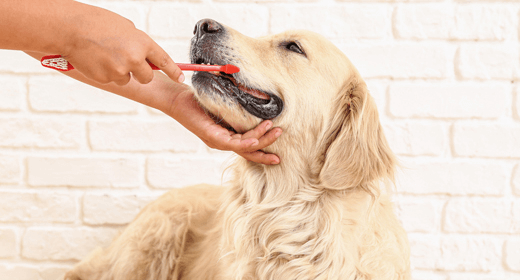
Regular grooming helps take care of the “outside” by removing loose hair, dirt and mats, and distributing skin oils. Grooming lets you check your pet closely, catching any skin problems early. Plus, your dog will love the attention!
As dogs age, their skin might become more sensitive. Select a mild dog shampoo for your older dog. Shampoos made from coconut or palm oils are the mildest. Unusual or “doggy” odors can signal disease, so if odors persist, contact your veterinarian. Do not use human shampoos because they are often too harsh for a dog’s skin.
When bathing your dog, be sure to rinse him thoroughly. Residue left on the skin can be irritating. You might want to follow the shampoo with a hair conditioner to control static electricity and add extra body or sheen.
During the summer, pay close attention to your dog’s skin and coat. Many dogs shed a winter coat and others face flea problems, so it’s a good time to evaluate your dog’s skin and coat condition to nip any problems in the bud.
Attention to your dog's coat and skin from the inside out will produce a healthy, lively dog that is a joy to look at — and a pleasure to live with — every day!




Providing dogs with vitamins, minerals, and other nutritional components is important to their health and well-being. The best way to do so is by feeding a high-quality complete and balanced diet. Supplementing dog food often upsets the balance and may lead to a variety of health problems.
People supplement their dog's diet for different reasons. Some of these reasons might include:
It is important for concerned pet owners to realize that a quality dog food is carefully formulated to meet the caloric needs of the animal. In addition, the food provides the essential amino acids, fatty acids, vitamins, and minerals specific to the nutritional requirements of dogs. Quality foods are complete and balanced for a specific life stage or lifestyle. By adding table scraps or other supplements, the delicate nutrient balance can be disrupted.
The interaction between different minerals is very complex. Fortunately, this is an area of nutrition that has been the focus of extensive research throughout many years. Research has shown that not only are the individual levels of minerals in a diet important, but so is the proper balance. An excess of one mineral may affect the absorption of a second, and lead to a deficiency in that second mineral.
One common supplement is feeding additional meat. However, because meat contains 20 to 40 times more phosphorus than calcium, adding meat to a balanced diet will upset the calcium to phosphorus (or Ca:P) ratio, which is important for proper bone development and maintenance. This may prompt the animal's body to absorb calcium from the bones in order to reach the right balance. This is often the case in older animals that experience tooth loss due to the resorption of bone from the lower jaw. Ca:P ratio should range between 1.1 to 1.4 parts of calcium for each 1 part of phosphorus.
Excess amounts of calcium have been associated with several bone diseases affecting growing puppies. Owners of large-breed puppies in particular believe that their puppies require extra calcium for proper development of large bones. Adding yogurt, cottage cheese, or calcium tablets to the pup's diet will only upset the body's delicate mineral balance. Remember that large-breed puppies will consume more food and receive the calcium their bodies need by eating the recommended portions. The best way to support a normal growth rate is to feed growing dogs adequate—but not excessive—amounts of a balanced diet, using a portion-controlled regimen.
The Association of American Feed Control Officials (AAFCO) regulates the pet food industry and has established certain nutritional requirements for dogs and cats. These requirements are published annually in the AAFCO Manual. Only pet foods that have met the strict testing criteria established by AAFCO can carry the 'complete and balanced' statement on the label.