Enter a keyword below to search for articles and products.
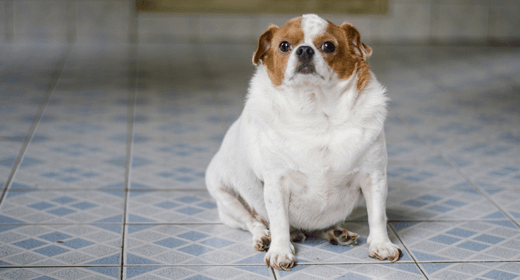
Have you ever wondered why some dogs seem a bit heavier than they should be? Dogs, like humans, can face weight issues, and it's crucial to ensure that they are in their best shape. In today's world of treats and limited exercise, more and more pet parents find themselves asking, 'Why is my dog fat?'. Dealing with dogs and weight loss can be tricky to work along if you don’t know how to go about on this journey of weight loss in dogs. Yet, how should you know if your dog is gaining weight and how to make your dog lose weight?
These days, dogs are grappling with weight issues. And as a dog parent, you must take a closer look at your pet’s body condition. Be curious about questions like, can you feel your dog's ribs easily? Is there a visible waistline? These observations play an essential role in assessing whether your canine companion needs assistance in the weight department. If you find your dog needing help with weight loss, then you must act promptly. Let's explore canine weight management and how to help dog lose weight.
Maintaining a healthy weight for your dog is not just about the appearance; it's about their overall well-being. Dogs with excess weight face health risks, including diabetes and heart diseases. Understanding why your dog is gaining weight would be the first step towards ensuring a longer and healthier life for your furry friend. Overweight and obese dogs often have shorter life spans, emphasising the need to act promptly. This is why it is essential for you to start considering weight loss by providing your pooch with a healthy and hearty lifestyle.
Struggling with dogs and weight loss can be stressful for pet parents. However, fret not. Here is what you need to do to start your dog’s journey towards weight loss:
A balanced diet contains all essential nutrients required for your pooch’s healthy growth. Consulting your vet for a tailored meal plan is suggested when planning your dog’s weight loss journey. It is also important to choose high-quality, low-calorie dog food to maintain a balanced diet. Portion control should be practiced to avoid overfeeding and excessive calorie intake.
One of the key elements to dogs losing weight is regular and consistent exercise. Develop a regular exercise routine tailored to your dog's breed and age. Take your floof for brisk walks, play a game of fetch, or simply plunge into the pool for swimming to keep them active. Gradually increase the intensity and duration of exercise for gradual weight loss. It is also recommended to combine regular exercising with healthier food for best results.
Your pooch’s weight problem can also be linked to numerous medical conditions. It is best to schedule regular vet visits to rule out underlying health issues causing weight gain. Conditions like thyroid problems may contribute to weight gain in dogs. Discuss appropriate medications or supplements with your vet for well-guided canine weight loss.
Consistently monitor your dog's progress and adjust the plan as needed. Gradual weight loss is ideal to prevent health complications. If you notice your fur baby losing or gaining too much weight within a short period, then you should get them checked by a vet. Stick to the plan even after your dog achieves their target weight for overall well-being.
While it's essential to encourage weight loss, it's equally crucial to ensure your dog doesn't lose weight too quickly or in an unhealthy manner.
While shedding that extra weight is essential, you need to make sure your fur baby’s weight loss journey is healthy and effective for a longer period. Given below are a few things you should be mindful of to avoid abnormal weight loss in dogs:
Helping your dog achieve and maintain a healthy weight is essential for their overall well-being. By following the aforementioned steps, consulting your vet, and observing your furry friend closely, you can contribute to a happier life together. Create a healthy weight loss plan, so your dog leads a happy life.
Regular exercising, healthy eating, and treating any underlying illness can lead to adequate weight loss in dogs.
Dog’s ideal weight is determined by its breed, age, and size. If you feel your dog is turning lethargic, low in energy, and overeating then it might be overweight.
Overeating or odd eating habits, lesser energy, little to no exercise, and poor frequent illness are some of the many signs of an unhealthy dog.
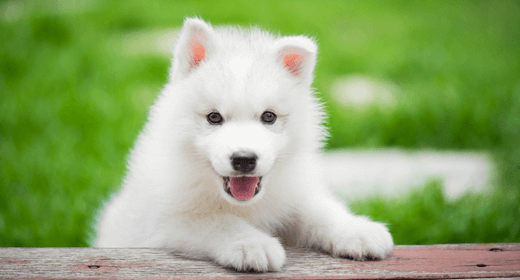
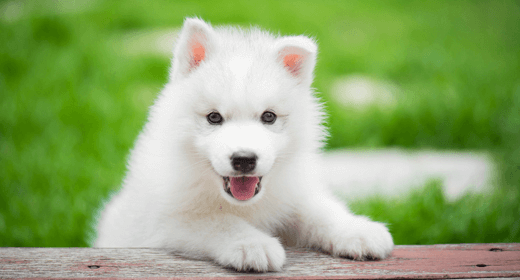
Puppies like human babies need additional love, care, and support in their growing age. The first month of a new puppy is critical as it needs the best healthcare, nutrition, and love to grow into a healthy and cheerful dog. Puppy health becomes the primary responsibility of pet parents during this stage. They must ensure preventive care and medical support alongside providing proper nourishment. To know more about the puppy health checklist, read the following.
Maintaining puppy health is the foremost important duty of every pet parent. Consulting a vet, vaccinating, neutering, and availing regular healthcare check-ups are a few duties of puppy caregivers. Similarly, other puppy preventive care includes:
Medical and preventive care is extremely necessary for puppies. Younger puppies are too small to understand what is good or bad for them. Besides, they are also very curious, playful, and energetic during their initial years. This playful and curious nature can sometimes lead to harmful situations.
Puppies often play and munch on random objects, which can sometimes result in toxication. In fact, accidents are also common in puppies as they lack cognitive skills to measure the consequences of their action. Hence, pet parents should pay more attention to their puppy’s growth and development. Some essential puppy health recommendations are as mentioned:
Apart following puppy health checklist, pet parents also need to ensure their fur baby is provided with other basic facilities for their overall growth and development. Training and socializing are as important as providing the best healthcare.
Besides, potty training and command training establishes hygiene and good behavior in them from a young age. To conclude, puppy health, fitness, and training are some of the most essential aspects for the overall growth and development of puppies.