IAMS MY
A Healthy Diet for Your Dog Can Mean Good Health for You
A Healthy Diet for Your Dog Can Mean Good Health for You-mob

adp_description_block401
A Healthy Diet for Your Dog Can Mean Good Health for You

  • Share

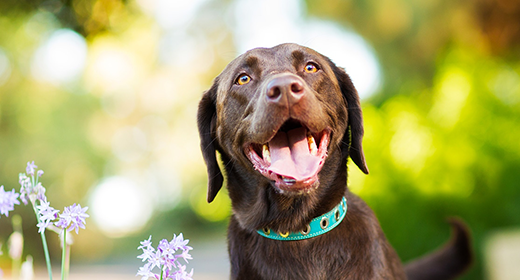
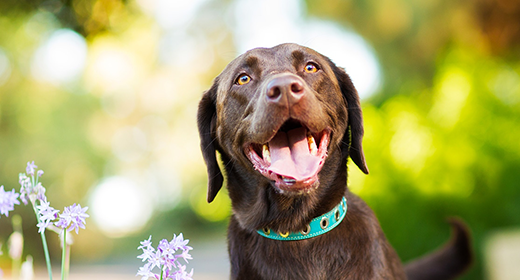
As a veterinarian, I’ve found that pet owners take seriously the responsibility of ensuring their dogs live healthy, happy lives. They worry about making sure their dog gets enough exercise, receives regular wellness checks and receives balanced nutrition that gives them energy to run and play.
 

What some people don’t realize is that owning and caring a dog can improve the owner’s health as well. Spending quality time with your dog and providing them with quality nutrition is good for the dog and can help ease stress and anxiety levels for you. Studies have shown that owning a pet can decrease blood pressure, cholesterol levels and triglyceride levels — which is great news for your heart health.
 

In short, when your dog is getting the best care, proper exercise, nutrition and love, they can enjoy a long and healthy life. And that can ultimately make you healthier, too!


So what does that mean when it comes to feeding your dog?

Many owners see their dog as part of the family, and that sometimes means they will feed their dog like they feed themselves. For example, some people may choose low-carb or gluten-free diets for themselves and do the same for their pets. However, while this instinct comes from a place of love, many owners don’t realize that their dog’s dietary needs differ from their own.
 

Take grains for example. As a veterinarian, it’s important for me to note that grains are good for your dog. Yes, you read that right — they’re good!
 

A very small percentage of dogs may have a food sensitivity that requires a special grain-free diet or a dog food without a certain protein. However, this is not necessary for the vast majority of dogs. Most dogs benefit from a complete, balanced diet with healthy grains, high-quality proteins and essential vitamins and minerals.
 

Here’s why: Grains are a good source of carbohydrates that provide healthy energy. Some grains, like rice and wheat, provide “quick” energy, while other grains, like barley and sorghum, take longer to convert to energy. A combination of these different grains can offer a time-released energy source that helps dogs sustain energy. The whole grains in IAMS dog food are a beneficial mix, as they supply steady energy.
 

In addition to the grains you’ll find in IAMS food, you’ll also find high-quality proteins, like chicken and lamb, as well as essential nutrients needed to help support heart health. Together, this combination will give your dog a steady source of energy to be active on walks, runs, hikes or play sessions around the house.
 

For your dog to be healthy and happy, be sure you feed them a well-balanced diet and allow them enough exercise time. In return, you’ll get unconditional love, plenty of sweet doggy snuggles and maybe even more exercise — just a few of the ways you and your dog are joined at the heart.

 A Healthy Diet for Your Dog Can Mean Good Health for You
  • Keeping Your Dog Safe from Fleas and Ticks
    Keeping Your Dog Safe from Fleas and Ticks
    adp_description_block428
    Keeping Your Dog Safe from Fleas and Ticks

    • Share

    Dogs bring us immense joy and companionship, and we naturally want them to live happy and healthy lives. However, a hidden threat lurks in the shadows, capable of jeopardising the health of our furry friends: infestations of fleas and ticks. These tiny parasites, barely visible to the naked eye, pose a significant danger, requiring our vigilance and prompt action to protect the ones we love.
     

    Lifecycle of fleas and ticks

    To effectively protect your dog, it's crucial to understand the lifecycles of these parasites.
     

    Fleas:

    Fleas have a four-stage life cycle:

    • Egg: Adult female fleas lay eggs on your dog after feeding. These eggs are tiny, white, and fall off into the surrounding environment, often carpets, bedding, and cracks in the floor.
    • Larva: After hatching, the flea larvae become small, worm-like creatures that feed on organic matter in their environment.
    • Pupa: Larvae eventually spin a protective cocoon and enter the pupal stage. This stage can be dormant for months, making them difficult to eliminate.
    • Adult: Adult fleas emerge from the pupae, ready to jump onto your dog, feed on their blood, and lay eggs, restarting the cycle.

    Ticks:

    Ticks, while different in their lifecycle, pose a similar threat. They follow these stages:

    • Egg: Adult female ticks lay thousands of eggs in the environment, often in tall grass or wooded areas.
    • Larva: After hatching, tick larvae are six-legged and actively seek a host. They climb onto a dog's body and feed on its blood for several days before dropping off to molt.
    • Nymph: The larvae develop into eight-legged nymphs, requiring another blood meal to grow.
    • Adult: Adult ticks seek a final blood meal, attaching to a dog and feeding for several days before detaching to mate and lay eggs, completing the cycle.

    Symptoms of flea and tick infestation

    Early detection is key in managing these parasites.
     

    Fleas on dogs:

    Fleas are small, wingless insects that feed on the blood of dogs. They can cause various problems for your dog, including:

    • Excessive scratching: This is the most common symptom of fleas on dogs. The itching is caused by the flea bites and the allergic reaction your dog's skin has to the flea saliva.
    • Hair loss: Fleas can cause hair loss, especially around the base of the tail and on the belly.
    • Irritated skin: Flea bites can cause red, irritated skin.
    • Pale gums: In severe cases of flea infestation, your dog may develop anemia, which can cause pale gums.
    • Flea dirt: Flea dirt refers to the waste produced by fleas. It looks like small, black specks and can be found in your dog's fur or on their bedding.

    Ticks on dogs:

    Ticks are larger than fleas and have eight legs. They latch onto your dog's skin and feed on their blood. Ticks can transmit various diseases to dogs, including Lyme disease, anaplasmosis, and Rocky Mountain spotted fever. Here are some signs of ticks on your dog:

    • Look for them on your dog's head, neck, ears, paws, and groin.
    • Red, swollen bumps: Ticks leave a red, swollen bump on your dog's skin after they have attached themselves.
    • Lethargy: Your dog may seem lethargic or tired if they have a tick infestation.
    • Fever: A fever can be a sign that your dog has a tick-borne illness.

    Treatments for fleas and ticks

    Once you've identified an infestation, prompt and effective treatment is essential.
     

    Dog flea treatment:

    When dealing with fleas on dogs, a multi-pronged approach is often necessary. Here are some effective options:

    • Oral medications: These chewable tablets offer long-lasting protection against fleas and are easy to administer.
    • Topical treatments: These spot-on solutions are applied directly to your dog's skin between the shoulder blades. They provide effective flea control and may also repel ticks.
    • Flea shampoos and sprays: While not as long-lasting as oral medications or topical treatments, these products can help kill existing fleas on your dog. They can also be used in conjunction with other treatments for a more comprehensive approach.

    Consulting your veterinarian is crucial when choosing a flea treatment, as they can recommend the most appropriate option based on your dog's age, breed, and specific needs.
     

    Dog tick treatment:

    If you find a tick attached to your dog, it's essential to remove it promptly and safely. Here's how:

    • Use a pair of fine-tipped tweezers, ensuring to grip the tick as near to the skin's surface as feasible.
    • Gently yet firmly extract the tick using a straight, steady motion. Avoid twisting or crushing the tick, as this can release more saliva into the bite.
    • Once the tick is removed, place it in a sealed container and dispose of it properly. Do not crush it or flush it down the toilet.
    • Clean the bite site with alcohol or antiseptic wipes.

    Monitor your dog for any signs of infection, such as redness, swelling, or fever. If you notice any concerns, consult your veterinarian immediately.
     

    Important tip: Avoid using home remedies like petroleum jelly or matches to remove ticks, as these can cause the tick to release more saliva and potentially increase the risk of disease transmission.
     

    Flea and tick prevention for dogs

    A proactive approach is the best way to protect your dog from these pests.
     

    Early detection and elimination:

    • Regular checks: Inspect your dog's fur and skin, particularly around the head, ears, neck, and armpits, for signs of fleas or ticks on dogs.
    • Grooming: Brushing your dog regularly helps remove fleas and debris, making it easier to spot potential infestations.
    • Thorough cleaning: Wash your dog's bedding and regularly vacuum your home to eliminate any existing fleas and prevent future infestations.

    Proactive protection:

    • Year-round prevention: Don't let your guard down during cold weather. Fleas and ticks can survive indoors and remain active throughout the year.
    • Environmental treatment: If you suspect a flea or tick infestation in your home or yard, consult a pest control professional for effective treatment.
    • Travel precautions: Be extra vigilant when traveling with your dog, as new environments may harbour different parasite populations.

    Protecting your dog from fleas and ticks is crucial for their health and well-being. By implementing a regular prevention routine, combining medication with vigilance and proper hygiene, you can keep your furry friend safe and comfortable. Remember, consulting your veterinarian for personalised advice is the best way to ensure the most effective approach for your dog's specific needs.

Close modal