Enter a keyword below to search for articles and products.
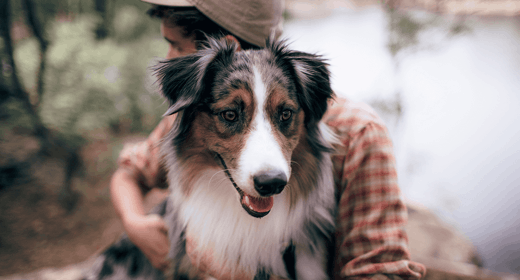
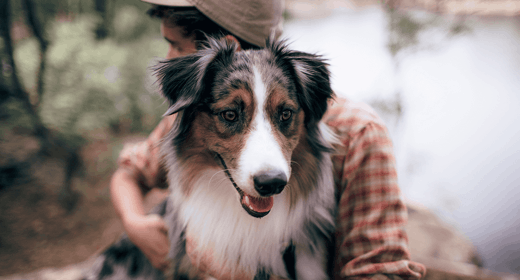
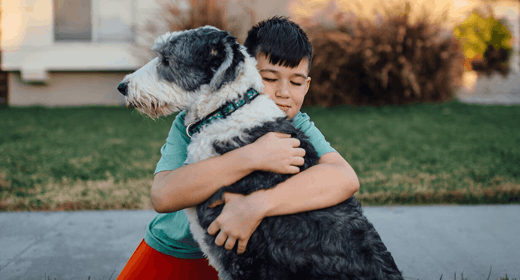
Most humans recognise a hug as a sign of affection and close friendship. That is exactly why we feel this strong urge to hug dogs out of love. After all, they are the best type of best friends. As pet parents, we love greeting our pawsome pals with dog hugs. However, do dogs like hugs? In an IAMS™ survey*, 83% of dog parents say their dog likes hugs too. Is this true? We’re going to try and get an answer to this question.
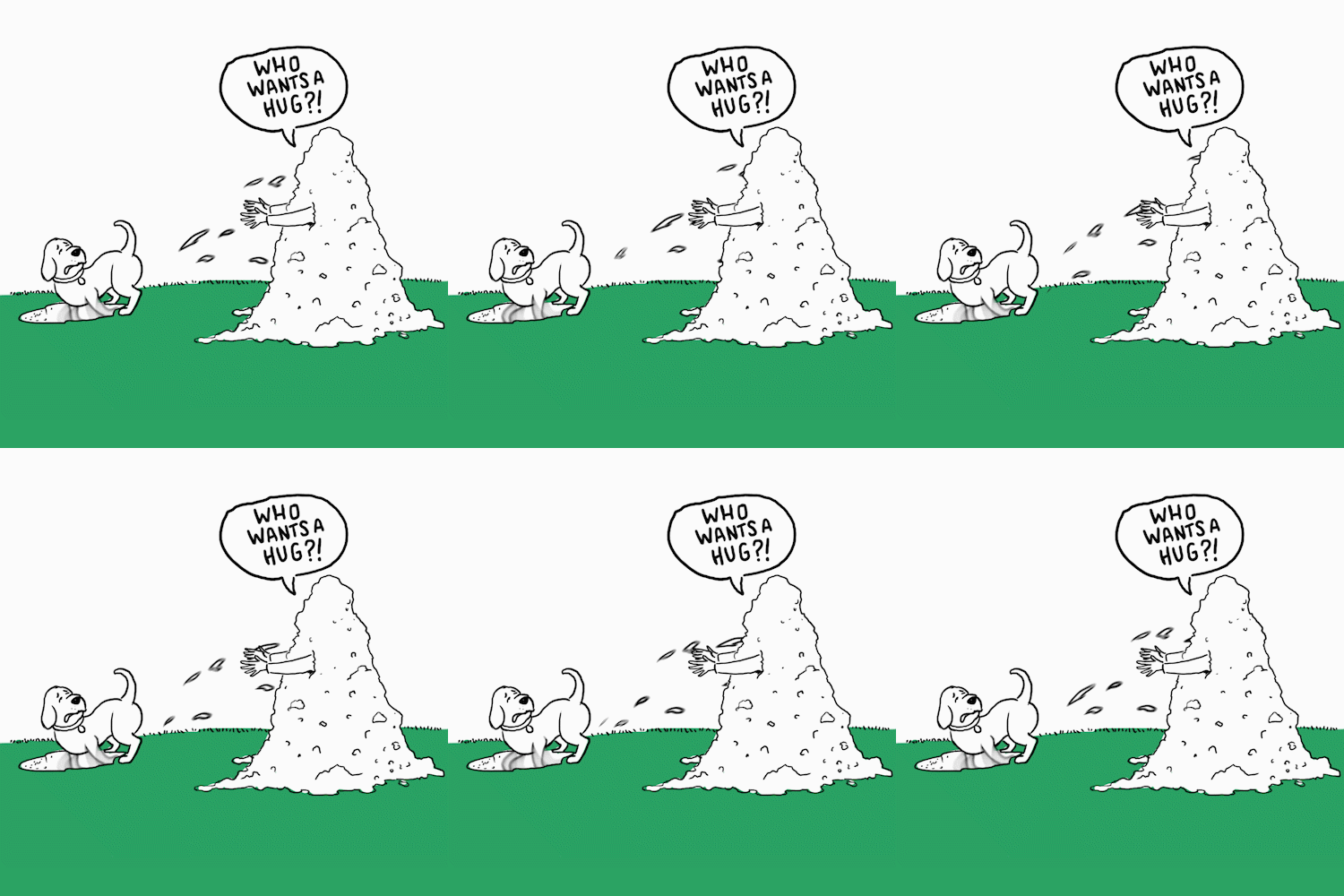
The short answer is no. Dogs do not like hugs. Now, let’s look at a bit of an explanation to this.
Some dogs enjoy canine cuddles, but usually only with their owner or household members. Otherwise, they don’t care about it. “Hugging is too much and overwhelming for many dogs and should be discouraged if the dog doesn’t know the individual very well”, advises James Serpell, B.Sc., Ph.D., Professor of Humane Ethics & Animal Welfare at the University of Pennsylvania School of Veterinary Medicine.
So, why don’t dogs like hugs? To understand this, we may need to look at what a dog really feels when you try to hug it.
Here is what your pooch probably experiences when you try to engulf it in an embrace:
Hugging is human behaviour and not dog behaviour. These animals are just not physically built for that kind of interaction. We stand upright, so we face people. Dogs are on all fours, making hugging an unnatural act for them. Hence, they prefer a friendly sniff.
To dogs, a hug comes off as dominating behaviour; it feels like someone is trying to assert control over them. It can be stressful, especially if done by a stranger.
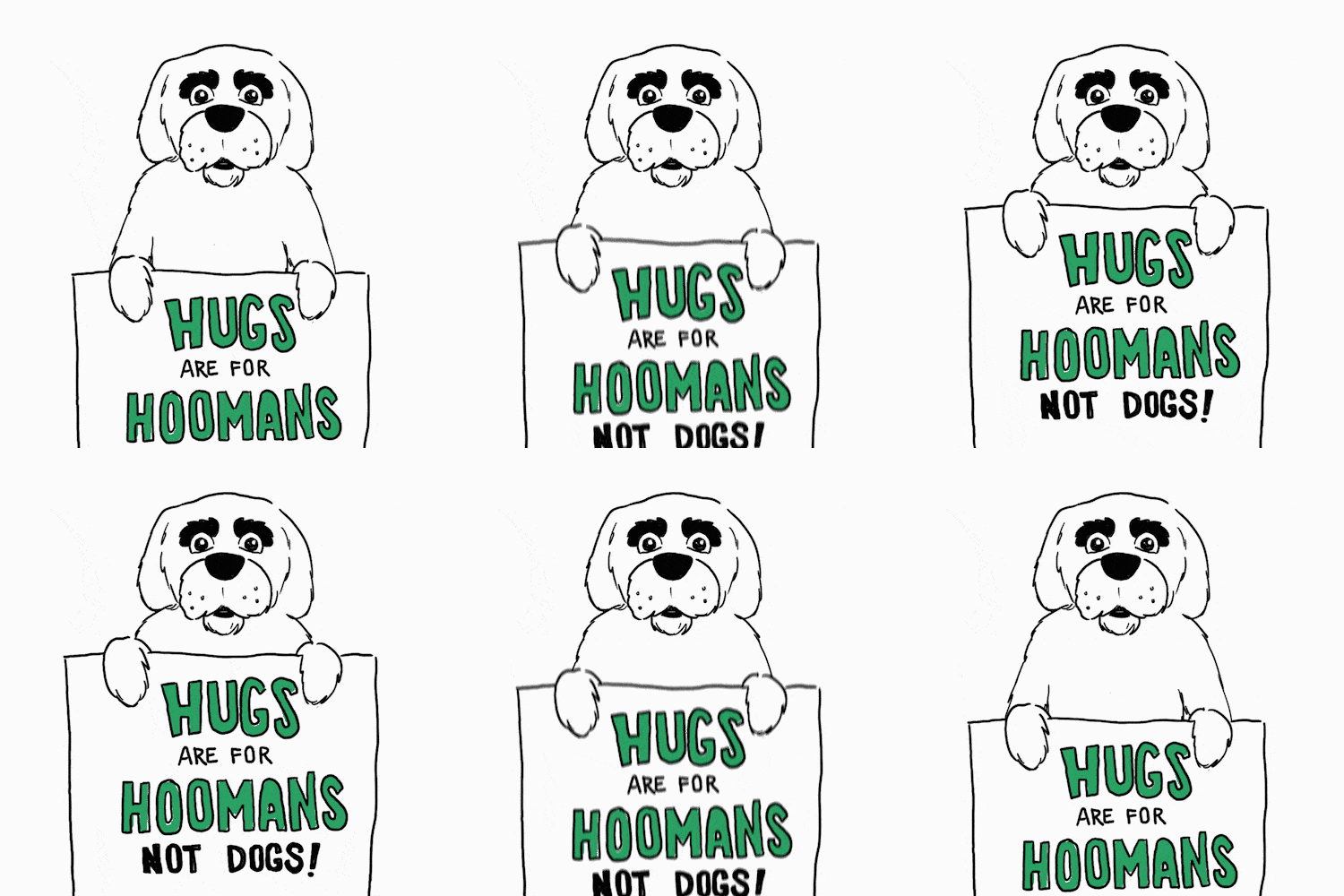
Since ancient times, a canine’s first instinctive defense has been to run away from danger. And hugging makes them feel trapped and confined. As humans, we too feel awkward when a person we barely know gives us a long and tight hug, right? Dogs somewhat feel the same. To some extent, they would also want to escape.
Sniffing is a dog’s way of expressing love. However, we humans definitely don’t regard sniffing the same way. And no matter how much we love our canine companion, we do feel a little uncomfortable with this gesture. Similarly, your pet might find hugs discomforting. Don’t worry. A dog’s body language will give you all the signs you need to know about their comfort level. But in order to understand these signs, you must learn to read them. So, let us understand some signs that indicate your dog is uneasy.
Dogs try to avoid anything that stresses them out. So, if your dog looks away when you enfold them in your arms, they don't like hugs. Your furry friend might also open their eyes wide while looking away and this allows you to notice their whale eyes. Whale eyes are when you see the whites of a dog’s eyes. Now, that is another indication of stress and discomfort.
Dogs are generally flexible when relaxed. If your dog gets stiff when you wrap your hands around them, you should probably set them free. Your dog might also lower or tuck their tail under the belly out of stress. Moreover, you must also pay attention to your pet’s ears. Lowered ears are a sign of a stressed dog.
It’s no news that we yawn when exhausted. However, if your pooch yawns during dog hugs, they are getting stressed out. It is their way of conveying that they don’t like something.
Every dog is unique. While most of them feel uncomfortable with hugs, some might like being embraced. Here’s how you can confirm if your furball doesn’t feel suffocated when you hug them:
Tail wagging can mean several things. However, you know your dog is happy when they give you a full-body tail wag. Slow, relaxed wags mean that your dog feels composed and at ease.
Placing the paws on the hugger signifies that your dog welcomes this form of attention. A dog’s paws can do more than just walk and dig holes. It is one of the most effective modes of communication for them.
Don’t worry if your dog doesn’t want to hug it out. There are plenty of healthier ways you can show them you are still their best friend:
If you're looking for the perfect dog for you, try our Dog Breed Selector today and enjoy a lifetime of tail-wagging joy.
Dogs do not generally recognise a hug as an affectionate gesture. However, they learn to accept hugs from their owner.
Your dog might not look at hugs the way humans do. For most dogs, hugs are discomforting.
Yes. Dogs like cuddling because they love you. If your dog cuddles you, you are a part of their pack.
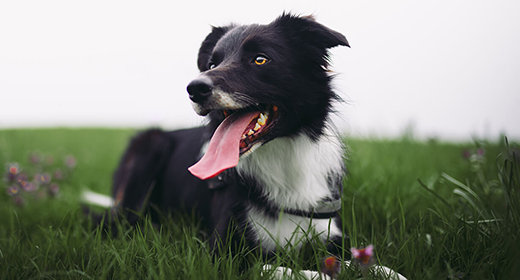
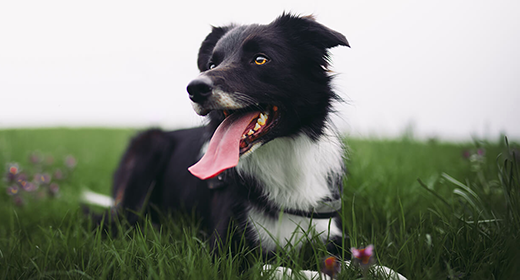
Chicken has been a widely popular and easily accessible source of protein for humans. However, when it comes to our canine companions, the role of chicken is a topic that demands exploration. From its countless health benefits to allergic reactions and dietary sensitivities, understanding the implications of incorporating chicken into a dog's meal plan is crucial for responsible pet care. Delve into the nuances of how chicken can serve as a valuable dietary component for dogs, uncovering the dos and don'ts that can help foster a balanced and nourishing diet for our beloved four-legged friends.
The short answer is yes, chicken is good for dogs. In fact, chicken is a common ingredient in many high-quality dog foods, owing to its rich protein content and relatively low fat. It provides essential amino acids that contribute to muscle development and overall health. However, it is crucial to prepare chicken appropriately for your furry friend as certain seasonings or cooking methods might be harmful.
While dogs are known to be natural carnivores, the consumption of raw chicken raises concerns. Raw chicken can potentially contain harmful bacteria such as salmonella or listeria, which pose health risks for dogs, just as they do for humans.
The consumption of raw chicken might lead to foodborne illnesses and digestive issues, causing vomiting, diarrhoea, or even more severe complications. Therefore, it is generally advised to thoroughly cook chicken before feeding it to your dog, eliminating any potential bacteria and making it safe for consumption.
While the appeal of a raw diet for dogs is gaining traction, the dangers of raw chicken consumption remain a significant concern:
Although rare, some dogs can develop allergies to chicken, resulting in various symptoms such as itching, skin irritation, gastrointestinal upset, and even respiratory issues. Chicken allergies in dogs are typically a response to specific proteins.
Dogs are omnivores, and aside from chicken, they can safely consume various other types of meat as part of a balanced diet.
Considering the risks associated with raw chicken consumption and potential allergies in dogs, seeking veterinary guidance is highly recommended. If your dog exhibits symptoms of an allergic reaction or has consumed raw chicken, a visit to the vet is crucial.
A veterinarian can conduct a thorough examination to identify the nature and severity of the allergic response and provide appropriate treatment options. Additionally, they can address any potential complications resulting from bacterial contamination, including gastrointestinal distress or other related health issues. Early intervention by a qualified veterinary professional can help mitigate the risks associated with food allergies and ensure the well-being of your canine companion.
Remember, the expertise of a veterinarian is essential, especially when it comes to handling food-related concerns. Seeking their advice and treatment can help safeguard your dog's health and prevent any further complications. Prioritising your dog's health and well-being through professional veterinary care can contribute significantly to their overall quality of life and long-term wellness.