Enter a keyword below to search for articles and products.
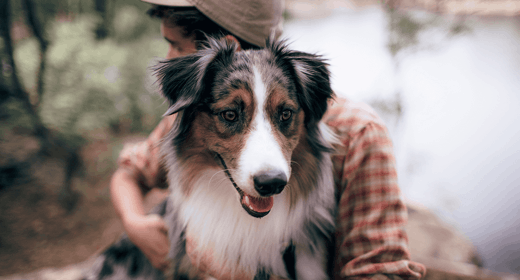
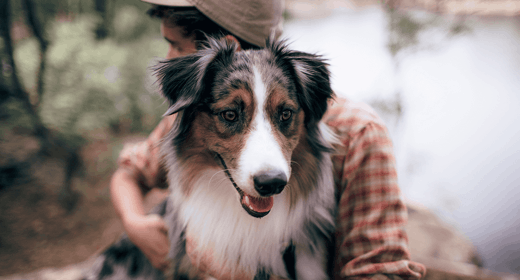
Most humans recognise a hug as a sign of affection and close friendship. That is exactly why we feel this strong urge to hug dogs out of love. After all, they are the best type of best friends. As pet parents, we love greeting our pawsome pals with dog hugs. However, do dogs like hugs? In an IAMS™ survey*, 83% of dog parents say their dog likes hugs too. Is this true? We’re going to try and get an answer to this question.
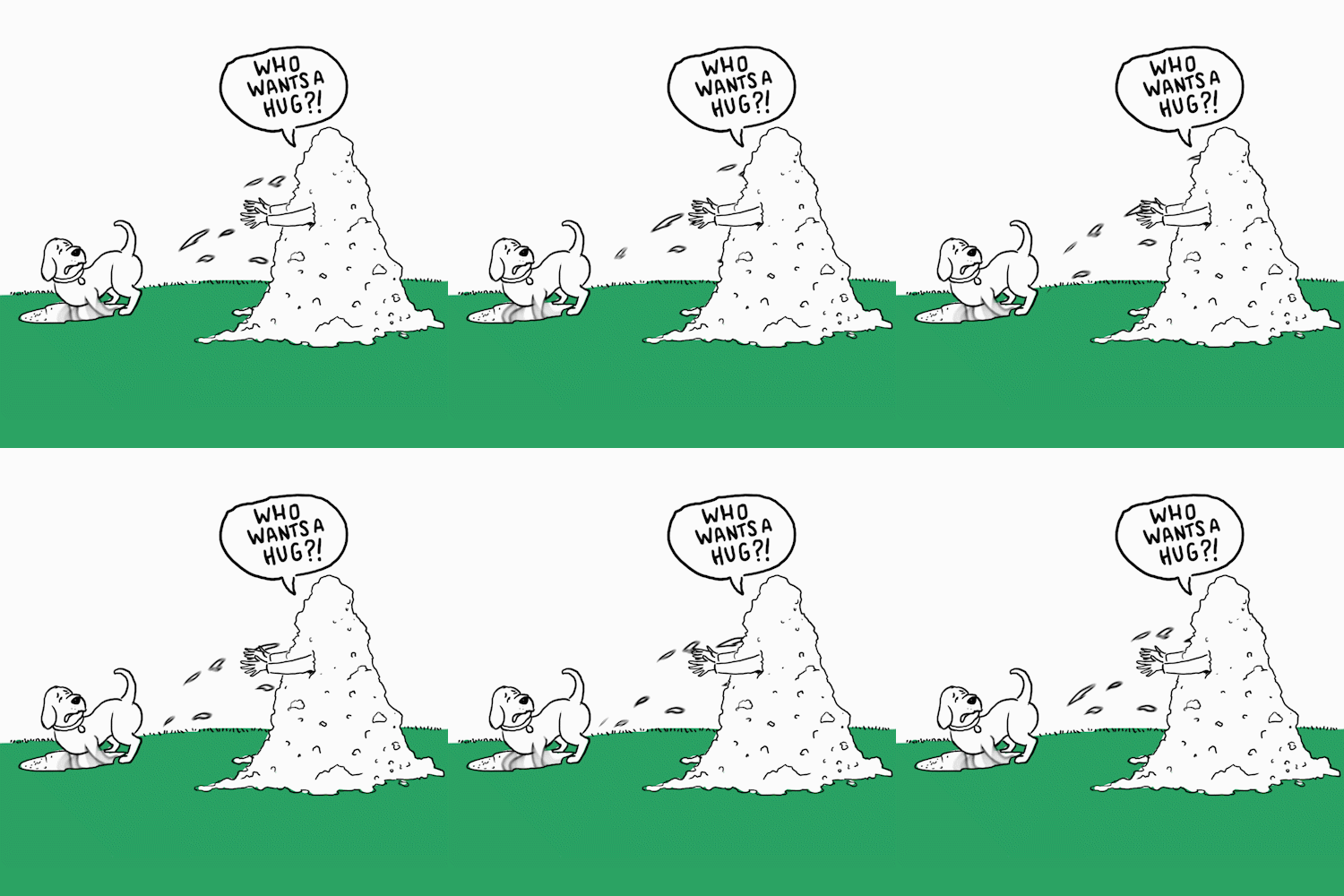
The short answer is no. Dogs do not like hugs. Now, let’s look at a bit of an explanation to this.
Some dogs enjoy canine cuddles, but usually only with their owner or household members. Otherwise, they don’t care about it. “Hugging is too much and overwhelming for many dogs and should be discouraged if the dog doesn’t know the individual very well”, advises James Serpell, B.Sc., Ph.D., Professor of Humane Ethics & Animal Welfare at the University of Pennsylvania School of Veterinary Medicine.
So, why don’t dogs like hugs? To understand this, we may need to look at what a dog really feels when you try to hug it.
Here is what your pooch probably experiences when you try to engulf it in an embrace:
Hugging is human behaviour and not dog behaviour. These animals are just not physically built for that kind of interaction. We stand upright, so we face people. Dogs are on all fours, making hugging an unnatural act for them. Hence, they prefer a friendly sniff.
To dogs, a hug comes off as dominating behaviour; it feels like someone is trying to assert control over them. It can be stressful, especially if done by a stranger.
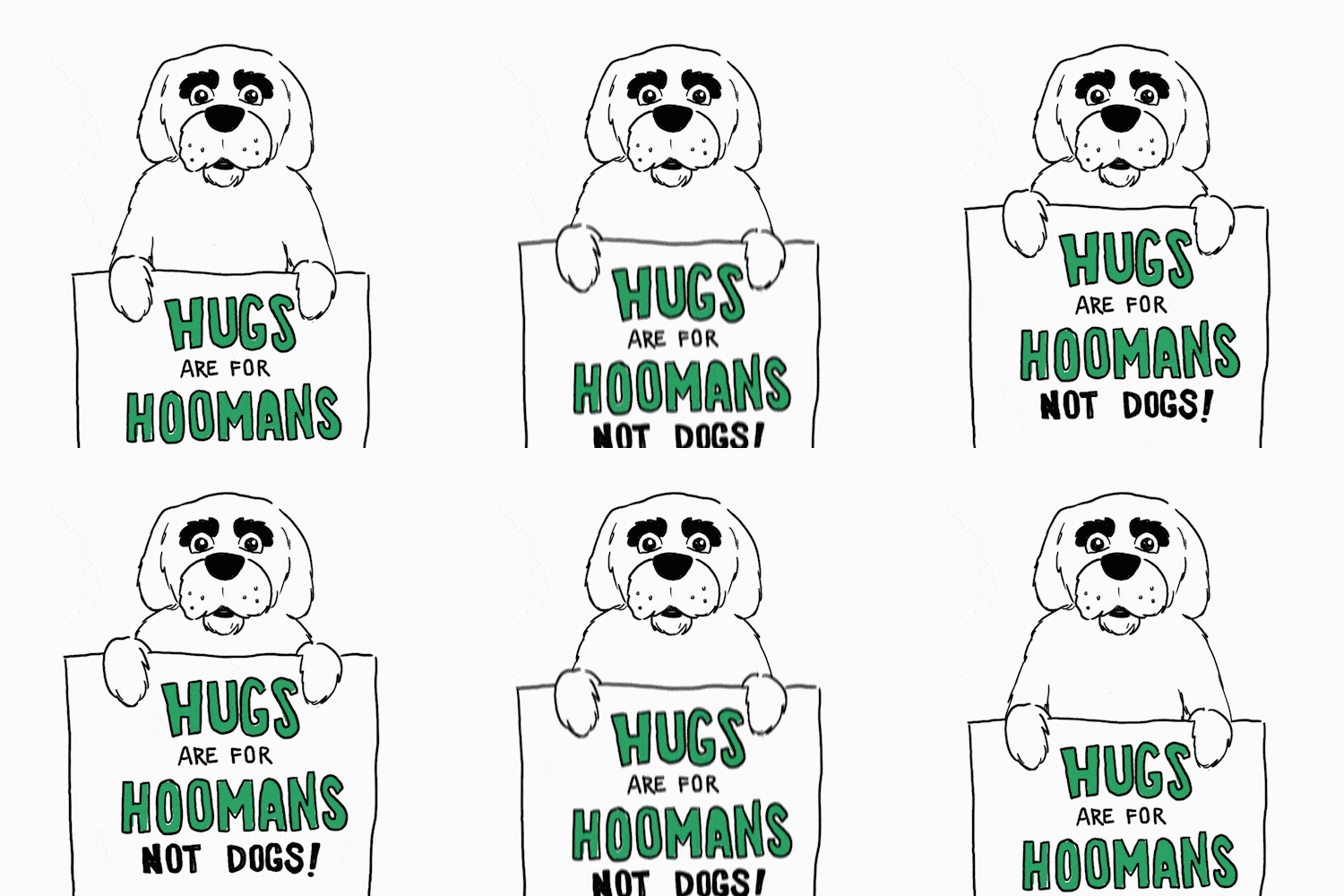
Since ancient times, a canine’s first instinctive defense has been to run away from danger. And hugging makes them feel trapped and confined. As humans, we too feel awkward when a person we barely know gives us a long and tight hug, right? Dogs somewhat feel the same. To some extent, they would also want to escape.
Sniffing is a dog’s way of expressing love. However, we humans definitely don’t regard sniffing the same way. And no matter how much we love our canine companion, we do feel a little uncomfortable with this gesture. Similarly, your pet might find hugs discomforting. Don’t worry. A dog’s body language will give you all the signs you need to know about their comfort level. But in order to understand these signs, you must learn to read them. So, let us understand some signs that indicate your dog is uneasy.
Dogs try to avoid anything that stresses them out. So, if your dog looks away when you enfold them in your arms, they don't like hugs. Your furry friend might also open their eyes wide while looking away and this allows you to notice their whale eyes. Whale eyes are when you see the whites of a dog’s eyes. Now, that is another indication of stress and discomfort.
Dogs are generally flexible when relaxed. If your dog gets stiff when you wrap your hands around them, you should probably set them free. Your dog might also lower or tuck their tail under the belly out of stress. Moreover, you must also pay attention to your pet’s ears. Lowered ears are a sign of a stressed dog.
It’s no news that we yawn when exhausted. However, if your pooch yawns during dog hugs, they are getting stressed out. It is their way of conveying that they don’t like something.
Every dog is unique. While most of them feel uncomfortable with hugs, some might like being embraced. Here’s how you can confirm if your furball doesn’t feel suffocated when you hug them:
Tail wagging can mean several things. However, you know your dog is happy when they give you a full-body tail wag. Slow, relaxed wags mean that your dog feels composed and at ease.
Placing the paws on the hugger signifies that your dog welcomes this form of attention. A dog’s paws can do more than just walk and dig holes. It is one of the most effective modes of communication for them.
Don’t worry if your dog doesn’t want to hug it out. There are plenty of healthier ways you can show them you are still their best friend:
If you're looking for the perfect dog for you, try our Dog Breed Selector today and enjoy a lifetime of tail-wagging joy.
Dogs do not generally recognise a hug as an affectionate gesture. However, they learn to accept hugs from their owner.
Your dog might not look at hugs the way humans do. For most dogs, hugs are discomforting.
Yes. Dogs like cuddling because they love you. If your dog cuddles you, you are a part of their pack.
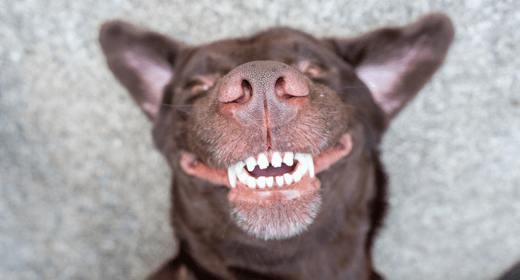
We all want the best for our pets, and maintaining good oral hygiene is crucial for their overall health and wellbeing. This means keeping your dog’s teeth clean regularly and taking it for annual dental check-ups as well. Without proper oral care, your dog can develop dental diseases like plaque buildups, gingivitis, and tartar, which can have serious consequences, leading to tooth loss and other infections in your dog’s body.
Taking proper care of your dog’s teeth and feeding nutritious food will reduce the risk of developing oral illnesses in the future. Besides, brushing your dog's teeth can be a great bonding experience for you, and your dog may slowly come to love the activity.
As a dog parent, you would want your dog’s mouth to be fresh and healthy. Here are 5 reasons why your dog’s dental care is important for its overall health.
Dental pain can be extremely unpleasant for dogs, especially when it is severe. This can be avoided by keeping your dog's gums and teeth healthy.
When the bones that support your dog’s teeth get infected or damaged, they may weaken and fall out. Providing good dog oral care will ensure that your dog’s teeth remain healthy.
Bacteria residing in the plaque can enter your dog’s bloodstream and travel to the kidneys, heart, and liver. This spread of germs can harm its organs and make your dog sick. It is here that good oral hygiene will prevent bacteria and associated organ damage in your dog.
If the smell of your dog’s breath makes you gag, then know that your dog needs a dental cleaning session. But when your dog has healthy teeth and mouth, bad breath will not be an issue.
Since many dogs develop dental diseases by the age of three, preventing it might be tough. But good dog dental care can prevent oral diseases from escalating to the point where it causes problems throughout its body.
Dogs need regular oral care just like you do; gum disease and broken teeth are the major concerns. Fortunately, pets seldom suffer from tooth decay. Their cone-shaped teeth, non-acidic saliva, and low-sugar diets all help protect them from this nasty ailment. Regular brushing and professional teeth cleaning can keep your dog’s teeth clean, healthy, and gleaming. Giving your pet appropriate toys to chew is known to prevent fractures.
(Note: If you give your pets sweets for snacks, they can get cavities.)
It should just be you and your dog, with no other children or pets in the house.
Dog toothbrushes can be easily found in pet stores or on the internet. But remember to use only dog-specific toothpaste while brushing your dog’s teeth.
Make sure you are in a well-lit area so you can see what you're doing when brushing your dog's teeth and that your dog is comfortable.
Begin by displaying the toothpaste to your dog and allowing them to lick it off your finger.
Hold its upper lip up and brush the top front teeth.
Brush the bottom teeth while holding the bottom lip down. Begin with the front teeth, and then work your way to the side and back.
If your dog is sitting still while you’re brushing its teeth, you can brush both the interior and outside of its teeth at the same time. Brushing the insides of the teeth is a little more difficult, so add this step after your dog is calm and after the outsides of its upper and lower teeth have been brushed.
Brushing your dog’s teeth may be an odd experience. Thus, praise your dog constantly to make this a happy experience. Although it may seem unusual to offer treats when you’re brushing your dog’s teeth. But the primary goal should be to teach the skill, and then you may focus on removing food from the equation later.
When your puppy first begins to get permanent teeth, check if the baby tooth has come out for the new tooth grow. Retained teeth can cause the permanent teeth to be crooked. Toy dog breeds, with their tiny jaws, are more prone to such dental problems.
While hard foods and chew toys can help keep teeth clean, you need to get your pet used to a regular tooth-brushing routine. As soon as you bring your new pet home, get it accustomed to having its mouth handled. It is also good training—it teaches the dog to tolerate having things in his mouth without biting or snapping.
What your dog eats affects its 'smile.' Dry foods and treats help clean plaque from its teeth. Rawhide chews are also good cleaning tools, as are some of the knobby plastic toys on the market. None of these are hard enough to cause tooth damage, however, monitor your dog to be sure that it doesn’t swallow small pieces of these toys. Real bones can also be dangerous for your pet and should not be used for tooth-cleaning purposes.
All dry adult IAMS™ Dog Foods, include Daily Dental Care, a special kibble coating that helps reduce tartar buildup for better oral health. So, along with providing balanced nutrition, our range of dry dog food focuses on dental hygiene as well.
It just takes a little time and patience. Begin by running your finger gently over his gums. At first, just rub the outside, but as he adjusts to the routine, begin to open his mouth and rub the gums inside the teeth as well.
As your dog gets accustomed to this, wrap your finger with gauze and rub his gums. Eventually, add a pet toothpaste; do not use human toothpaste. After a few weeks, your dog should be willing to accept a toothbrush for pets, which should have soft, multi-tufted synthetic bristles.
Hold the toothbrush at a 45-degree angle and apply it to the area where teeth and gums meet. Rotate it in small circles, overlapping several teeth. Finish with vertical strokes to pull plaque from between the teeth. Repeat until all the teeth on the cheek side are clean. The inside teeth will be more difficult, as your dog may resist opening its mouth, but eventually you will be able to brush the inside and outside surfaces of all the teeth. For effective cleaning, brush your dog's teeth a couple of times a week.
If you want to keep your dog's teeth clean but are worried about the cleaning process, then you are not alone. You need to pick a toothpaste advised by your vet as they are usually clinically tested and approved. But most importantly, refrain from using human toothpaste to brush your dog’s teeth. It’s because human toothpaste contains fluoride, which is highly toxic to dogs.
Dental wipes for dogs are designed to be wiped against your dog's teeth to eliminate plaque. They work in a similar way to toothbrushes and are an excellent way to keep your pet's teeth clean. They're generally more convenient to use than a toothbrush and toothpaste.
Brushing your dog's teeth may seem goofy, but it's a great method to keep plaque from forming. Unlike humans, dogs do not require daily brushing. Your dog might not enjoy having its teeth brushed at first but making it a habit will help. Brushing should be done using a dog toothbrush or a fingertip toothbrush. You'll also require dog toothpaste. Consult your vet for advice, and then decide what you and your dog prefer.
Dog chews come in a variety of shapes and sizes, and most of them contain teeth-cleaning characteristics. Chewing is a natural way for your dog to clean its teeth and is beneficial to its dental health. Frequent chewing prevents your dog’s teeth from decaying and helps clean its teeth. Cow ears, chicken strips, and bully sticks are excellent chews for keeping your dog healthy and happy.
Dogs adore treats, and dental treats are an excellent way to improve your dog's oral care and hygiene. These treats are designed to eliminate plaque buildup and typically include chemicals that help you get rid of your dog's breath and clean its mouth. They are considerably more liked by dogs than a toothbrush or tooth wipes, and they keep dogs' mouths clean. These treats are available in a wide range of tastes, forms, and sizes, so you are sure to find something your dog will enjoy.
Cleaning your dog's teeth with the help of a veterinarian is probably the smartest way to ensure its dental health. Your veterinarian will be able to determine what is best for your dog's teeth by addressing any problems that even the most devoted dog owner might overlook.
If your dog won't cooperate with home brushing or if you already see brown tartar stains on its teeth or red and bleeding gums, it's time to turn to your veterinarian for help. The doctor will give your dog general anesthesia and clean the teeth above and below the gum line to remove plaque and tartar. After the cleaning is done, they will be polished to remove microscopic plaque and to make the teeth smooth to discourage plaque from clinging.
Remember, dental care is as important to your pet's health as it is to your own—you owe it to your dog to provide regular tooth care and cleaning.