Enter a keyword below to search for articles and products.
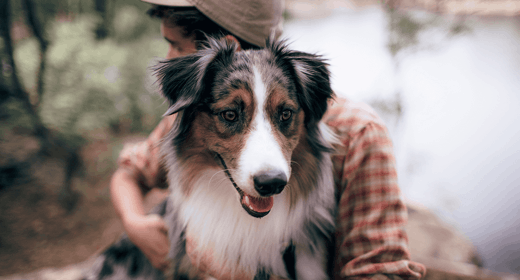
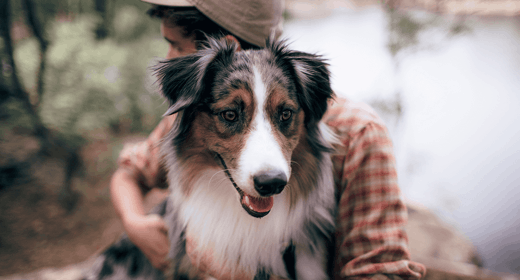
Most humans recognise a hug as a sign of affection and close friendship. That is exactly why we feel this strong urge to hug dogs out of love. After all, they are the best type of best friends. As pet parents, we love greeting our pawsome pals with dog hugs. However, do dogs like hugs? In an IAMS™ survey*, 83% of dog parents say their dog likes hugs too. Is this true? We’re going to try and get an answer to this question.
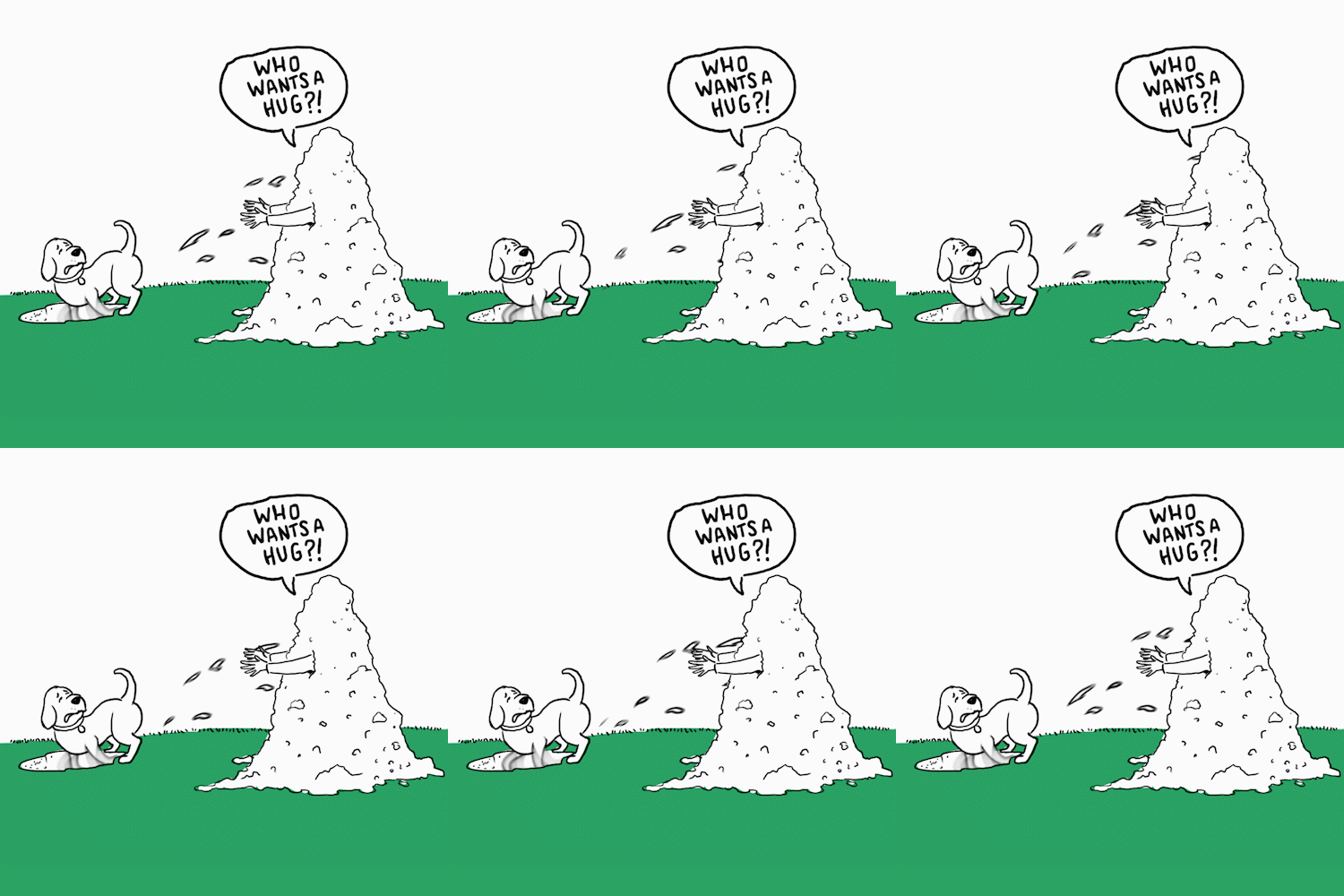
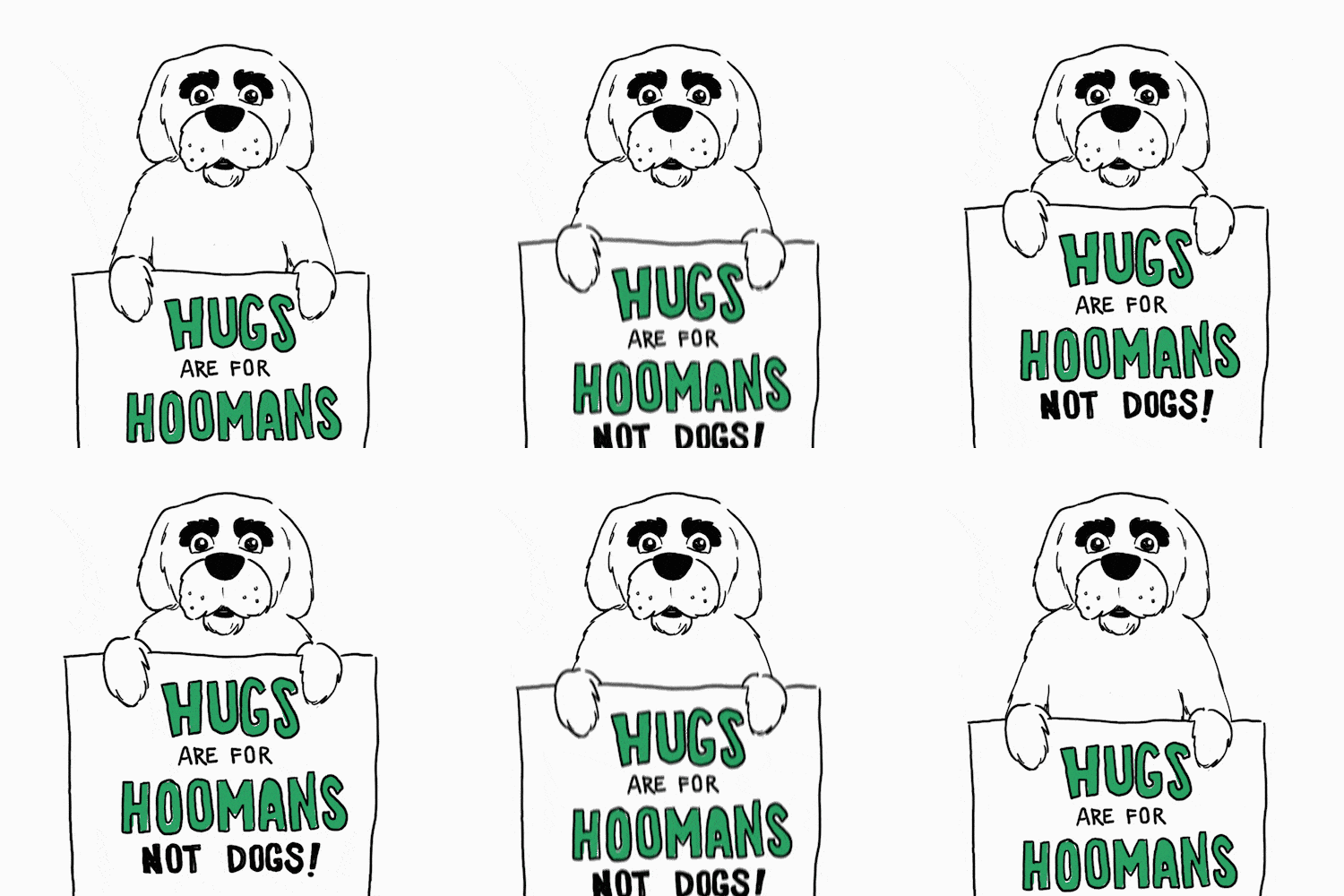
The short answer is no. Dogs do not like hugs. Now, let’s look at a bit of an explanation to this.
Some dogs enjoy canine cuddles, but usually only with their owner or household members. Otherwise, they don’t care about it. “Hugging is too much and overwhelming for many dogs and should be discouraged if the dog doesn’t know the individual very well”, advises James Serpell, B.Sc., Ph.D., Professor of Humane Ethics & Animal Welfare at the University of Pennsylvania School of Veterinary Medicine.
So, why don’t dogs like hugs? To understand this, we may need to look at what a dog really feels when you try to hug it.
Here is what your pooch probably experiences when you try to engulf it in an embrace:
Hugging is human behaviour and not dog behaviour. These animals are just not physically built for that kind of interaction. We stand upright, so we face people. Dogs are on all fours, making hugging an unnatural act for them. Hence, they prefer a friendly sniff.
To dogs, a hug comes off as dominating behaviour; it feels like someone is trying to assert control over them. It can be stressful, especially if done by a stranger.
Since ancient times, a canine’s first instinctive defense has been to run away from danger. And hugging makes them feel trapped and confined. As humans, we too feel awkward when a person we barely know gives us a long and tight hug, right? Dogs somewhat feel the same. To some extent, they would also want to escape.
Sniffing is a dog’s way of expressing love. However, we humans definitely don’t regard sniffing the same way. And no matter how much we love our canine companion, we do feel a little uncomfortable with this gesture. Similarly, your pet might find hugs discomforting. Don’t worry. A dog’s body language will give you all the signs you need to know about their comfort level. But in order to understand these signs, you must learn to read them. So, let us understand some signs that indicate your dog is uneasy.
Dogs try to avoid anything that stresses them out. So, if your dog looks away when you enfold them in your arms, they don't like hugs. Your furry friend might also open their eyes wide while looking away and this allows you to notice their whale eyes. Whale eyes are when you see the whites of a dog’s eyes. Now, that is another indication of stress and discomfort.
Dogs are generally flexible when relaxed. If your dog gets stiff when you wrap your hands around them, you should probably set them free. Your dog might also lower or tuck their tail under the belly out of stress. Moreover, you must also pay attention to your pet’s ears. Lowered ears are a sign of a stressed dog.
It’s no news that we yawn when exhausted. However, if your pooch yawns during dog hugs, they are getting stressed out. It is their way of conveying that they don’t like something.
Every dog is unique. While most of them feel uncomfortable with hugs, some might like being embraced. Here’s how you can confirm if your furball doesn’t feel suffocated when you hug them:
Tail wagging can mean several things. However, you know your dog is happy when they give you a full-body tail wag. Slow, relaxed wags mean that your dog feels composed and at ease.
Placing the paws on the hugger signifies that your dog welcomes this form of attention. A dog’s paws can do more than just walk and dig holes. It is one of the most effective modes of communication for them.
Don’t worry if your dog doesn’t want to hug it out. There are plenty of healthier ways you can show them you are still their best friend:
If you're looking for the perfect dog for you, try our Dog Breed Selector today and enjoy a lifetime of tail-wagging joy.
Dogs do not generally recognise a hug as an affectionate gesture. However, they learn to accept hugs from their owner.
Your dog might not look at hugs the way humans do. For most dogs, hugs are discomforting.
Yes. Dogs like cuddling because they love you. If your dog cuddles you, you are a part of their pack.


It is a sight no dog owner wants to see – your beloved pet heaving and uncomfortable, its body racked with nausea. For many, the sound of a dog vomiting sets off alarm bells. But why do dogs vomit, and what causes an upset stomach in dogs? More importantly, when is a dog's upset stomach merely a passing concern, and when does it indicate a more serious issue? Let's delve into these questions to better understand our four-legged friends' health.
Vomiting in dogs is a common occurrence and can be triggered by various factors. This process involves the forceful ejection of the contents within a dog's stomach or upper intestine. This action is often preceded by signs of nausea, such as drooling, licking lips, and swallowing excessively. Sometimes, the cause of vomiting is fairly benign – your dog may have just eaten too quickly or consumed something that didn't agree with its stomach. In other instances, it could be a sign of something more serious, such as ingestion of a toxic substance or a serious illness.
The reasons behind a dog's upset stomach are varied and can range from mild to severe. Upset stomach, medically termed as gastroenteritis, is caused by inflammation or irritation in the stomach or intestines. This can be triggered by a sudden change in diet, food intolerances, ingestion of foreign substances, bacterial or viral infections, and even serious conditions like pancreatitis or kidney failure.
One common mistake dog parents make is confusing vomiting with regurgitation. When a dog regurgitates, it's typically soon after eating and is a passive process, where undigested food comes up without much effort. On the other hand, vomiting involves active abdominal contractions and results in the expulsion of partially digested food mixed with bile.
Any dog owner knows that an upset stomach can leave their furry friend feeling less than their best. Recognising the signs of an upset stomach can help in providing prompt care and relief for your pet. Typical symptoms include:
More serious signs include:
If your dog appears to be in pain, loses appetite, shows signs of dehydration, has a fever, or exhibits unusual behaviours such as lethargy, restlessness, or shivering, it's a clear indication that something is wrong.
In extreme cases, an upset stomach can result in weight loss and frequent vomiting in dogs, which can be a sign of serious medical conditions such as liver or kidney disease, pancreatitis, or even cancer. It is also important to monitor stress in your dog, as this can often exacerbate or trigger stomach issues.
When it comes to treating a dog's upset stomach, the appropriate treatment will largely depend on the underlying cause. If it's a mild case, such as a dietary change or eating too quickly, simple home remedies might be sufficient. However, if the condition persists or is associated with other serious symptoms, it's essential to consult with a vet.
Some common dog vomiting treatments are:
The best remedies for your dog’s upset stomach are probiotics such as IAMS™ Proactive Health™ Digestive Health Supplement and pumpkin, which can aid digestion. However, it's essential to remember that these are not cures but temporary solutions. If your dog continues to vomit or display signs of an upset stomach, a trip to the vet is necessary.
It's essential to remember that while some instances of dog vomiting or upset stomach can be managed at home, more frequent or severe symptoms necessitate a visit to the vet. Early detection of symptoms can make a significant difference in your dog's health. If your dog vomits multiple times in a day, shows no signs of improvement after 24 hours, or frequently throws up mucus, it's time to take your pet to the vet. The age and overall health of your dog also play a crucial role in this decision.
While home-cooked foods like skinless chicken, boiled potatoes, or rice can be good short-term options for a dog with an upset stomach, they are not nutritionally complete for long-term care. It's also crucial to avoid feeding your dog raw food, which can contain harmful germs like salmonella. Always follow your vet's recommendations to ensure your dog's health and safety.
In addition to following your vet's advice, consider integrating a digestive health supplement into your dog's diet. IAMS™ Proactive Health™ Digestive Health Supplement is a soft, chewable supplement that combines prebiotics and probiotics to regulate your dog's gut health. It contains no artificial colour, flavour, preservatives, or fillers, making it a safe and effective choice for enhancing your dog's digestive health.
Understanding the causes, symptoms, and treatments of dog vomiting and upset stomach, and consulting with a vet, when necessary, can help ensure your furry friend's well-being. Remember, their health is in your hands.