Enter a keyword below to search for articles and products.
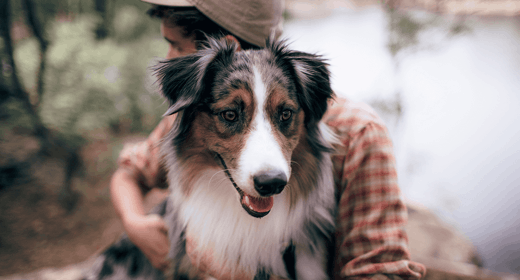
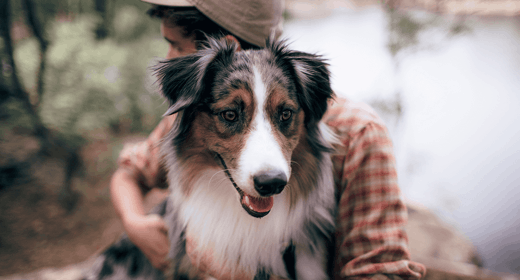
Most humans recognise a hug as a sign of affection and close friendship. That is exactly why we feel this strong urge to hug dogs out of love. After all, they are the best type of best friends. As pet parents, we love greeting our pawsome pals with dog hugs. However, do dogs like hugs? In an IAMS™ survey*, 83% of dog parents say their dog likes hugs too. Is this true? We’re going to try and get an answer to this question.
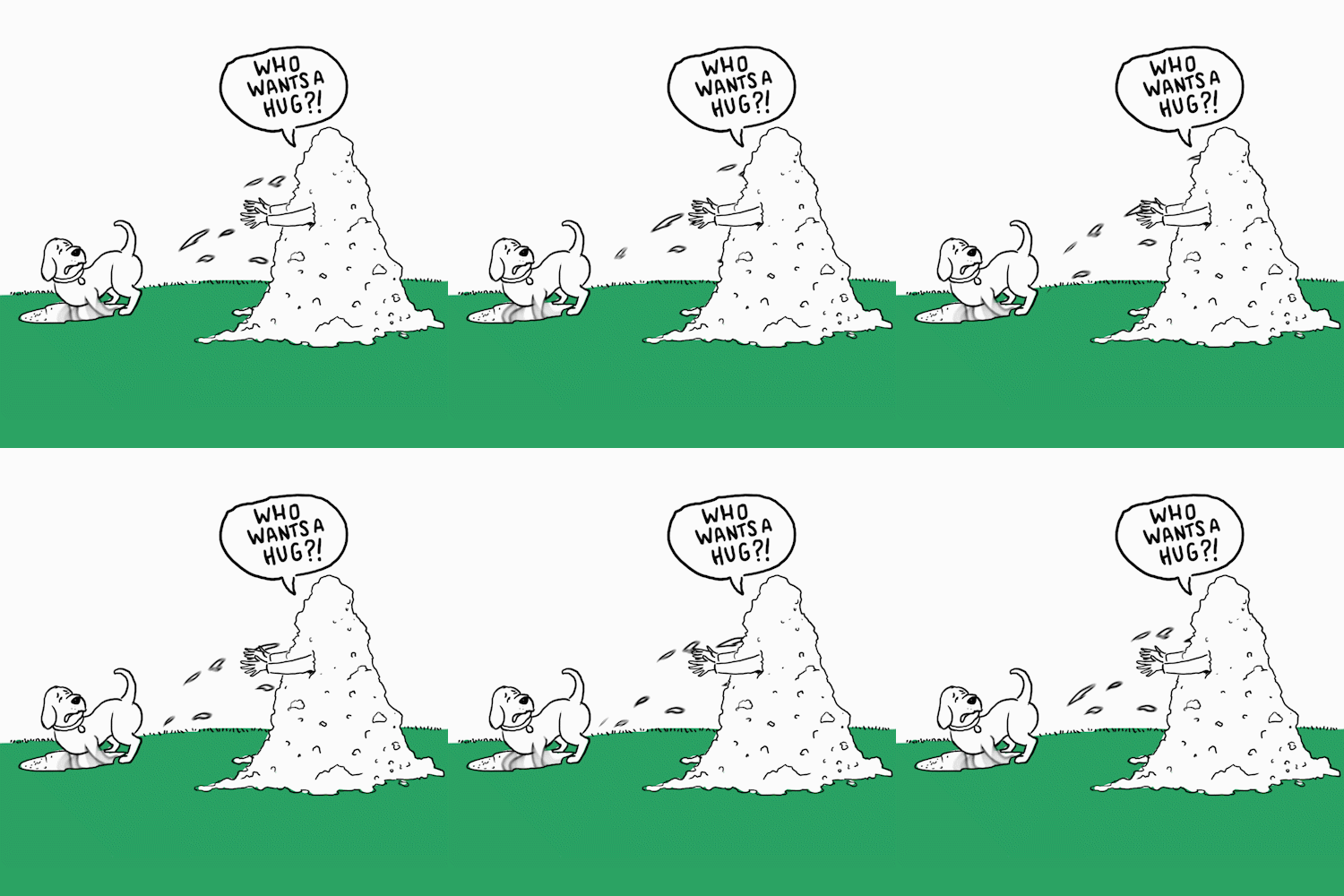
The short answer is no. Dogs do not like hugs. Now, let’s look at a bit of an explanation to this.
Some dogs enjoy canine cuddles, but usually only with their owner or household members. Otherwise, they don’t care about it. “Hugging is too much and overwhelming for many dogs and should be discouraged if the dog doesn’t know the individual very well”, advises James Serpell, B.Sc., Ph.D., Professor of Humane Ethics & Animal Welfare at the University of Pennsylvania School of Veterinary Medicine.
So, why don’t dogs like hugs? To understand this, we may need to look at what a dog really feels when you try to hug it.
Here is what your pooch probably experiences when you try to engulf it in an embrace:
Hugging is human behaviour and not dog behaviour. These animals are just not physically built for that kind of interaction. We stand upright, so we face people. Dogs are on all fours, making hugging an unnatural act for them. Hence, they prefer a friendly sniff.
To dogs, a hug comes off as dominating behaviour; it feels like someone is trying to assert control over them. It can be stressful, especially if done by a stranger.
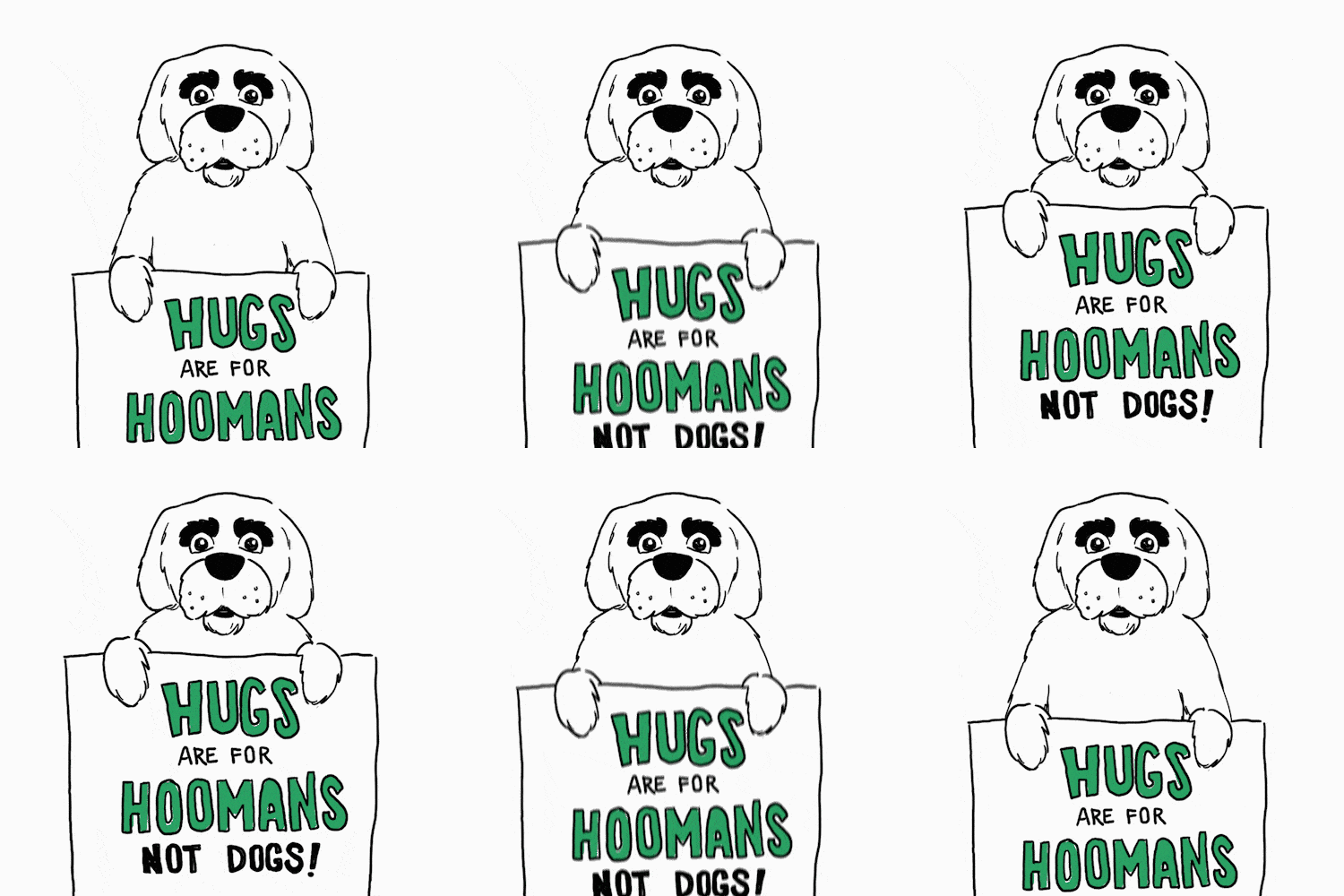
Since ancient times, a canine’s first instinctive defense has been to run away from danger. And hugging makes them feel trapped and confined. As humans, we too feel awkward when a person we barely know gives us a long and tight hug, right? Dogs somewhat feel the same. To some extent, they would also want to escape.
Sniffing is a dog’s way of expressing love. However, we humans definitely don’t regard sniffing the same way. And no matter how much we love our canine companion, we do feel a little uncomfortable with this gesture. Similarly, your pet might find hugs discomforting. Don’t worry. A dog’s body language will give you all the signs you need to know about their comfort level. But in order to understand these signs, you must learn to read them. So, let us understand some signs that indicate your dog is uneasy.
Dogs try to avoid anything that stresses them out. So, if your dog looks away when you enfold them in your arms, they don't like hugs. Your furry friend might also open their eyes wide while looking away and this allows you to notice their whale eyes. Whale eyes are when you see the whites of a dog’s eyes. Now, that is another indication of stress and discomfort.
Dogs are generally flexible when relaxed. If your dog gets stiff when you wrap your hands around them, you should probably set them free. Your dog might also lower or tuck their tail under the belly out of stress. Moreover, you must also pay attention to your pet’s ears. Lowered ears are a sign of a stressed dog.
It’s no news that we yawn when exhausted. However, if your pooch yawns during dog hugs, they are getting stressed out. It is their way of conveying that they don’t like something.
Every dog is unique. While most of them feel uncomfortable with hugs, some might like being embraced. Here’s how you can confirm if your furball doesn’t feel suffocated when you hug them:
Tail wagging can mean several things. However, you know your dog is happy when they give you a full-body tail wag. Slow, relaxed wags mean that your dog feels composed and at ease.
Placing the paws on the hugger signifies that your dog welcomes this form of attention. A dog’s paws can do more than just walk and dig holes. It is one of the most effective modes of communication for them.
Don’t worry if your dog doesn’t want to hug it out. There are plenty of healthier ways you can show them you are still their best friend:
If you're looking for the perfect dog for you, try our Dog Breed Selector today and enjoy a lifetime of tail-wagging joy.
Dogs do not generally recognise a hug as an affectionate gesture. However, they learn to accept hugs from their owner.
Your dog might not look at hugs the way humans do. For most dogs, hugs are discomforting.
Yes. Dogs like cuddling because they love you. If your dog cuddles you, you are a part of their pack.


In the realm of pet care and canine health, certain nutrients often take centre stage, and one such nutrient is vitamin E for dogs. While it might get as much attention as the other vitamins, the impact of vitamin E on your dog's well-being is significant. From bolstering their immune system to promoting a lustrous coat, this nutrient plays a crucial role in keeping your furry friend in top-notch condition. Join us as we delve into the world of vitamin E for dogs, exploring its multifaceted benefits and uncovering the sources that can contribute to your pup's overall vitality.
Vitamin E, a fat-soluble antioxidant, is a vital player in the health of both humans and our four-legged friends. Grouped into tocopherols and tocotrienols, this nutrient operates as a stalwart defender against free radicals, those troublemakers causing oxidative stress in the body. In simpler terms, it is a guardian of cells. Vitamin E for dogs supports immune function, maintaining skin health, and even contributing to good vision. The catch is that dogs cannot generate vitamin E in their systems, so it is on us, the providers of kibble and treats, to ensure they get their dose.
Absolutely, dogs can and should have vitamin E as part of their dietary intake. Since our furry friends cannot produce this essential nutrient internally, it becomes crucial to incorporate it into their meals. Dog foods often include vitamin E, but if you are preparing homemade meals or noticing a lack in their diet, supplementation may be necessary. This vitamin is not only a defender against oxidative stress but also contributes to the maintenance of healthy skin, a shiny coat, and a robust immune system. While moderation is key in all things, ensuring your canine companion gets an appropriate amount of vitamin E can significantly contribute to their overall health and well-being. Always consult with your veterinarian to determine the right balance for your specific dog's needs.
Without a doubt, vitamin E is exceptionally beneficial for dogs. Its antioxidant properties play a pivotal role in protecting their cells from damage caused by free radicals, contributing to the prevention of various health issues. This nutrient is particularly crucial for bolstering their immune system, promoting skin health, and ensuring a shiny coat. Dogs experiencing deficiencies in vitamin E may exhibit symptoms such as dull coats, muscle weakness, and impaired vision. Incorporating an adequate amount of vitamin E into your dog's diet can be a proactive step in maintaining their overall health and vitality. However, as with any nutritional component, it is important to strike the right balance, and consulting with your veterinarian is advisable to tailor your dog's diet to their specific needs.
Vitamin E is an essential nutrient for dogs. From fortifying cellular defences to enhancing skin and coat brilliance, it offers countless benefits. So, let us understand the crucial role of vitamin E for puppies and dogs in their well-being:
Vitamin E acts as a stalwart defender, neutralising free radicals that can damage cells over time. By doing so, it helps maintain the structural integrity of cells and supports overall cellular health in your dog.
A robust immune system is crucial for your dog's well-being. Vitamin E enhances the production of immune cells, fortifying your dog's defence mechanisms and aiding in the prevention of infections and illnesses.
Vitamin E for a dog’s skin is nothing short of magic, contributing to the maintenance of healthy skin. It helps alleviate dryness and irritation, making it particularly beneficial for dogs prone to skin allergies or dermatological issues.
The link between a shiny coat and good health is well-established. Vitamin E for puppies and dogs plays a huge role in promoting skin health and hydration directly contributes to the vibrant, glossy appearance of your dog's coat.
In the realm of ocular health, vitamin E plays a role in maintaining good vision in dogs. Its antioxidant properties extend to the eyes, helping to protect against age-related degeneration.
Supporting the health of muscles and nerves, vitamin E for dogs benefits your baby’s overall mobility and vitality. This is particularly important for active dogs and those engaged in regular physical activities.
For breeding dogs, vitamin E is essential for reproductive health. It aids in fertility and ensures the healthy development of embryos, supporting a smooth reproductive process in females.
In conditions like arthritis, where inflammation is a concern, vitamin E's anti-inflammatory properties can be beneficial. It may help manage inflammation and alleviate discomfort in dogs with joint issues.
Incorporating vitamin E into your dog's diet offers a holistic approach to their health, addressing various aspects from the cellular level to visible markers like coat condition. As always, consulting with your veterinarian ensures a tailored and effective approach based on your dog's unique needs.
As we curate the perfect blend of flavour and nutrition for our furry companions, let's explore a canine culinary journey featuring vitamin E-rich ingredients. From eggs to safflower oil, each element not only tantalises your dog's taste buds but also delivers the essential goodness of vitamin E, contributing to their overall well-being in delightful bites.
In the nutritional narrative for our canine friends, vitamin E emerges as a hero, weaving a tale of immune resilience, skin radiance, and overall vitality. Its antioxidant prowess safeguards cells, ensuring a robust foundation for your dog's well-being. As you curate their meals, let vitamin E take the centre stage, offering not just nourishment but a key ingredient in the recipe for a thriving, tail-wagging companion.