Enter a keyword below to search for articles and products.
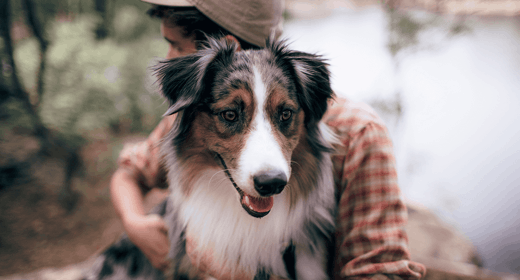
Most humans recognise a hug as a sign of affection and close friendship. That is exactly why we feel this strong urge to hug dogs out of love. After all, they are the best type of best friends. As pet parents, we love greeting our pawsome pals with dog hugs. However, do dogs like hugs? In an IAMS™ survey*, 83% of dog parents say their dog likes hugs too. Is this true? We’re going to try and get an answer to this question.
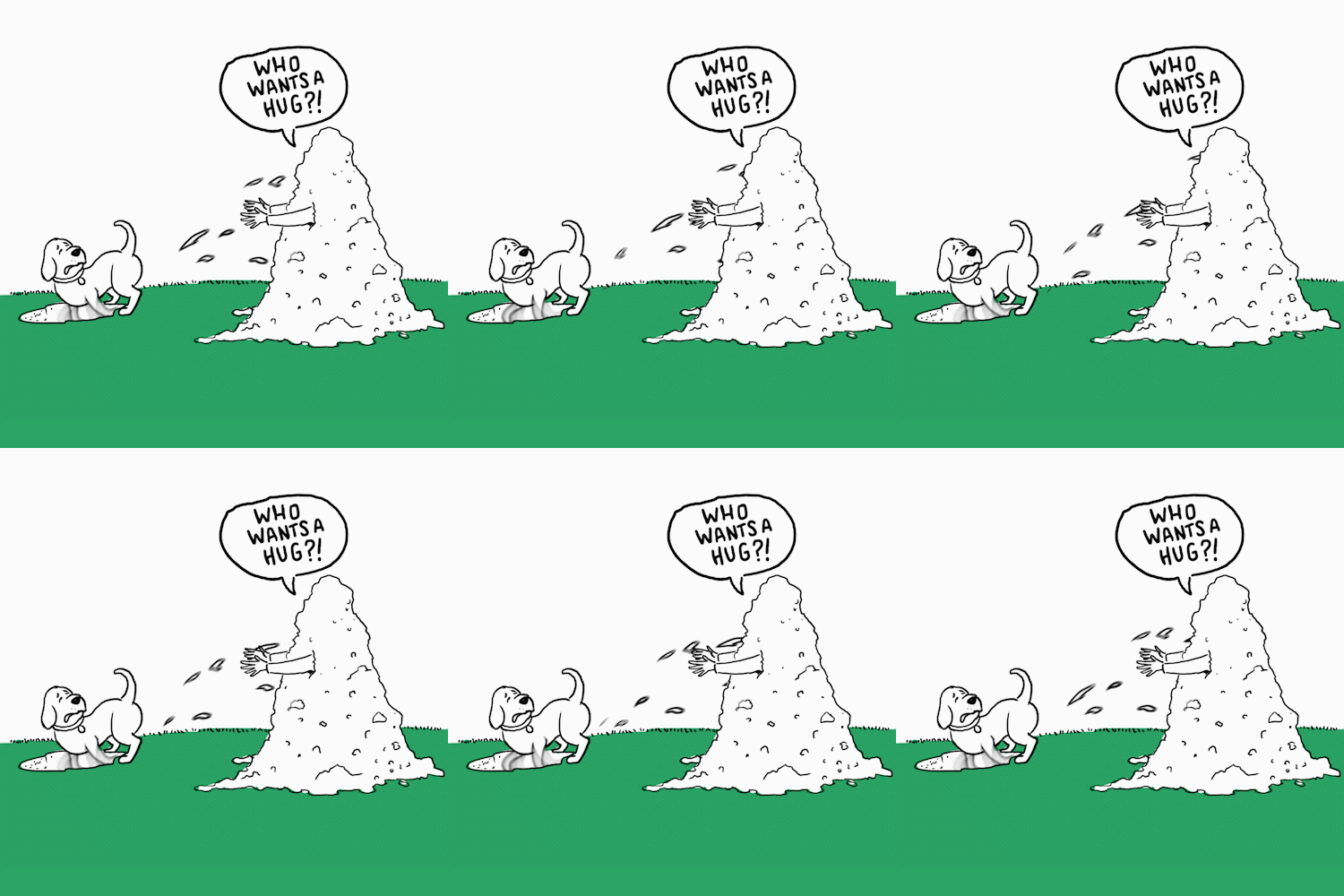
The short answer is no. Dogs do not like hugs. Now, let’s look at a bit of an explanation to this.
Some dogs enjoy canine cuddles, but usually only with their owner or household members. Otherwise, they don’t care about it. “Hugging is too much and overwhelming for many dogs and should be discouraged if the dog doesn’t know the individual very well”, advises James Serpell, B.Sc., Ph.D., Professor of Humane Ethics & Animal Welfare at the University of Pennsylvania School of Veterinary Medicine.
So, why don’t dogs like hugs? To understand this, we may need to look at what a dog really feels when you try to hug it.
Here is what your pooch probably experiences when you try to engulf it in an embrace:
Hugging is human behaviour and not dog behaviour. These animals are just not physically built for that kind of interaction. We stand upright, so we face people. Dogs are on all fours, making hugging an unnatural act for them. Hence, they prefer a friendly sniff.
To dogs, a hug comes off as dominating behaviour; it feels like someone is trying to assert control over them. It can be stressful, especially if done by a stranger.
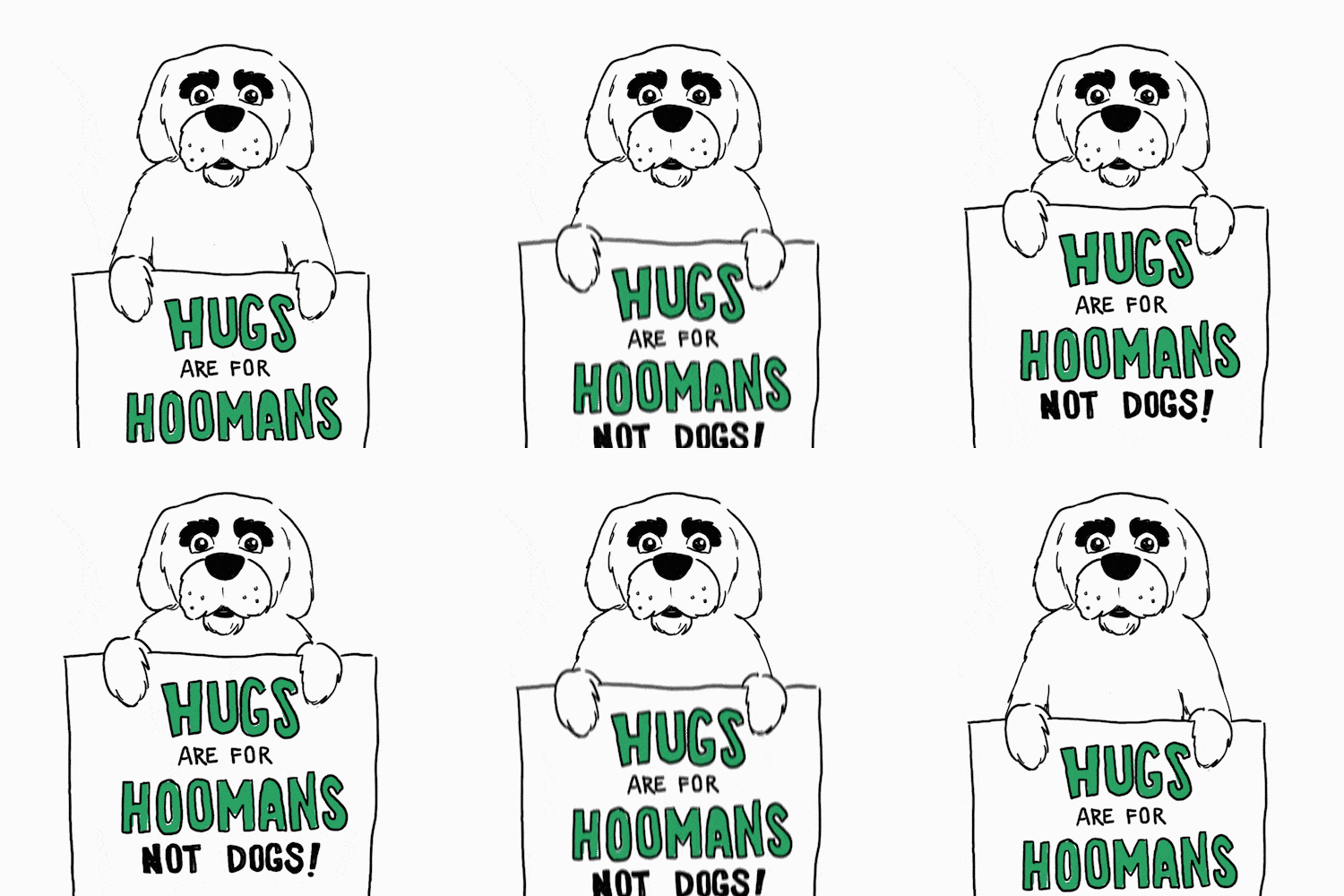
Since ancient times, a canine’s first instinctive defense has been to run away from danger. And hugging makes them feel trapped and confined. As humans, we too feel awkward when a person we barely know gives us a long and tight hug, right? Dogs somewhat feel the same. To some extent, they would also want to escape.
Sniffing is a dog’s way of expressing love. However, we humans definitely don’t regard sniffing the same way. And no matter how much we love our canine companion, we do feel a little uncomfortable with this gesture. Similarly, your pet might find hugs discomforting. Don’t worry. A dog’s body language will give you all the signs you need to know about their comfort level. But in order to understand these signs, you must learn to read them. So, let us understand some signs that indicate your dog is uneasy.
Dogs try to avoid anything that stresses them out. So, if your dog looks away when you enfold them in your arms, they don't like hugs. Your furry friend might also open their eyes wide while looking away and this allows you to notice their whale eyes. Whale eyes are when you see the whites of a dog’s eyes. Now, that is another indication of stress and discomfort.
Dogs are generally flexible when relaxed. If your dog gets stiff when you wrap your hands around them, you should probably set them free. Your dog might also lower or tuck their tail under the belly out of stress. Moreover, you must also pay attention to your pet’s ears. Lowered ears are a sign of a stressed dog.
It’s no news that we yawn when exhausted. However, if your pooch yawns during dog hugs, they are getting stressed out. It is their way of conveying that they don’t like something.
Every dog is unique. While most of them feel uncomfortable with hugs, some might like being embraced. Here’s how you can confirm if your furball doesn’t feel suffocated when you hug them:
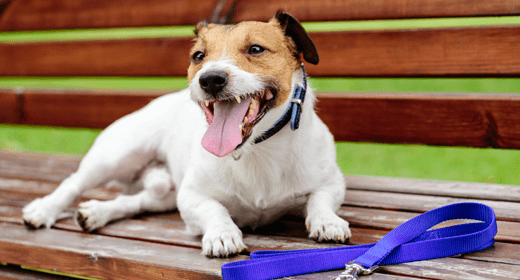
Tail wagging can mean several things. However, you know your dog is happy when they give you a full-body tail wag. Slow, relaxed wags mean that your dog feels composed and at ease.
Placing the paws on the hugger signifies that your dog welcomes this form of attention. A dog’s paws can do more than just walk and dig holes. It is one of the most effective modes of communication for them.
Don’t worry if your dog doesn’t want to hug it out. There are plenty of healthier ways you can show them you are still their best friend:
If you're looking for the perfect dog for you, try our Dog Breed Selector today and enjoy a lifetime of tail-wagging joy.
Dogs do not generally recognise a hug as an affectionate gesture. However, they learn to accept hugs from their owner.
Your dog might not look at hugs the way humans do. For most dogs, hugs are discomforting.
Yes. Dogs like cuddling because they love you. If your dog cuddles you, you are a part of their pack.


In the realm of pet care and canine health, vitamin B for dogs emerges as one of the most important. While they might not always garner as much attention as other nutrients, the impact of vitamin B on your dog's well-being is profound. From supporting energy metabolism to promoting a healthy coat, the B-complex vitamins play a crucial role in keeping your furry friend in top-notch condition. Join us as we delve into the world of vitamin B for dogs, exploring its multifaceted benefits and uncovering the sources that can contribute to your pup's overall vitality.
Vitamin B is a group of water-soluble vitamins, including B1 (thiamine), B2 (riboflavin), B3 (niacin), B5 (pantothenic acid), B6 (pyridoxine), B7 (biotin), B9 (folate), and B12 (cobalamin). These act as coenzymes, partnering with enzymes to facilitate critical biochemical reactions that drive cellular processes. For instance, they are pivotal in the breakdown of nutrients, ensuring that the energy derived from food is efficiently utilised by your dog's body. Additionally, B-complex vitamins are key players in the synthesis of neurotransmitters, aiding in the transmission of signals between nerve cells and supporting cognitive function. While dogs can produce some B vitamins internally, a well-rounded diet with external sources ensures they receive optimal levels, fortifying their biological functions and contributing to a vibrant and energetic life.
Absolutely, dogs not only can but should have vitamin B as an integral component of their dietary intake. While dogs possess the capability to internally synthesise certain B vitamins, such as B3 and B6, others like vitamin B12 for dogs must be sourced from their diet. This dietary supplementation is crucial as these vitamins play pivotal roles in metabolic functions, nerve health, and the synthesis of essential biomolecules. Ensuring a consistent and balanced intake of vitamin B is a proactive measure to support your dog's overall health, contributing to its vitality.
Certainly, vitamin B is exceptionally beneficial for dogs. Each B vitamin plays a distinctive role in supporting various facets of your dog's health, encompassing crucial functions such as energy production, cognitive well-being, and the maintenance of a glossy coat. Dogs experiencing deficiencies in specific B vitamins might manifest symptoms such as lethargy, lacklustre coat condition, and, in severe cases, neurological issues. Prioritising the incorporation of an appropriate amount of vitamin B into your dog's diet is pivotal for sustaining its vitality, promoting optimal organ function, and ensuring they lead a vibrant and active life.
In the often-underestimated landscape of canine nutrition, the B-complex vitamins emerge as silent yet vital allies. Before we unravel their diverse benefits, ranging from promoting energy metabolism to supporting skin and coat health, let us delve into the crucial role of vitamin B for puppies and dogs in their overall well-being.
Energy metabolism
B vitamins play a key role in converting food into energy. Thiamine (B1), riboflavin (B2), niacin (B3), pantothenic acid (B5), and pyridoxine (B6) contribute to the metabolic processes that provide energy for your dog's daily activities. A well-regulated energy metabolism ensures that your canine companions maintain an optimal level of activity and vitality throughout their daily routines.
Healthy nervous system
B vitamins are essential for maintaining a healthy nervous system. They play a role in nerve function and help prevent neurological issues in dogs. Ensuring a sufficient intake of B vitamins promotes not only a robust nervous system but also contributes to improved cognitive function, fostering a sharper and more alert companion.
Skin and coat health
Biotin (B7) is particularly known for its role in promoting skin and coat health. A biotin deficiency can lead to skin problems and a dull coat. Incorporating biotin-rich foods into your dog's diet not only enhances its appearance but also contributes to overall well-being, ensuring a radiant and healthy coat.
Red blood cell formation
Vitamin B9 and vitamin B12 benefits for dogs include the formation of red blood cells, which are vital for oxygen transport throughout the body. Adequate levels of these B vitamins contribute not only to your dog's physical endurance but also support its overall cardiovascular health, ensuring efficient oxygenation of tissues.
Cell division
Several B vitamins, including folate and cobalamin, are involved in cell division, contributing to the growth and maintenance of tissues. This intricate role in cell division highlights the importance of B vitamins in the ongoing repair and renewal processes within your dog's body, promoting longevity and sustained health.
Ensuring your dog receives an ample supply of B-complex vitamins involves incorporating a variety of nutrient-rich foods into its diet. Here are some canine-friendly options:
Meat: Lean meats, such as chicken and turkey, are excellent sources of various B vitamins, including niacin, pyridoxine, and cobalamin. Incorporating these lean protein sources into your dog's diet not only provides essential B vitamins for energy metabolism but also ensures they receive high-quality protein for muscle maintenance and overall vitality.
Liver: Organ meats, especially liver, are rich in B vitamins, particularly cobalamin and folate. However, the liver should be fed in moderation due to its high vitamin A content. While liver offers a nutrient-dense addition to your dog's diet, moderation is key to prevent excessive vitamin A intake, maintaining a balanced and healthy nutritional profile.
Eggs: Eggs are a good source of riboflavin, biotin, and cobalamin. They can be served boiled or scrambled as a nutritious treat. Including eggs in your dog's diet not only provides a diverse range of B vitamins but also offers a delicious and versatile option that can be tailored to your pet's taste preferences.
Leafy greens: Vegetables like spinach and kale provide folate and other B vitamins. These can be lightly cooked and added to your dog's meals. Adding these nutrient-rich leafy greens to your dog's diet not only contributes to its B vitamin intake but also introduces essential antioxidants and fibre, supporting overall digestive health.
Whole grains: Brown rice and oats are examples of whole grains that contain B vitamins, contributing to your dog's overall nutrient intake. Including whole grains in your dog's diet not only provides a sustainable source of energy but also ensures a steady supply of B vitamins for various bodily functions, fostering a well-rounded and balanced nutritional profile.
In the nutritional narrative for our canine friends, the B-complex vitamins are heroes, weaving a tale of energy, vitality, and overall well-being. As you curate meals, let the B vitamins take centre stage, offering not just nourishment but a key ingredient in the recipe for a thriving, tail-wagging companion.