Enter a keyword below to search for articles and products.
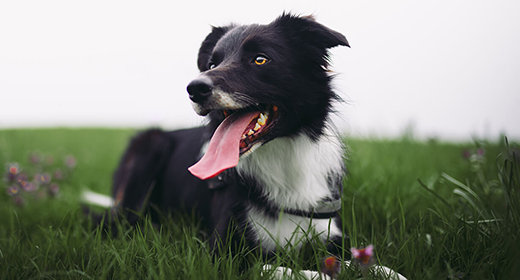
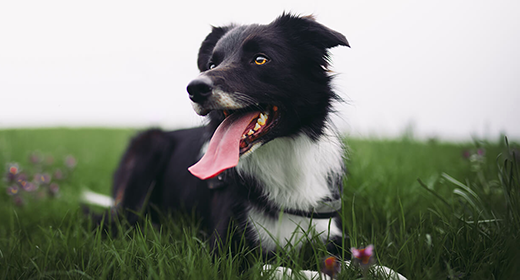
Chicken has been a widely popular and easily accessible source of protein for humans. However, when it comes to our canine companions, the role of chicken is a topic that demands exploration. From its countless health benefits to allergic reactions and dietary sensitivities, understanding the implications of incorporating chicken into a dog's meal plan is crucial for responsible pet care. Delve into the nuances of how chicken can serve as a valuable dietary component for dogs, uncovering the dos and don'ts that can help foster a balanced and nourishing diet for our beloved four-legged friends.
The short answer is yes, chicken is good for dogs. In fact, chicken is a common ingredient in many high-quality dog foods, owing to its rich protein content and relatively low fat. It provides essential amino acids that contribute to muscle development and overall health. However, it is crucial to prepare chicken appropriately for your furry friend as certain seasonings or cooking methods might be harmful.
While dogs are known to be natural carnivores, the consumption of raw chicken raises concerns. Raw chicken can potentially contain harmful bacteria such as salmonella or listeria, which pose health risks for dogs, just as they do for humans.
The consumption of raw chicken might lead to foodborne illnesses and digestive issues, causing vomiting, diarrhoea, or even more severe complications. Therefore, it is generally advised to thoroughly cook chicken before feeding it to your dog, eliminating any potential bacteria and making it safe for consumption.
While the appeal of a raw diet for dogs is gaining traction, the dangers of raw chicken consumption remain a significant concern:
Although rare, some dogs can develop allergies to chicken, resulting in various symptoms such as itching, skin irritation, gastrointestinal upset, and even respiratory issues. Chicken allergies in dogs are typically a response to specific proteins.
Dogs are omnivores, and aside from chicken, they can safely consume various other types of meat as part of a balanced diet.
Considering the risks associated with raw chicken consumption and potential allergies in dogs, seeking veterinary guidance is highly recommended. If your dog exhibits symptoms of an allergic reaction or has consumed raw chicken, a visit to the vet is crucial.
A veterinarian can conduct a thorough examination to identify the nature and severity of the allergic response and provide appropriate treatment options. Additionally, they can address any potential complications resulting from bacterial contamination, including gastrointestinal distress or other related health issues. Early intervention by a qualified veterinary professional can help mitigate the risks associated with food allergies and ensure the well-being of your canine companion.
Remember, the expertise of a veterinarian is essential, especially when it comes to handling food-related concerns. Seeking their advice and treatment can help safeguard your dog's health and prevent any further complications. Prioritising your dog's health and well-being through professional veterinary care can contribute significantly to their overall quality of life and long-term wellness.
Dogs can eat chicken, but the amount chicken should be in moderation, accounting for about 10% of their daily calorie intake, balanced with other nutrients for a complete diet.
Excessive chicken can lead to nutritional imbalances and potential health issues such as obesity or pancreatitis. Moderation is key.
Consumption of raw chicken can expose dogs to harmful bacteria like salmonella, leading to severe gastrointestinal problems, including vomiting and diarrhoea. Immediate veterinary attention may be necessary.


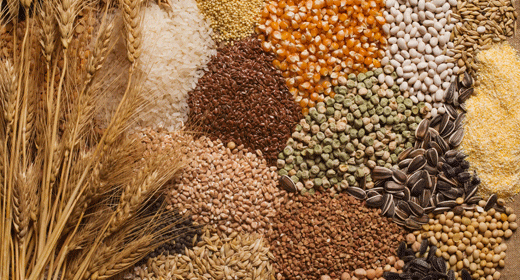
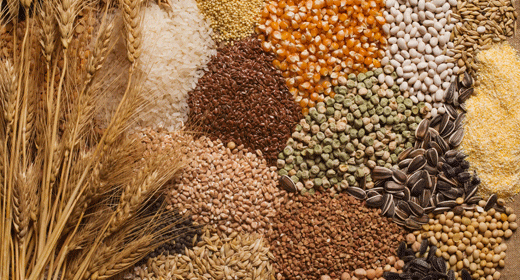
IAMS research has shown that some dog-food products are best formulated using a combination of carbohydrate sources. All IAMS dog foods are formulated precisely to meet the nutritional needs of your dog in his life stage. Such a combination offers optimal digestibility and helps maintain energy levels.
Our dog foods contain a variety of carbohydrate ingredients:
Barley: IAMS uses ground whole-grain barley that's cooked at high temperatures and finely ground in our dry dog-food formulas as part of our patented carbohydrate blend.
Corn: IAMS uses high-quality corn kernels that have been finely ground to break up the outside covering of each kernel, and then cooked at high temperatures to increase digestibility.
Grain sorghum: Also called milo, it is cracked, finely ground, and cooked before it is added to our dry dog foods. It is another carbohydrate source in our patented carbohydrate blend.
Rice flour: Our foods contain small kernels of white rice that have been separated from the larger kernels of milled rice, ground, and cooked at high temperatures to optimize digestibility.
Wheat: This is another high-quality carbohydrate source. In our biscuits, the wheat is an excellent, palatable carbohydrate source and adds a firm texture to the biscuit during the baking process.
Highly digestible diets are an important factor in the well-being of your dog. They deliver more essential nutrients more efficiently, so there is less waste.
Innovative and patented research by IAMS scientists has found that when the complex-carbohydrate sources grain sorghum and barley are used in a dog's diet, their breakdown is enhanced at another level.
These carbohydrate sources are all highly digestible, meaning your dog's body will still metabolize a high percentage of each for energy. What's unique about these grains is that they break down slowly and evenly, providing a stable source of energy.
The slow, even breakdown of grain sorghum, corn, and barley results in moderate, stable blood glucose levels after a meal. By minimizing swings in blood glucose, diets containing such a blend supply sustained energy. IAMS holds a patent on using grain sorghum and barley in a blend for dogs.