Enter a keyword below to search for articles and products.
Chicken has been a widely popular and easily accessible source of protein for humans. However, when it comes to our canine companions, the role of chicken is a topic that demands exploration. From its countless health benefits to allergic reactions and dietary sensitivities, understanding the implications of incorporating chicken into a dog's meal plan is crucial for responsible pet care. Delve into the nuances of how chicken can serve as a valuable dietary component for dogs, uncovering the dos and don'ts that can help foster a balanced and nourishing diet for our beloved four-legged friends.
The short answer is yes, chicken is good for dogs. In fact, chicken is a common ingredient in many high-quality dog foods, owing to its rich protein content and relatively low fat. It provides essential amino acids that contribute to muscle development and overall health. However, it is crucial to prepare chicken appropriately for your furry friend as certain seasonings or cooking methods might be harmful.
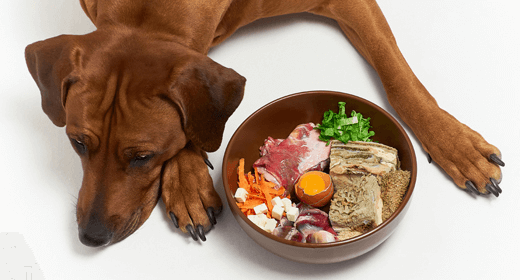
While dogs are known to be natural carnivores, the consumption of raw chicken raises concerns. Raw chicken can potentially contain harmful bacteria such as salmonella or listeria, which pose health risks for dogs, just as they do for humans.
The consumption of raw chicken might lead to foodborne illnesses and digestive issues, causing vomiting, diarrhoea, or even more severe complications. Therefore, it is generally advised to thoroughly cook chicken before feeding it to your dog, eliminating any potential bacteria and making it safe for consumption.
While the appeal of a raw diet for dogs is gaining traction, the dangers of raw chicken consumption remain a significant concern:
Although rare, some dogs can develop allergies to chicken, resulting in various symptoms such as itching, skin irritation, gastrointestinal upset, and even respiratory issues. Chicken allergies in dogs are typically a response to specific proteins.
Dogs are omnivores, and aside from chicken, they can safely consume various other types of meat as part of a balanced diet.
Considering the risks associated with raw chicken consumption and potential allergies in dogs, seeking veterinary guidance is highly recommended. If your dog exhibits symptoms of an allergic reaction or has consumed raw chicken, a visit to the vet is crucial.
A veterinarian can conduct a thorough examination to identify the nature and severity of the allergic response and provide appropriate treatment options. Additionally, they can address any potential complications resulting from bacterial contamination, including gastrointestinal distress or other related health issues. Early intervention by a qualified veterinary professional can help mitigate the risks associated with food allergies and ensure the well-being of your canine companion.
Remember, the expertise of a veterinarian is essential, especially when it comes to handling food-related concerns. Seeking their advice and treatment can help safeguard your dog's health and prevent any further complications. Prioritising your dog's health and well-being through professional veterinary care can contribute significantly to their overall quality of life and long-term wellness.
Dogs can eat chicken, but the amount chicken should be in moderation, accounting for about 10% of their daily calorie intake, balanced with other nutrients for a complete diet.
Excessive chicken can lead to nutritional imbalances and potential health issues such as obesity or pancreatitis. Moderation is key.
Consumption of raw chicken can expose dogs to harmful bacteria like salmonella, leading to severe gastrointestinal problems, including vomiting and diarrhoea. Immediate veterinary attention may be necessary.
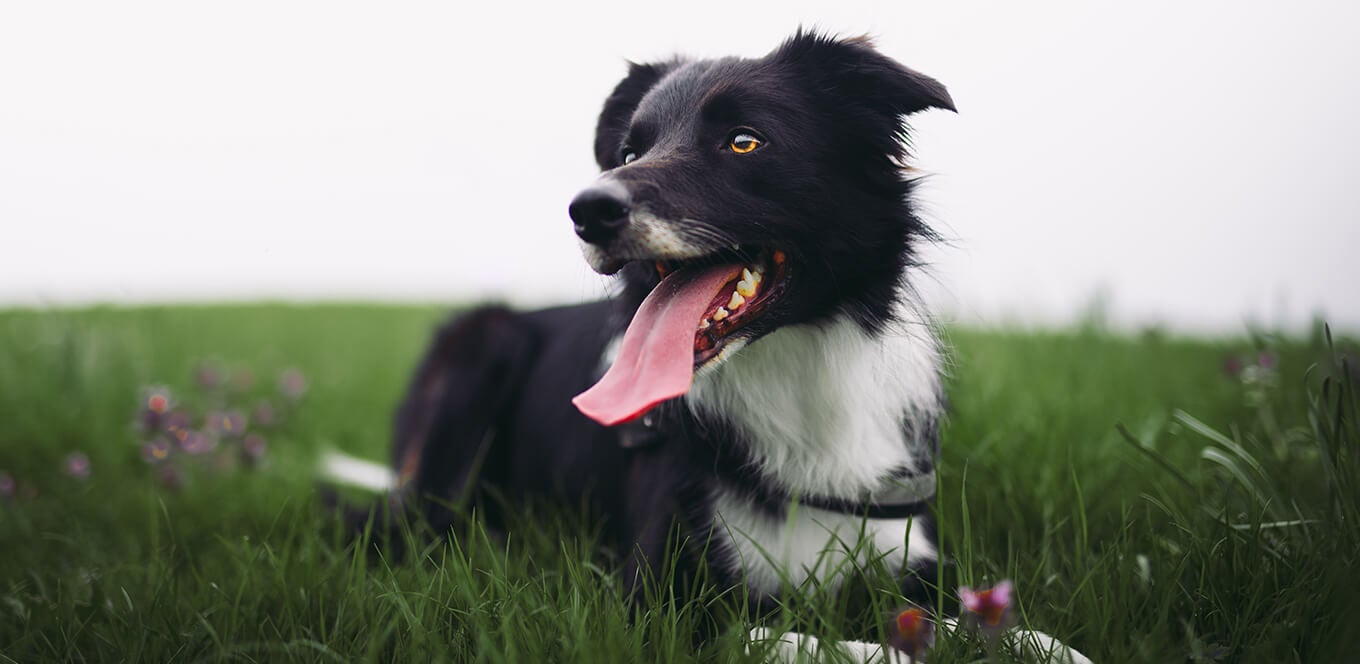
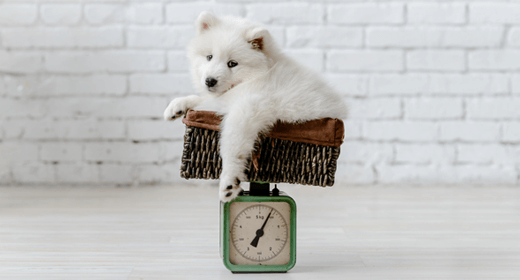
Just like in humans, obesity can lead to serious health issues in dogs as well. The primary causes of obesity in dogs are lack of physical activities, imbalanced diet, and overfeeding. If you notice a sudden increase in your dog’s weight despite having a normal diet and sufficient exercise, it could also be a sign of some hormonal disorder. Obese dogs are at risk of developing diabetes, heart diseases, bone deterioration, arthritis, and other severe disorders. Thus, it is crucial to monitor your dog’s weight.
Wondering what is the ideal weight for dogs? A dog’s healthy weight can differ from breed to breed; hence, you can consult your vet to understand the right weight range for your pet. However, the below dog weight chart will help you get an idea on whether your furry friend is underweight, healthy, or obese.
Underweight: You can clearly see an underweight dog’s ribs, spine, and hip bone. There is zero body fat and that can be seen on its body. In dogs who are genetically thin, the loss of muscle mass may be evident.
Ideal: You can easily feel the ribs, spine and hips of a dog that falls in an ideal weight category. Its waist should also be visible from above and the side. The last couple of ribs may be visible on a short-coated dog while playing or exercising, which is normal.
Overweight: A dog is considered overweight when it weighs 10-20% more than its ideal body weight. It is difficult to feel the ribs of these dogs. The fat accumulation is also visible at the base of its tail and on the belly. Its back also starts to appear broader. It is advisable to start working on shedding the extra kilos your dog has gained at this stage.
Obese: A dog is considered overweight when it weighs 20% more than its ideal weight. You cannot feel its ribs at all due to the heavy fat accumulation. Fat deposits are also visible around the dog’s neck and its belly also starts to droop.
You can measure your dog’s weight at home if your dog is a small breed. Here are the steps to follow while measuring the weight of your dog at home:
These steps should not be followed by those who have medium or large breed dogs. The size of your dog could make it difficult for you to hold it properly, and if it starts fidgeting, the handler or the dog could get injured. Hence, owners of medium and large breed dogs should go to the vet to weigh their pet.
You can easily manage your dog’s weight and maintain the ideal weight of your dog if you follow a regime and take the necessary steps. Here’s are some things you should keep in mind during your dog’s weight management:
Dogs remain healthy if their food quantity is controlled and they are fed on time. But you should avoid feeding your dog home-cooked food. Wondering why? It is because home-cooked meals might not have the right nutrients in the right quantities and that can later affect your furry friend’s overall health. Hence, to keep such risks at bay, it is best that you avoid feeding home-cooked food. In case you plan on giving your dog home-cooked meals, it is imperative that you follow the recipe to the T.
Your dog is your friend so, it's hard not to share your delicious bacon or a mouthful of steak with it. When your dog sits next to you and makes those adorable puppy-dog eyes as you eat, it becomes even more difficult to not share some of your food with it. But you must resist. Giving “human food” greatly increases your dog’s fat intake. It also conditions the dog to believe that it will be fed every time you eat.
Exercise is a great way to keep your dog in shape. If you have a busy schedule, then you could break it down into short sessions to play fun games like tug-of-war or go for a quick jog with your dog. You could also play with a frisbee or start working on its agility. Dogs that get enough exercise are less likely to be stressed and this way, you would also get a break from your work.
Of course, you want to reward a dog when it’s been a good boy or a good girl. But keep in mind that those dog treats can add calories and fat. And more importantly, think about how many types of treats and snacks you are feeding your dog and how often.
Of course, you want to reward a dog when it’s been a good boy or a good girl. But keep in mind that those snacks can add calories and fat. And more importantly, think about how many types of treats and snacks you are feeding your dog and how often.
There are lots of dog foods available in the market and each pack contains different quantities of proteins, vitamins, minerals, and other nutrients. You must go for foods that provide complete nutrition to your furry friend, and not just calories. Hence, it is necessary to opt for a pet food brand that specialises in dog nutrition.
At IAMS™, we have been focusing on bringing out the best in your dog through healthy food. Explore our range of dog food and choose a product that best suits your dog’s size and age. However, consult your vet regarding the serving size and other details. A vet will also provide you with the tips and tricks on keeping your dog’s weight under control.
If you're looking for the perfect dog for you, try our Dog Breed Selector today and enjoy a lifetime of tail-wagging joy.