Enter a keyword below to search for articles and products.
Bringing home a new puppy is a fun and exciting event for a first-time dog parent. Congratulations! If you have recently brought a cute little puppy home. We know the joy that comes with welcoming a tiny furry pup into your family; however, with a newborn pet comes new responsibilities. And the most important responsibility as a dog parent is being prepared with the right puppy essentials. These essentials will help you ensure that your four-legged angel feels comfortable in its new home.
However, if this is your first time being a pet guardian, you might be nervous about getting the right items for your floof. You might even get overwhelmed with the items that you need to buy for the health and safety of your fur baby. Therefore, you must be prepared with all the essentials well in advance. Since this is your first time, you must also learn basic skills like how to pick up a puppy. After all, you don’t want to make your pooch uncomfortable.
Puppies are cute and cuddly, which makes it impossible for new pet parents to not have the urge to pick and hold them at every instance. But before you rush to pick up the cuddly fur baby, you need to know how to pick a puppy in the correct way. Since its body is still developing, you must know how to hold your pooch without hurting its body. Given below are a few steps to follow for picking up a new puppy after bringing a puppy home.
Before you bring home your dog, make sure you have all the things needed for the puppy at home. Welcome your little one by keeping the new puppy checklist ready:
You need to arrange for a few things as your puppy is cosying up at the new place. The following are a few things you can do to make your puppy feel at home in its new abode:
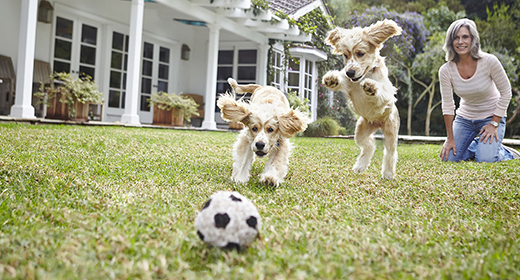
Ideally, take your kids along when adopting a puppy. This way, the children will feel more connected to the newest addition to the family. Once you get the puppy home, it is natural that your kids will want to play with the new family member. However, don't let them play together for longer durations as both puppies and babies need a lot of rest. Limit puppy-children play sessions to a maximum of 15 to 30 minutes twice or thrice a day. However, you should constantly observe them as both kids and puppies need constant guidance for safety.
Puppies are curious and clueless. They need constant observation to avoid accidents and clashes. You need to be vigilant and alert when introducing your new puppy to other pets. It is best to introduce the puppy to other pets once they have settled in the new place. Take the puppy to the senior dogs and allow them to mingle. Do not worry if they sniff or lick each other as it’s a normal way of greeting. However, you might need to intervene if they start biting or barking at each other.
Although bringing a puppy home is a joyous occasion, do not forget to get all the puppy essentials to welcome it to its new home. Make a new puppy checklist consisting of all the essential items that you need to get for the fur baby. Food, grooming kit, bedding, and treats are some of the most essential things you need to arrange for the new fur baby. However, along with arranging for materialistic things, you also need to create a safe, secure, and nurturing environment for your dog to grow in.
New puppy checklist is important to keep a track of essential items that you should buy before the pup comes home. This checklist covers all important things ranging from food, leashes, crates, and more.
There are many things needed for a puppy from time to time. Along with nutritious food, rest, and regular training, they also need a secure and enriching environment to grow in.
On your puppy’s first night home, it should sleep in a dog crate. Add blankets and cushions to ensure that the crate is cosy.
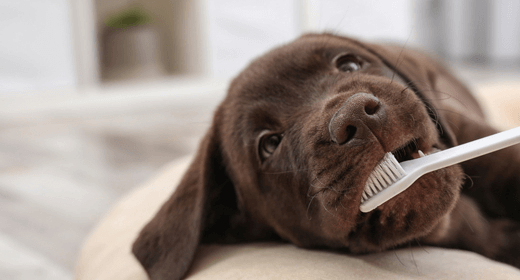
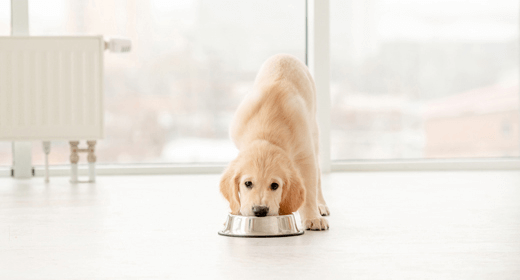
Puppies grow quickly and have special nutritional needs to keep their bodies strong. The most noticeable period of a pup’s growth phase is known as the rapid growth stage, which occurs between 2 and 6 months of age. From about 3 to 6 months, most pups will lose their puppy teeth. In fact, you might find a tooth near the feeding dish or on the floor, and this is quite normal. However, you may also be left wondering what to feed a teething puppy. This is a perfectly normal query that tends to concern a lot of pet parents.
During the teething phase, the young pup’s mouth and gums may be very sensitive, which could cause them to be a bit picky when it comes to eating. There's nothing you can do except to wait it out, even if their appetite is low for a couple of days.
While teething is painful for puppies, there are a few tips for teething puppy that can make them feel better. Here is a quick guide for you on what to give a teething puppy in terms of food and toys:
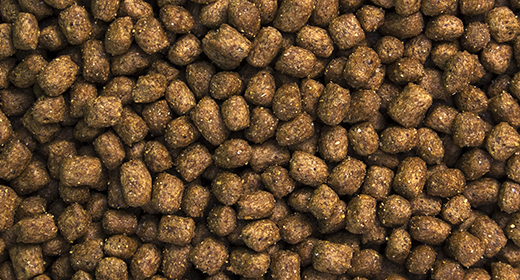
Your puppy may seem uninterested in dry food during teething. But don't switch to a new formula to stimulate your puppy's appetite. Changing food at this time can cause additional stress and intestinal upset. The tips below could help your puppy make the change:
Encourage your young dog to chew on toys by choosing chew toys that are appropriate for their size. Also, pick a variety of textures to keep them interested in the toys. You can also try giving them frozen toys that are shaped like a bone. Always keep an eye on the puppies while they are busy chewing the toys, to ensure they don’t bite off chunks. If that happens, do make sure to replace the toy immediately.
You can also give your puppy a clean and damp washcloth, chilled for a few hours. Chewing on this will also provide some much-needed relief. Do ensure that you supervise the puppy while they are chewing on this cloth so that they don’t ingest any sections of it.
Teething is a painful process for the puppies and can cause just as much inconvenience to the owners. Your puppy may lose their appetite and may experience a lot of pain and discomfort. But it is essential to get them through it all while also maintaining their diet. You can consult your vet for any major decisions or choices you make for your puppy during this time - the choice of toys, food, and other soothing methods. You will also have to keep constant vigilance to prevent your little companion from chewing on anything that may harm them, like shoes or the couch. These six months of the teething period may be hard, but you will certainly enjoy seeing them grow through this phase.
In addition to teething, ensuring excellent dental care for your dogs or puppies is of utmost importance. Discover our captivating blog post on dog dental care, and unlock a world of techniques to keep those pearly whites shining bright!