Enter a keyword below to search for articles and products.
Bringing home a new puppy is a fun and exciting event for a first-time dog parent. Congratulations! If you have recently brought a cute little puppy home. We know the joy that comes with welcoming a tiny furry pup into your family; however, with a newborn pet comes new responsibilities. And the most important responsibility as a dog parent is being prepared with the right puppy essentials. These essentials will help you ensure that your four-legged angel feels comfortable in its new home.
However, if this is your first time being a pet guardian, you might be nervous about getting the right items for your floof. You might even get overwhelmed with the items that you need to buy for the health and safety of your fur baby. Therefore, you must be prepared with all the essentials well in advance. Since this is your first time, you must also learn basic skills like how to pick up a puppy. After all, you don’t want to make your pooch uncomfortable.
Puppies are cute and cuddly, which makes it impossible for new pet parents to not have the urge to pick and hold them at every instance. But before you rush to pick up the cuddly fur baby, you need to know how to pick a puppy in the correct way. Since its body is still developing, you must know how to hold your pooch without hurting its body. Given below are a few steps to follow for picking up a new puppy after bringing a puppy home.
Before you bring home your dog, make sure you have all the things needed for the puppy at home. Welcome your little one by keeping the new puppy checklist ready:
You need to arrange for a few things as your puppy is cosying up at the new place. The following are a few things you can do to make your puppy feel at home in its new abode:
Ideally, take your kids along when adopting a puppy. This way, the children will feel more connected to the newest addition to the family. Once you get the puppy home, it is natural that your kids will want to play with the new family member. However, don't let them play together for longer durations as both puppies and babies need a lot of rest. Limit puppy-children play sessions to a maximum of 15 to 30 minutes twice or thrice a day. However, you should constantly observe them as both kids and puppies need constant guidance for safety.
Puppies are curious and clueless. They need constant observation to avoid accidents and clashes. You need to be vigilant and alert when introducing your new puppy to other pets. It is best to introduce the puppy to other pets once they have settled in the new place. Take the puppy to the senior dogs and allow them to mingle. Do not worry if they sniff or lick each other as it’s a normal way of greeting. However, you might need to intervene if they start biting or barking at each other.
Although bringing a puppy home is a joyous occasion, do not forget to get all the puppy essentials to welcome it to its new home. Make a new puppy checklist consisting of all the essential items that you need to get for the fur baby. Food, grooming kit, bedding, and treats are some of the most essential things you need to arrange for the new fur baby. However, along with arranging for materialistic things, you also need to create a safe, secure, and nurturing environment for your dog to grow in.
New puppy checklist is important to keep a track of essential items that you should buy before the pup comes home. This checklist covers all important things ranging from food, leashes, crates, and more.
There are many things needed for a puppy from time to time. Along with nutritious food, rest, and regular training, they also need a secure and enriching environment to grow in.
On your puppy’s first night home, it should sleep in a dog crate. Add blankets and cushions to ensure that the crate is cosy.
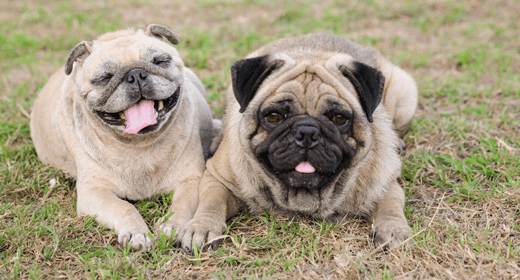
Physiological condition, rather than chronological age, determines whether a dog is mature. Aging begins when the body's systems start to slow down, when cells deteriorate faster than the body can repair them. Though large breeds tend to age faster than smaller breeds, the mature years generally begin at around 7 years (5 years for large breeds). If you feed your mature dog a diet designed to address the nutritional needs of his age, you can best maintain his overall health and well-being.
As your dog ages, it is important to detect and address with his veterinarian the telltale signs of aging or disease: a dull, dry coat and flaky skin, joint stiffness, energy loss, weight gain, increased water intake, digestive problems, and frequent constipation. These signs, among others, may be caused either by normal wear-and-tear or perhaps by the onset of disease. In any case, detecting and addressing them early may give your dog a greater chance to stay active and healthy.
When and how your dog responds to the aging process has a lot to do with genetics and environment, but nutrition plays an equally important role. The quality of food and its ability to maintain and nourish your dog's cells can help promote a long, healthy life.
As your dog ages and his systems become less efficient, he relies increasingly on the food you provide to make up for his body's shortfalls. According to Michael Hayek, PhD, an IAMS research nutritionist who specializes in geriatric nutrition, 'Aging dogs need the same nutrients as younger dogs; however, the quantity or the way the nutrients are provided may change.'