Enter a keyword below to search for articles and products.
Switching your dog to a new food takes some planning. Because dogs are creatures of habit, they tend to prefer their current food to a new food. Like us, they become accustomed to a food and might not be thrilled about a new routine. These useful dog-feeding tips will help you keep your dog satisfied.
When easing your dog into a change in diet, think “slow and steady.” Start by mixing 25% new food with 75% current food. Slowly change the proportions over the next three days or so by gradually increasing the new food and lessening the amount of the current food. Here’s a sample feeding schedule:
At the end of this weaning process, you should be feeding 100% of the new food. Your dog may want to eat only the old food, or not eat at all. Don’t worry — a healthy dog can miss meals for a day or two with no ill effects.
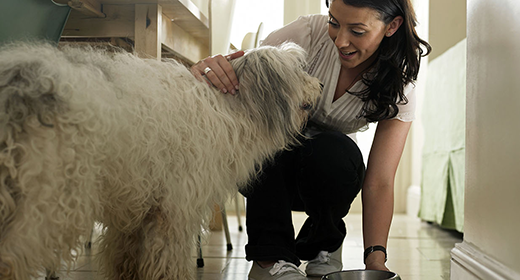
Bringing a new food into your home, pouring it into your dog’s bowl and declaring that he should eat it might cause your dog to go on a hunger strike. This is not the time to show who’s boss. It’s better to introduce the new food by using a pleasant tone of voice and gently encouraging him to try the new food.
Persistence is key! For the first two days of the food transition, don’t give your dog treats or table scraps. Dogs train us as much as we train them. Giving in to their demands only reinforces refusal behavior and makes it more difficult to make a nutritious dietary change.
Switching diets may be more challenging when changing from a moist food to a dry food. If your dog continues to resist eating dry food, mix in a little warm water. You might even want to put the moistened food in the microwave for a few seconds. If you mix the food with water, be sure to throw away the uneaten portion after 20 minutes to prevent spoilage. The same rule applies for canned and pouch food. After the dog has become accustomed to the moistened food, you can wean him onto completely dry food. To do this, follow the same mixing instructions outlined above.

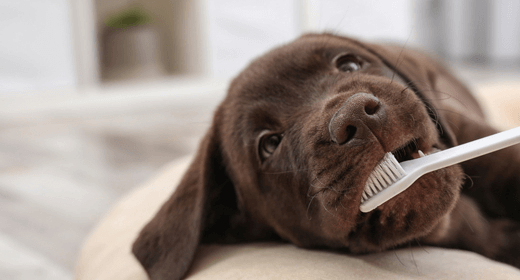
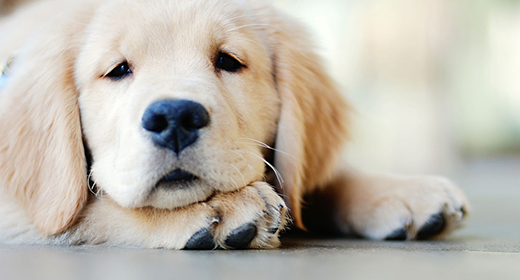
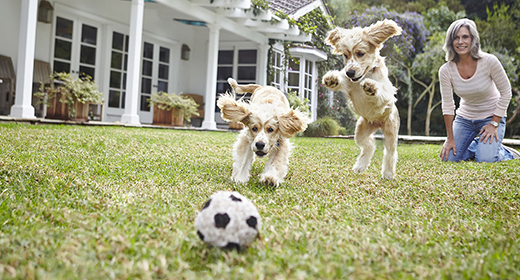
Puppies grow quickly and have special nutritional needs to keep their bodies strong. The most noticeable period of a pup’s growth phase is known as the rapid growth stage, which occurs between 2 and 6 months of age. From about 3 to 6 months, most pups will lose their puppy teeth. In fact, you might find a tooth near the feeding dish or on the floor, and this is quite normal. However, you may also be left wondering what to feed a teething puppy. This is a perfectly normal query that tends to concern a lot of pet parents.
During the teething phase, the young pup’s mouth and gums may be very sensitive, which could cause them to be a bit picky when it comes to eating. There's nothing you can do except to wait it out, even if their appetite is low for a couple of days.
While teething is painful for puppies, there are a few tips for teething puppy that can make them feel better. Here is a quick guide for you on what to give a teething puppy in terms of food and toys:
Your puppy may seem uninterested in dry food during teething. But don't switch to a new formula to stimulate your puppy's appetite. Changing food at this time can cause additional stress and intestinal upset. The tips below could help your puppy make the change:
Encourage your young dog to chew on toys by choosing chew toys that are appropriate for their size. Also, pick a variety of textures to keep them interested in the toys. You can also try giving them frozen toys that are shaped like a bone. Always keep an eye on the puppies while they are busy chewing the toys, to ensure they don’t bite off chunks. If that happens, do make sure to replace the toy immediately.
You can also give your puppy a clean and damp washcloth, chilled for a few hours. Chewing on this will also provide some much-needed relief. Do ensure that you supervise the puppy while they are chewing on this cloth so that they don’t ingest any sections of it.
Teething is a painful process for the puppies and can cause just as much inconvenience to the owners. Your puppy may lose their appetite and may experience a lot of pain and discomfort. But it is essential to get them through it all while also maintaining their diet. You can consult your vet for any major decisions or choices you make for your puppy during this time - the choice of toys, food, and other soothing methods. You will also have to keep constant vigilance to prevent your little companion from chewing on anything that may harm them, like shoes or the couch. These six months of the teething period may be hard, but you will certainly enjoy seeing them grow through this phase.
In addition to teething, ensuring excellent dental care for your dogs or puppies is of utmost importance. Discover our captivating blog post on dog dental care, and unlock a world of techniques to keep those pearly whites shining bright!