Enter a keyword below to search for articles and products.


Cats are known to be finicky and picky about a lot of things. Their pickiness in terms of toys and activities is fine and completely natural; if it extends to their eating, things could get a little concerning. If your cat is a picky eater, you can try a few remedies such as serving them different food items. If they still turn away from the food served, you should consult a vet. However, before drawing any conclusions, it is necessary to understand that it is in a cat’s nature to be fussy. And while your feline friend may be stubborn initially, they tend to adapt to a set routine eventually. So, here is a brief guide to help you better understand your cat’s pickiness about food.
There are certain reasons why your cat turns from the food served. This behaviour may not necessarily indicate that your cat is a finicky eater.
If your cat is refusing to eat food served to them, it is possible that they are not hungry. Some possible reasons for this could be that they have been munching throughout the day and have had a lot of treats. If your cat does roam around outdoors by themselves, it is entirely possible that they switched to their hunting instincts and caught prey.
If you notice your cat has not eaten in more than 24 hours, it might be a sign of an underlying weakness and it is best to consult a vet in this matter.
Improper routine
Despite being finicky, cats are creatures who thrive on routine. So, when it comes to their daily feeding, it is best to establish a routine and stick to it. If your cat is not served meals at regular times, they may refuse to eat.
If you have not cleaned your cat’s serving plate before pouring in their food, they may not enjoy the meal. Cats may refuse to eat out of a soiled bowl or plate, so ensure that your pet’s serving dish is always clean.
A lot of cats tend to enjoy eating alone. They do not like consuming meals in the presence of others or being the centre of attention during meal times.
If your cat starts eating less, you may want to look for a factor that could be causing stress. Has another animal been added to the household? Has a family member left or died? Have the cat's surroundings changed, such as a move to a new house? When the stress is removed, your cat will probably go back to a normal diet. If your cat seems healthy, happy, and lively, and has a good coat and clear eyes, there is little cause for concern. Cats also have an uncanny ability to smell changes in the world around them. Even a new bowl can disturb a cat's eating habits. Some cats refuse to eat from plastic or hard rubber bowls.
Medical factors also could contribute to a change in your cat’s eating habits. The only way to verify this is to visit a veterinarian. If the medical examination does not verify that a problem exists, your cat may be manipulating you in grand style!
If your cat is a picky eater and it’s tough to get them to finish a meal, here are some tips you could try:
Heat wet food before serving
Cats have a strong sense of smell and enjoy food by its aroma. If the wet food you served them has gone cold, it may not give off the aroma that cats love. So, heating the meal a little may help.
Clean the serving dish/bowl
Since cats have a strong sense of smell, they will know if their serving bowl is unclean. If so, it can quickly kill their appetite and they may turn away from the food. So, ensure that you always serve meals to your cat in a clean dish/bowl.
Add chicken broth/tuna water/cat oil to their food
Try to entice your cat to eat food by adding a little amount of warm chicken broth, tuna water, or cat oil to the meal. This will significantly improve the smell of the food for the cats. However, do be sure to never serve anything containing onions, chives, or garlic, as these ingredients can be harmful to a cat.
Try different foods
If your cat is still refusing to eat, it may be time to change the food. You may have to try a different product and hope your pet likes the new one.
If despite trying everything your cat still won’t eat, it is time to consult your vet. Also, if your cat has gone more than 24 hours without eating anything, you should visit the vet immediately as your pet could be ill.
If your cat is set on a routine that needs to be changed, make the change slowly and gradually. Your cat may not like a sudden switch in things and can continue to refuse to eat. If you wish to switch your fur baby over to different food, start off by mixing a little quantity of the new food with their current food, over the span of a few days. Gradually, increase the quantity of the new food item until it is the only thing being served.
Switching to a new cat food can be tough. IAMS™ recognises that caring cat owners want to have the option of feeding their pet a more varied diet. IAMS cat foods offer a number of nutritional choices for your cat, including dry and canned foods, naturally preserved diets, and options for overweight cats or cats with reduced activity levels. All IAMS™ cat foods are complete and balanced for specific lifestyles and life stages. Consult your veterinarian or a Pet Professional at The IAMS Company to discuss the best selection for your cat.
Here are some more things you need to keep in mind as a cat parent.
Make sure that your cat has a quiet, comfortable place to eat.
And remember, your cat needs to visit the veterinarian regularly. Regular visits help keep your cat happy and healthy!
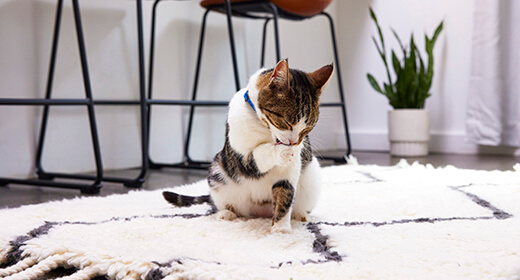
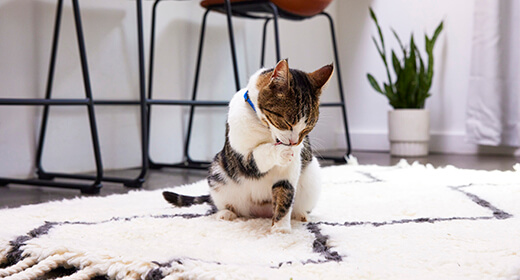
If you share your living space with a feline friend, you’ve likely experienced the fascinating yet perplexing world of cat nails. From the loud, rhythmic sound of scratching that greets your early morning to those tiny prods every now and then, the claws of cats are as intricate as they are functional. Let's take a journey together to understand why cats scratch and learn how to cut a cat's nails.
First and foremost, let's understand why your cat is a passionate ‘cat clawing expert’. Cats scratch for various reasons, including claw maintenance, exercise, marking territory, and even attention-seeking. Scratching enables them to remove the outer husk of their claws, revealing a sharp new surface underneath. Additionally, scent and sweat glands in their feet produce a unique smell, which is deposited when they scratch, marking their territory - a clever, multi-purpose act, isn't it?
If you're wondering, 'how much cat clawing is too much?', you're not alone. Many cats scratch indoors due to limited outdoor access, comfort, or safety concerns. If you find your cat scratching extensively, especially around doorways and windows, it could be a sign of insecurity or anxiety.
Spotting when your cat's nails are too long is crucial. Overgrown cat nails can cause injuries to their paw pads, lead to changes in gait which can affect their joints, and cause damage to your furniture. Generally, indoor cats require nail trims every couple of weeks, whereas outdoor cats may need them less frequently.
When it comes to cutting cat nails, creating a calm environment is key. Choose a quiet spot and find a comfortable position for you and your cat. You could try trimming their nails when they're sleepy or relaxed, like after a meal. Avoiding distractions such as windows or other pets can also make the process smoother.
Get your cat used to paw handling. Gently hold and rub their paw daily for a few seconds. If they're comfortable, extend a nail and reward them with a treat. This slow, rewarding process will make them more amenable to cat nail trimming.
When learning how to cut a cat's nails, it's important to familiarize your cat with the nail clipper. Let them see and sniff it to reduce anxiety. You could also familiarize them with the sound of the clipper by cutting a piece of dry spaghetti near their paw. Always remember to reward their calm behaviour.
Now it's time to clip. Carefully isolate the nail to cut and note where the quick is -- a vein that can cause pain and bleeding if cut. Cut the nail at a 45-degree angle, starting with the very tip. Be patient and careful not to cut the quick.
This isn't a race, so take your time when clipping cat nails. If your cat becomes agitated after a few nails, stop the session, and try again later. Forcing the process can cause stress and erode trust.
Maintaining a consistent cat nail trimming schedule is vital. As a rule of thumb, trim their nails once every one and a half to two weeks. But remember, every cat is different, so adjust as necessary. If you struggle with the process, seek advice from a professional groomer or veterinarian.
To keep your beloved furniture intact, providing an acceptable alternative to your cat's claws is crucial. A cat scratching post, sturdy and tall enough for the cat to stretch fully, is an excellent solution. These scratching posts mimic the texture and orientation (horizontal or vertical) of their preferred scratching area, redirecting their cat clawing behaviour.
Kitten nail trimming is similar to adult cat nail trimming, but with a few modifications. Firstly, begin the process of desensitizing their paws early. Show them the nail clipper and make sure it's not a source of fear. When cutting kitten nails, remember they're smaller and softer, so be extra cautious. And, don't forget the kitten scratching post. It's never too early to provide alternatives for their clawing needs.
With these steps, you're now well-equipped to take care of your cat's claws. Remember to stay patient and calm during the process, and always reward your cat for their cooperation. In no time, you'll become a pro at handling your feline friend's claws, ensuring their comfort and wellbeing.