Enter a keyword below to search for articles and products.
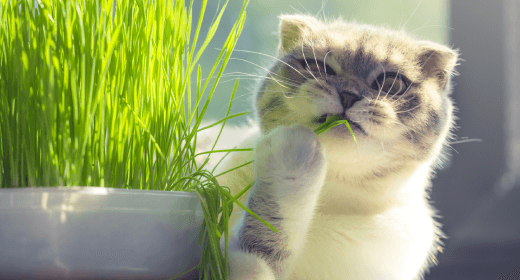
A cat’s diet largely includes other smaller animals as they are carnivorous. However, most cats avoid consuming the animal’s intestinal tract which contains most fibre. This can lead to a lack of fibre in the cat’s diet. But do cats need fibre? Yes. Lack of fibre can result in irregular bowel movement, digestive issues, and other similar health concerns.
Cats often munch on green grass and leaves to ease constipation. However, they might resist including fibre in their daily meal and only rely on it when ill. But, to ensure your cat’s best physical well-being, you should choose fibre-rich food for cats.
Fibre-rich cat food is essential as it helps in maintaining their digestive health. Thus, pet parents should try to include the necessary amount of fibre in their kitty’s diet. It will help maintain their digestive health and overall well-being. Cat food fibre can be classified based on its solubility.
While choosing cat food with fibre, you should make sure it includes both soluble and insoluble fibre. Besides, the cat’s gut bacteria can break down both soluble and insoluble fibre to produce new compound that helps in nourishing their colon cells.
Fibre-rich cat food contains prebiotics, which means they also contain good bacteria that are necessary for a healthy intestine. So, as a cat parent, you should invest in high-quality cat food with fibre to keep your little fur baby’s gut health in check. However, how much fibre does a cat require??
Although fibre is essential for cats, they require it in limited quantities. Too much fibre can risk restricting absorption of nutrients in their body, whereas too little can lead to poor digestive health. The appropriate quantity of fibre for cats is between 1.4 to 3.5% of their daily calorie intake.
Planning to include cat food with fibre in your kitty’s daily diet? Consider adding the following food options to their meal to increase fibre content in your fur baby’s diet.
Besides relying on the above-mentioned plant-based and animal-based fibre, you can also buy IAMS high-fibre cat food to ensure that your kitty gets the right amount of fibre in its meal. IAMS high-fibre cat food such as IAMS ProActive Health Adult Original with Chicken contains a moderate quantity of fermentable fibre along with the chicken. This cat food with fibre is made using fermentable fibre and chicken that your cat is sure to relish. Besides, IAMS is a popular cat food brand that is known for using best-quality ingredients, so your furry friend gets nothing but the best.
You can easily add fibre into your cat’s diet by choosing a cat food brand that offers fibre-rich cat food or by adding animal-based or plant-based fibre to their daily meal.
Yes, cats need fibre for better gut and intestinal health. However, a cat’s fibre intake should not be more than 3.5% of its daily calorie diet.
Dry food often has more fibre as it contains more bulk compared to wet food which contains more moisture.
Yes, all cats need fibre for better digestion and gastrointestinal health.
Plant-based fibre such as broccoli, lettuce, carrots, wheat brans, spinach, wheatgrass, and green beans are good for cats. You can also add animal-based fibre such as animal feathers, cartilage, bone, and ligaments to your cat’s diet for encouraging fibre consumption.
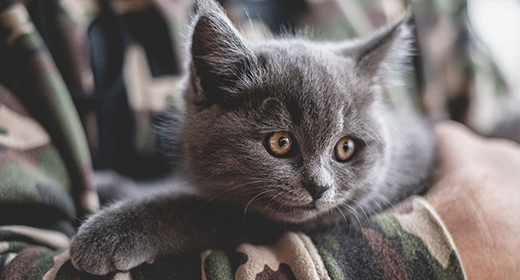
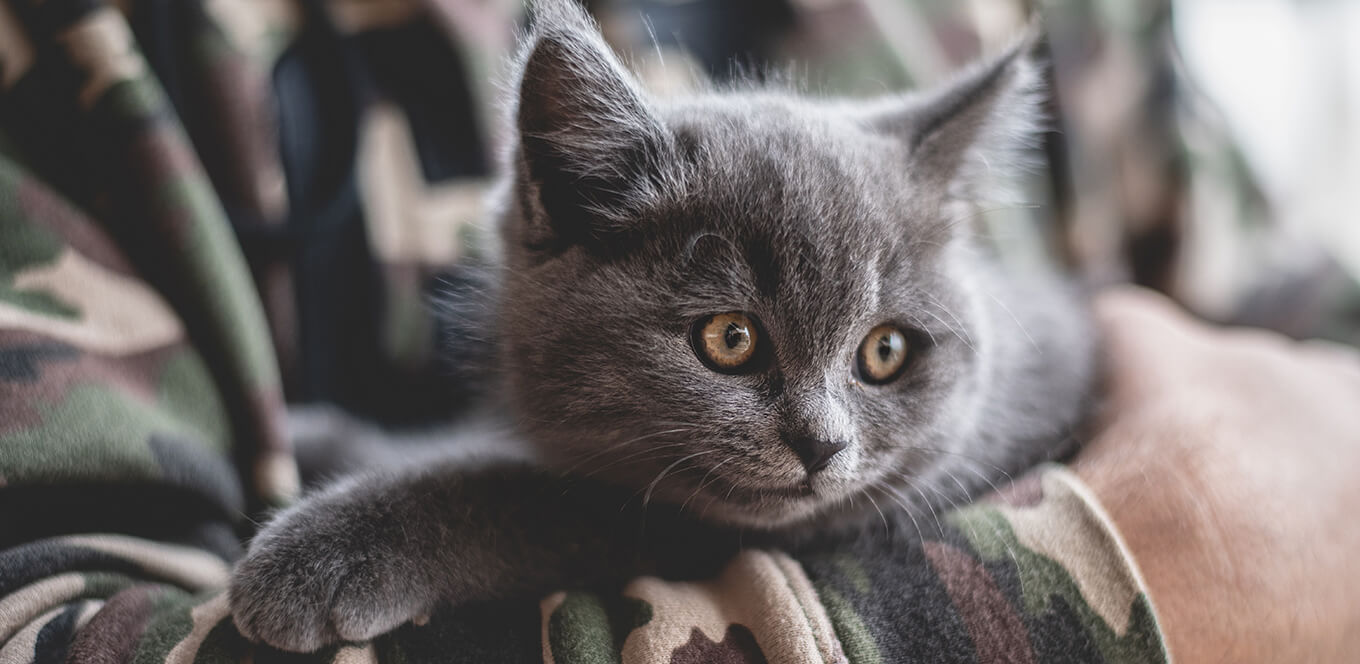
How can you help your kitten live a long and healthy life? Although you can’t predict the health of your cat with certainty, you can increase the probability of both her general health and a long life through proper care that begins as soon as you bring her home. Your veterinarian can advise further on these five key considerations for taking care of your kitten.
Feed your kitten high-quality food designed to meet nutritional needs during specific stages of her life. Your kitten’s nutritional requirements will depend on her life stage and lifestyle. No matter the life stage, cats are carnivores and require nutrients from animal protein and fat for optimal health.
Prevent obesity with prudent portion control and frequent play activities. Exercise relieves stress, reduces aggression and keeps cats alert. Just 15 to 30 minutes of play a day can help keep your cat in shape and strengthen the bond between the two of you. In addition, getting your kitten used to playtime early on will help you get used to playing with your cat routinely.
Keep your kitten inside to help reduce the risk of illness or injury from accidents, fights and disease. As your kitten gets older, you can help avoid the stress of harassment from other animals by keeping your kitten inside. You should make your home safe by protecting your cat from environmental dangers, such as household cleaners and secondhand smoke. Cats frequently groom themselves with their tongues, and over time, even small amounts of harmful chemicals can have adverse effects.
Groom your kitten early and often to get her used to brushing. When brushing, check for bumps or abnormalities, and promptly seek veterinary advice if you discover anything suspicious. Take your cat to the veterinarian at least annually for a complete physical exam, and follow your veterinarian’s advice regarding preventive health care measures.
Your veterinarian may also recommend periodic professional cleaning of your cat’s teeth, which may preserve years of her life.
Last but not least, give your cat lots of love! Despite some cats’ aloof demeanor, all cats thrive on affection. Both you and your cat will reap the benefits of spending quality time together.
It was once thought that one year in the life of a cat was equivalent to seven years of a human life. Below is a revised way of looking at how a cat year stacks up to a human year.
| Cat Age | Human Age |
|---|---|
| 6 months | 10 years |
| 8 months | 13 years |
| 10 months | 14 years |
| 1 year | 15 years |
| 18 months | 20 years |
| 2 years | 24 years |
| 3 years | 28 years |
| 4 years | 32 years |
| 5 years | 36 years |
| 6 years | 40 years |
| 7 years | 44 years |
| 8 years | 48 years |
| 9 years | 52 years |
| 10 years | 56 years |
| 11 years | 60 years |
| 12 years | 64 years |
| 13 years | 68 years |
| 14 years | 72 years |
| 15 years | 76 years |
| 16 years | 80 years |
| 17 years | 84 years |
| 18 years | 88 years |
| 19 years | 92 years |
| 20 years | 96 years |
| 21 years | 100 years |