Enter a keyword below to search for articles and products.
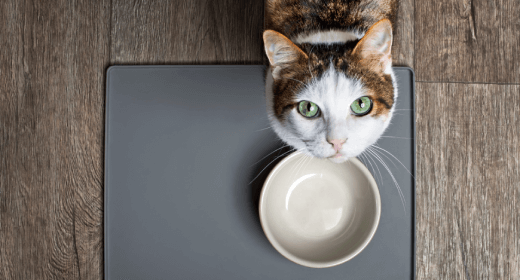
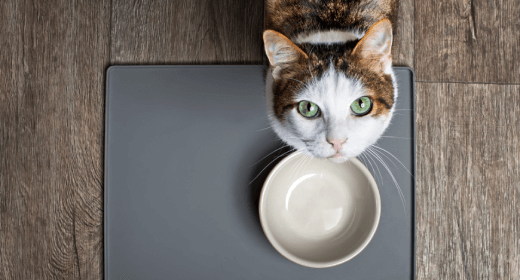
Deciding when and how you should change your cat's diet takes some planning. Because cats are creatures of habit, it is not uncommon for them to prefer their current cat food to a new food. They, like humans, become accustomed to something, such as a particular food, and may not welcome a disruption to their routine.
The following tips should help you change your cat's diet and successfully transition your cat to a new food:
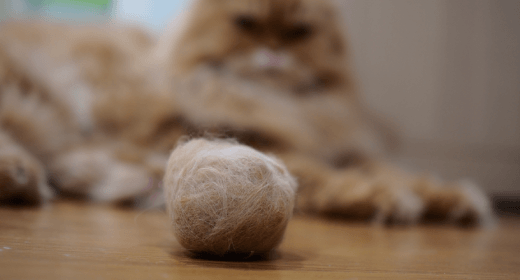
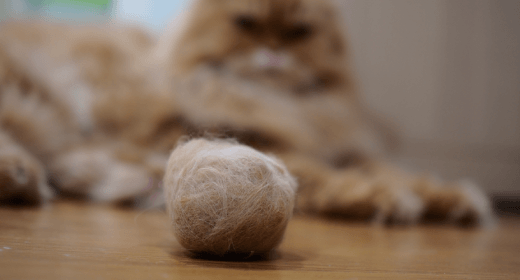
You love your cat. But the sight of watching your cat gag and cough up a hairball is anything but pleasant. Moreover, cat hairball can also cause intestinal blockages, which can lead to serious health issues for your cat.
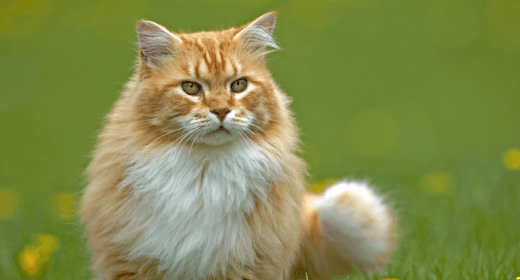
Cat furball is common, but its seriousness varies from cat to cat. Long-haired breeds, such as Maine Coons and Persians, are more susceptible to developing hairballs. Besides, hairballs are more common in cats who shed excessively or groom themselves obsessively because they swallow a lot of fur.
In fact, you may have noticed that your cat didn't have hairballs when it was younger but developed the habit as it grew older. Cats become better groomers and even better at getting rid of fur from their coats with their tongues, resulting in more hairballs for you to clean up. It is this grooming behavior that is linked with the intake of fur.
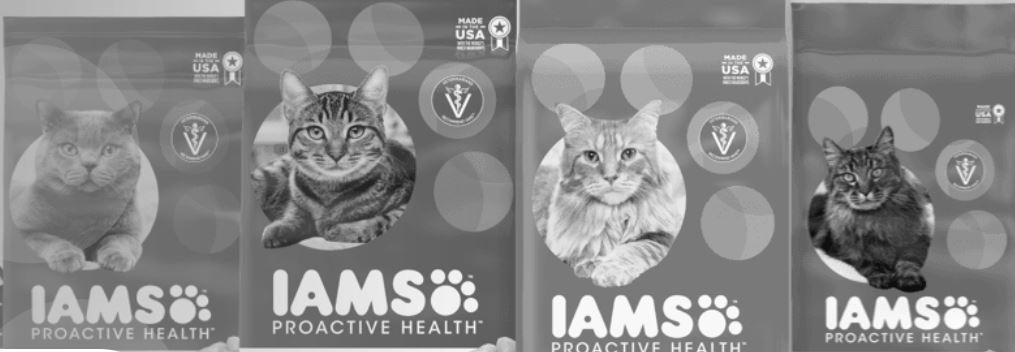
Diet can be important in hairball relief for several reasons. The fiber combination of powdered cellulose and beet pulp in IAMS™ hairball formulas help move hair through the digestive tract. IAMS research has shown that cats fed IAMS ProActive Health™ Adult Hairball Care pass 80% more hair in their feces than cats fed a leading premium dry cat food. By helping ingested hair to be passed from the digestive tract, IAMS hairball formulas help reduce the opportunities for hairballs to form. This fiber blend also includes a moderately fermentable component to promote intestinal health. High-quality, animal-based protein and fat, found in IAMS hairball formulas, provide important nutrients for skin and coat health. Maintaining skin and coat health may reduce the risk of excessive shedding, ingestion of hair from grooming, and, consequently, hairball formation.
It's important to treat your cat's lack of appetite, as even a short period of time without food can have a significant influence on your cat's health. A decrease in appetite could suggest that your cat's hairballs have caused an intestinal blockage. It can also be an indication of a range of other issues. But regardless of the underlying cause, it is a problem that must be addressed as soon as possible.
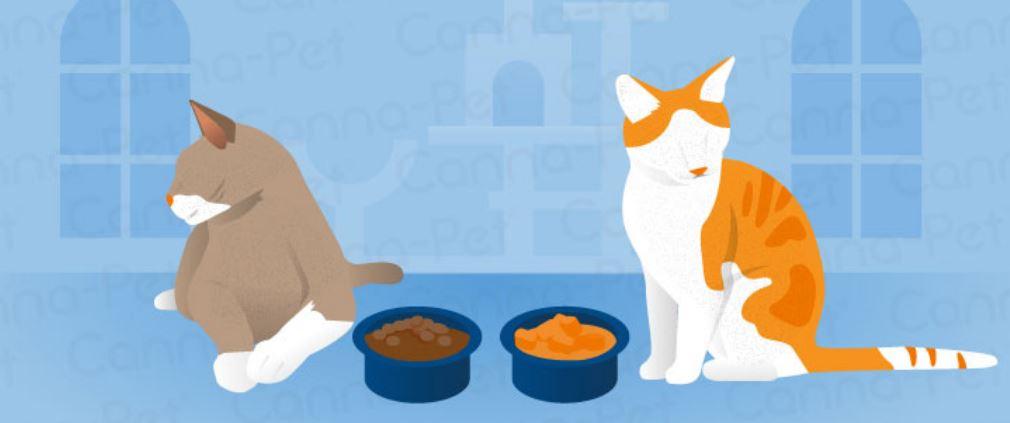
Fatigue and lethargy are also common signs of a range of health problems in cats. They can, however, arise in conjunction with intestinal clogs. If your cat appears lethargic or weak, it may have a hairball blockage and require medical attention.
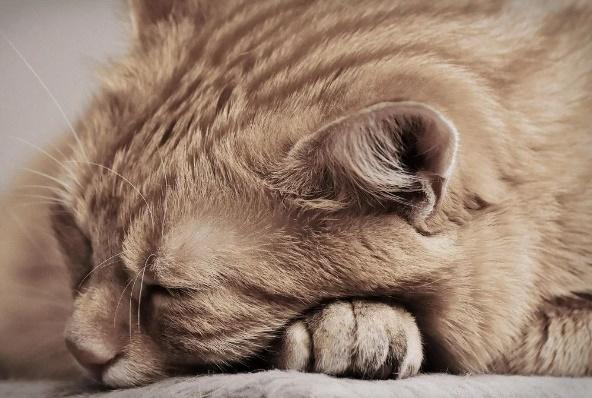
Keep a watch on your cat's litter box if they are vomiting hairballs frequently. Hairballs and constipation are both signs of a hazardous blockage that should be treated by an emergency veterinarian. Constipation in cats can be fatal on its own. Therefore, this is an issue that needs to be addressed correctly to ensure your cat is healthy.
This could indicate that something is extremely wrong with your cat's digestive system, especially if it happens frequently. Cats with frequent diarrhea can quickly get dehydrated, so make sure they're getting enough water. Try boosting their liquid intake with wet food until you can get them to the vet.
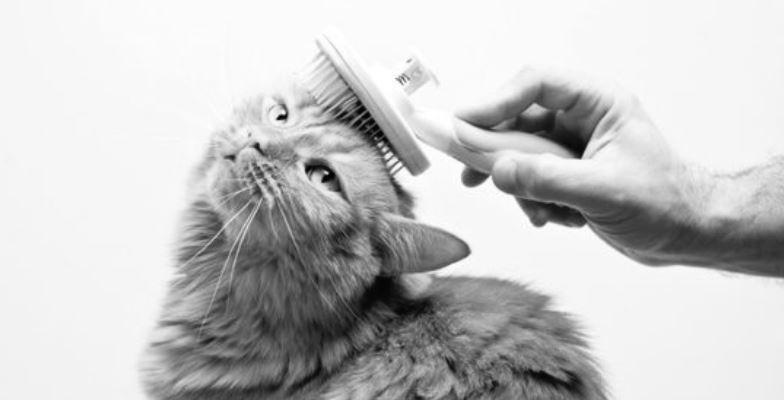
If your cat is getting constant hairballs, then you should take your cat for regular grooming. The best way to overcome cat hairball issues is by brushing or combing their fur regularly. This way, less fur will wind up in their stomach as hairballs. It will also be a fun way for you to bond with your cat.
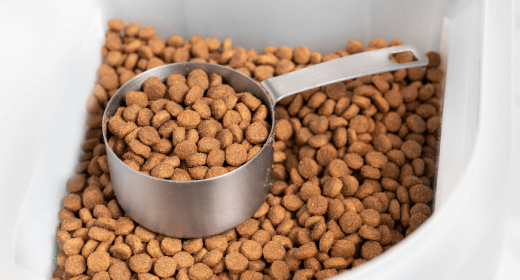
Hairball formula or cat food is another remedy to prevent cat hairball. Hairball-reduction cat diets are now available from any pet food company. These high-fiber compositions are meant to promote the health of your cat's coat, reduce shedding, and help hairballs move through the digestive tract in cats.
There are several cat hairball treatment products available on the market today. The best thing about them is that most of those laxatives are mild that aid in the easy passage of hairballs through the digestive tract.