Enter a keyword below to search for articles and products.


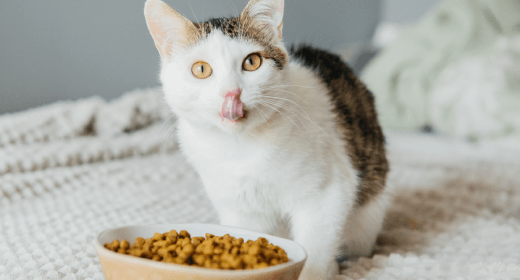
Compared with humans, your favorite feline needs a high-fat, high-protein diet with certain animal nutrients.
Cats usually eat many small meals throughout the day, so they easily adopt a free-choice feeding schedule to maintain their normal body weight. Dry foods, such as IAMS™ ProActive Health™ Adult Original with Chicken, are best suited for free-choice feeding because they stay fresh longer.
Cats need nutrients from animal-based protein sources. Providing the vitamins, minerals, protein, and other components found in a complete and balanced pet food can lead to a long and healthy life for your cat. It is important to avoid supplementing your cat's diet, as doing so may lead to a variety of health problems. When selecting a pet food, look for ones that offer the following nutrients:
Pregnant or Lactating Cats
A cat's energy intake should be increased gradually by up to 50% over her maintenance intake through pregnancy. You can use kitten food to provide nutritional support during the last few weeks of gestation.
After birth, the mother cat's energy needs increase by 50% to 75% over normal in the first week to twice normal the second week and to three times during the third week. The third and fourth weeks are the most demanding because kittens are still consuming milk and have not begun to eat dry or canned food. Once kittens begin weaning, the mother cat should be tapered back to normal food portions to avoid unnecessary weight gain.
Avoiding Obesity
Food and energy requirements may vary for your adult cat. In general, indoor cats have less opportunity or need to exercise than outdoor cats. As a result, indoor cats are more prone to obesity, and regular exercise should be encouraged. You may want to control your cat's portions and choose a cat food made to help maintain weight.
Preventing Hairballs
Cats spend a considerable amount of time grooming. In the process, hair can be swallowed and build up in the stomach. If the hairball doesn’t pass into the intestines, a cat may try to cough it up. A special diet can help decrease the likelihood of hairballs, but you may decrease its effectiveness if you combine it with other foods.


How can you help your kitten live a long and healthy life? Although you can’t predict the health of your cat with certainty, you can increase the probability of both her general health and a long life through proper care that begins as soon as you bring her home. Your veterinarian can advise further on these five key considerations for taking care of your kitten.
Feed your kitten high-quality food designed to meet nutritional needs during specific stages of her life. Your kitten’s nutritional requirements will depend on her life stage and lifestyle. No matter the life stage, cats are carnivores and require nutrients from animal protein and fat for optimal health.
Prevent obesity with prudent portion control and frequent play activities. Exercise relieves stress, reduces aggression and keeps cats alert. Just 15 to 30 minutes of play a day can help keep your cat in shape and strengthen the bond between the two of you. In addition, getting your kitten used to playtime early on will help you get used to playing with your cat routinely.
Keep your kitten inside to help reduce the risk of illness or injury from accidents, fights and disease. As your kitten gets older, you can help avoid the stress of harassment from other animals by keeping your kitten inside. You should make your home safe by protecting your cat from environmental dangers, such as household cleaners and secondhand smoke. Cats frequently groom themselves with their tongues, and over time, even small amounts of harmful chemicals can have adverse effects.
Groom your kitten early and often to get her used to brushing. When brushing, check for bumps or abnormalities, and promptly seek veterinary advice if you discover anything suspicious. Take your cat to the veterinarian at least annually for a complete physical exam, and follow your veterinarian’s advice regarding preventive health care measures.
Your veterinarian may also recommend periodic professional cleaning of your cat’s teeth, which may preserve years of her life.
Last but not least, give your cat lots of love! Despite some cats’ aloof demeanor, all cats thrive on affection. Both you and your cat will reap the benefits of spending quality time together.
It was once thought that one year in the life of a cat was equivalent to seven years of a human life. Below is a revised way of looking at how a cat year stacks up to a human year.
| Cat Age | Human Age |
|---|---|
| 6 months | 10 years |
| 8 months | 13 years |
| 10 months | 14 years |
| 1 year | 15 years |
| 18 months | 20 years |
| 2 years | 24 years |
| 3 years | 28 years |
| 4 years | 32 years |
| 5 years | 36 years |
| 6 years | 40 years |
| 7 years | 44 years |
| 8 years | 48 years |
| 9 years | 52 years |
| 10 years | 56 years |
| 11 years | 60 years |
| 12 years | 64 years |
| 13 years | 68 years |
| 14 years | 72 years |
| 15 years | 76 years |
| 16 years | 80 years |
| 17 years | 84 years |
| 18 years | 88 years |
| 19 years | 92 years |
| 20 years | 96 years |
| 21 years | 100 years |