IAMS MY
Tips for Feeding Your Senior Cat

adp_description_block216
Comprehensive Guide to Feeding Senior Cats

  • Share

Cats are known for their graceful demeanor and independent attitude. Their average lifespan is approximately 12 to 18 years. Cats over 3 years of age are deemed adults, and from the age of 11 years, they become senior cats.

Like most animals, cats’ eating habits also change with age – kittens often need more food as they require more energy, and adult cats require a moderate amount of food to have sufficient energy. Senior cats often have a smaller appetite compared to their younger counterparts. Therefore, pet parents should keep track of their cat’s changing food requirements. Read the following if you too have queries related to feeding cats or how to feed older cats.
 

Why pay special attention to senior cats’ diets?

Your senior cat’s health and well-being are directly linked to their eating habits. Cat caregivers need to be more vigilant while feeding senior cats to ensure that their feline friend is provided with the right amount of nutrition and nourishment. 
 

As a pet parent, you need to be mindful when feeding your cat. It has different nutritional requirements at various stages of its life. Kittens need to be fed with uttermost care to ensure appropriate growth and development, adult cats need well-monitored feeding portions to avoid overeating, and senior cats need a regularised diet to maintain their health. Hence, senior cat food contains high-quality protein and added vitamin E for more bone and joint strength.
 

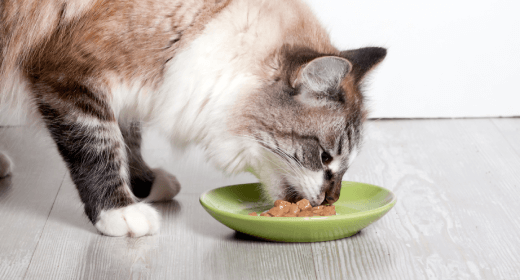
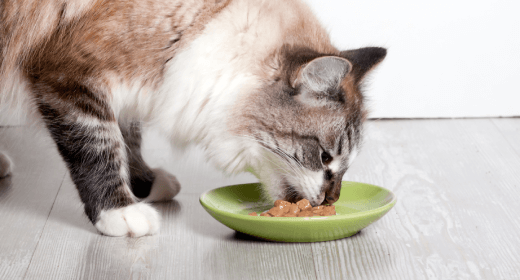
As cats grow older, their sense of taste and smell begin to fade. Senior cats also experience deteriorating teeth which affect their ability to chew. Hence, older cats’ caregivers need to take the following measures while feeding them:

  • Feed small bite-sized pieces of food instead of larger chunks
  • Include softer food so that it is easier for your senior cats to properly chew the food

  • Add food with higher meat content to enhance the food’s smell and flavor

Tips for feeding cats

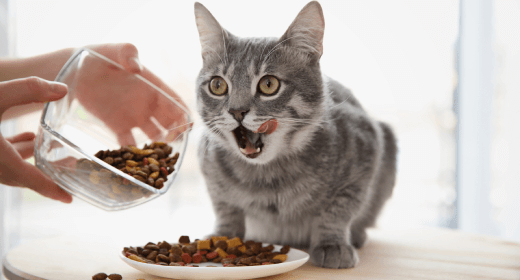
An old kitty or senior cat may need a small quantity of food with higher nutrients. Cat feeding tips help pet parents to provide the right nutrition and nourishment to their senior kitty. Here are a few essential tips that caregivers should consider when feeding their senior cats:
 

  1. Smaller meals:

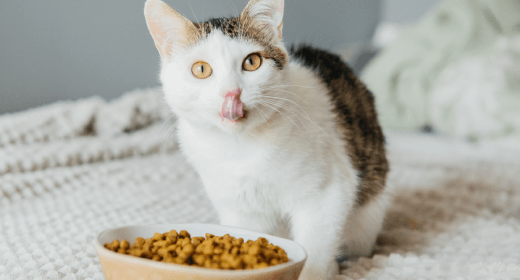
     As the cats grow older, their appetite decreases. However, they still need high amounts of protein and vitamins to meet their daily nutritional quota. Therefore, if your senior cat has digestive issues, feed it at least 10 to 12 times a day, whereas healthy older cats should be fed three to four times a day.
     
  2. Room temperature food: 

    Instead of serving food too hot or too cold, pet parents should serve it in normal room temperature. As older cats find it difficult to smell, room-temperature food helps them taste and smell the food better.
     
  3. High-quality:

     Feed only high-quality easy-to-digest food to adult and senior kitties. Good quality cat food contains vital nutrients such as protein, carbohydrates, vitamins, and moisture to suffice your senior kitty’s nourishment needs.

    Even though the food requirements of cats depend on the kitty’s age, you should also take their health condition, weight, appetite, and lifestyle into consideration. Pet parents are also recommended to consult a veterinary doctor to understand their kitty’s health requirements, nutritional deficiencies, and underlying diseases before selecting a diet plan or senior cat food brand.

Frequently asked questions

  1. How much food should I feed my senior cat?
  2. Average-weight senior cats need approximately 280 to 360 calories a day. Pet parents are often advised to feed their geriatric cats high-quality cat food depending on their weight, health condition, and nutritional deficiencies.

  3. How often should you feed a senior cat?
  4. Ideally, your senior cat should be fed a small portion of high-quality cat food at least three to four times a day. However, if your kitty has digestive issues, then you should feed it smaller portions 10 to 12 times a day.

  5. Is it important to feed geriatric cats senior cat food?
  6. Yes, you should feed senior cat food to your older kitty as this type of food is specifically formulated for meeting their nutritional requirements.

  7. What are the benefits of senior cat food?
  8. The benefits of senior cat food are as mentioned below:

    • Higher antioxidants for better immunity.
    • High fiber content for better digestive health.

    • Added vitamins for improved joint and bone health.

  9. At what age is a cat considered a senior cat?
  10. Cats older than 11 years are considered senior cats.

  • 5-Tips-to-Help-Your-Kitten-Live-a-Long-and-Healthy-Life banner
    5-Tips-to-Help-Your-Kitten-Live-a-Long-and-Healthy-Life mobile
    adp_description_block325
    5 Tips to Help Your Kitten Live a Long and Healthy Life

    • Share

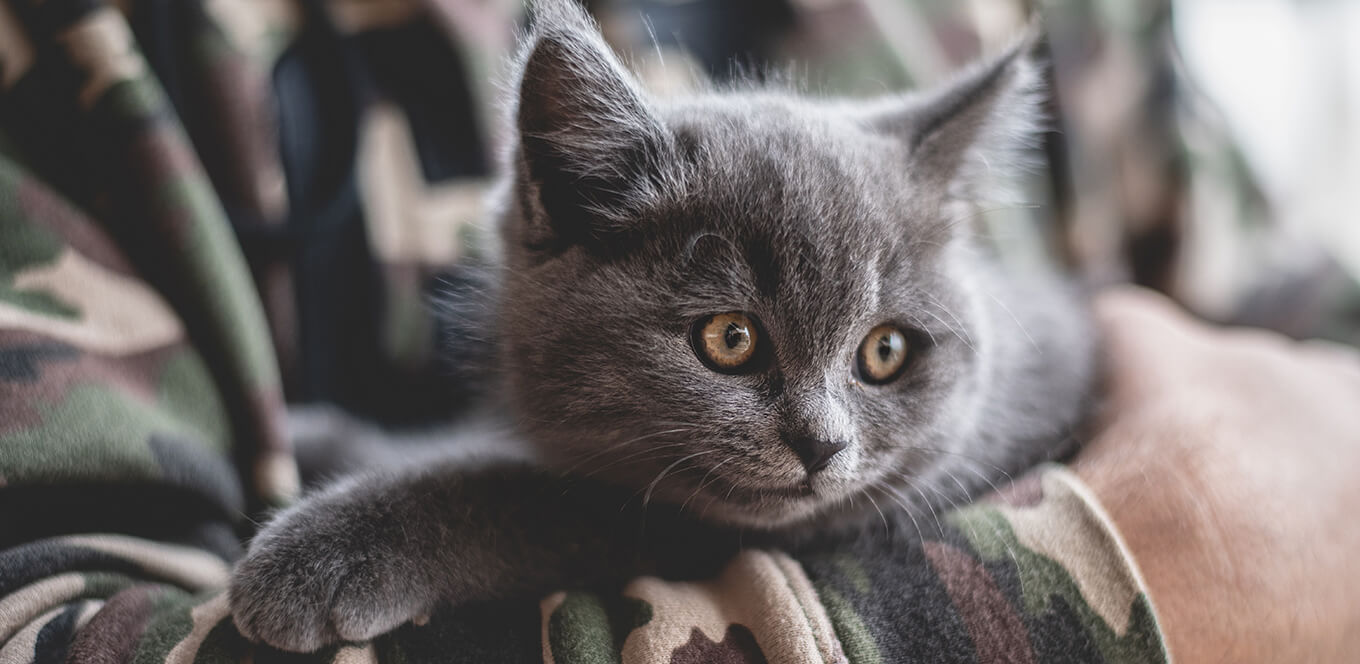
    How can you help your kitten live a long and healthy life? Although you can’t predict the health of your cat with certainty, you can increase the probability of both her general health and a long life through proper care that begins as soon as you bring her home. Your veterinarian can advise further on these five key considerations for taking care of your kitten.


    How to Care for Your Kitten


    1. Feed a High-quality Diet

    Feed your kitten high-quality food designed to meet nutritional needs during specific stages of her life. Your kitten’s nutritional requirements will depend on her life stage and lifestyle. No matter the life stage, cats are carnivores and require nutrients from animal protein and fat for optimal health.


    2. Encourage Exercise

    Prevent obesity with prudent portion control and frequent play activities. Exercise relieves stress, reduces aggression and keeps cats alert. Just 15 to 30 minutes of play a day can help keep your cat in shape and strengthen the bond between the two of you. In addition, getting your kitten used to playtime early on will help you get used to playing with your cat routinely.


    3. Provide Safe, Clean Living Conditions

    Keep your kitten inside to help reduce the risk of illness or injury from accidents, fights and disease. As your kitten gets older, you can help avoid the stress of harassment from other animals by keeping your kitten inside. You should make your home safe by protecting your cat from environmental dangers, such as household cleaners and secondhand smoke. Cats frequently groom themselves with their tongues, and over time, even small amounts of harmful chemicals can have adverse effects.


    4. Schedule Regular Medical and Dental Checkups

    Groom your kitten early and often to get her used to brushing. When brushing, check for bumps or abnormalities, and promptly seek veterinary advice if you discover anything suspicious. Take your cat to the veterinarian at least annually for a complete physical exam, and follow your veterinarian’s advice regarding preventive health care measures.

    Your veterinarian may also recommend periodic professional cleaning of your cat’s teeth, which may preserve years of her life.


    5. Give Them Lots of Affection

    Last but not least, give your cat lots of love! Despite some cats’ aloof demeanor, all cats thrive on affection. Both you and your cat will reap the benefits of spending quality time together.


    Cat Aging Chart

    It was once thought that one year in the life of a cat was equivalent to seven years of a human life. Below is a revised way of looking at how a cat year stacks up to a human year.

    Cat AgeHuman Age
    6 months10 years
    8 months13 years
    10 months14 years
    1 year15 years
    18 months20 years
    2 years24 years
    3 years28 years
    4 years32 years
    5 years36 years
    6 years40 years
    7 years44 years
    8 years48 years
    9 years52 years
    10 years56 years
    11 years60 years
    12 years64 years
    13 years68 years
    14 years72 years
    15 years76 years
    16 years80 years
    17 years84 years
    18 years88 years
    19 years92 years
    20 years96 years
    21 years100 years

    5 Tips to Help Your Kitten Live a Long and Healthy Life
    5 Tips to Help Your Kitten Live a Long and Healthy Life
Close modal