Enter a keyword below to search for articles and products.
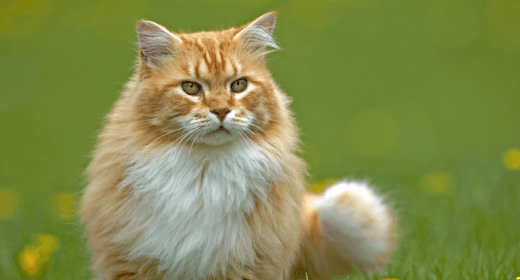
What is the first thing that comes to your mind when you hear the word ‘cat’? It's probably a cat covered in smooth and shiny fur, right? Not only does it look majestic, but every time we pet a cat, it also feels like we are running our fingers through silk. A shiny coat is no less than a divine blessing. However, this heaven-sent beauty can lose its shine if you stop taking care of it. While grooming plays a vital role in maintaining healthy cat fur, there are multiple other factors that influence its look and feel. If you are not aware of how to care for shiny cat fur, continue reading. This article covers everything around cat fur health.
If your cat’s fur looks dull, instead of directly jumping on to quick fixes, try understanding its cause. Here are a few common reasons why cat fur loses its shine:
Now that you know the causes of dull cat coats, you can work towards bringing its shine back. Here are a few ways to make cat fur shiny:
Use the right shampoo: Picking the right shampoo is imperative, especially because the wrong ones can strip off a cat’s natural skin oil and damage the fur.
Avoid excessive bathing: Frequent bathing can lead to dry and flaky skin. Hence, do not make your cat take a dip unnecessarily.
Follow a healthy diet: We all know that hair strands are 90% protein. Hence, providing protein-rich meals becomes vital for maintaining a shiny cat coat.
Skin is the largest organ. And with cats, this organ is generally fully covered with fur. They shed and regrow hair strands multiple times in their entire lifetime. However, a poor diet can slow down the regrowth process. Basically, lack of nutrition can eventually lead to bald spots. A diet that not only includes high-quality protein but also vitamins, minerals, good fats, and other nutrients will fast-track the hair growth process, maintain a shiny coat, and strengthen the immune system.
IAMS™ Proactive Health™ Indoor Weight & Hairball Care cat food is loaded with omega-3 and 6 fatty acids to give your cat a shiny and healthy coat. Other essential nutrients like proteins, vitamins, and minerals in this premium cat food support your feline friend’s overall health.
Cats can lose their coat’s shine due to multiple factors. Here are a few common reasons why your cat’s coat is not shiny:
Maintaining a healthy and shiny cat coat boils down to two things – hygiene and nutrition. As a cat parent, you must ensure that your feline friend doesn’t groom itself too frequently. However, you cannot neglect hygiene either. Based on its lifestyle and vet recommendation, make sure that your cat doesn’t over or under groom. Moreover, follow a nourishing diet that is packed with proteins, vitamins, minerals, and omega-3 fatty acids. Not only will it maintain your cat's shiny fur, but it will also boost healthy hair regrowth.
Although applying oil on your cat’s fur might not do any harm, it is best to consult your veterinarian regarding the same.
Cats’ fur can say a lot about their overall health. If your feline friend is nourished and healthy from within, it will be reflected through its skin and coat. So, make sure that your cat receives nutrients like proteins, vitamins, minerals, and omega-3 fatty acids in the right quantities to help maintain a cat's coat.
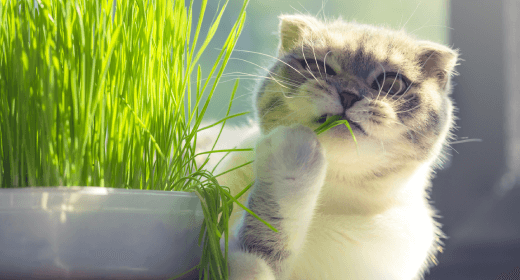
A cat’s diet largely includes other smaller animals as they are carnivorous. However, most cats avoid consuming the animal’s intestinal tract which contains most fibre. This can lead to a lack of fibre in the cat’s diet. But do cats need fibre? Yes. Lack of fibre can result in irregular bowel movement, digestive issues, and other similar health concerns.
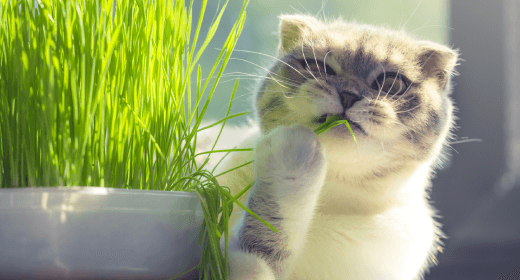
Cats often munch on green grass and leaves to ease constipation. However, they might resist including fibre in their daily meal and only rely on it when ill. But, to ensure your cat’s best physical well-being, you should choose fibre-rich food for cats.
Fibre-rich cat food is essential as it helps in maintaining their digestive health. Thus, pet parents should try to include the necessary amount of fibre in their kitty’s diet. It will help maintain their digestive health and overall well-being. Cat food fibre can be classified based on its solubility.
While choosing cat food with fibre, you should make sure it includes both soluble and insoluble fibre. Besides, the cat’s gut bacteria can break down both soluble and insoluble fibre to produce new compound that helps in nourishing their colon cells.
Fibre-rich cat food contains prebiotics, which means they also contain good bacteria that are necessary for a healthy intestine. So, as a cat parent, you should invest in high-quality cat food with fibre to keep your little fur baby’s gut health in check. However, how much fibre does a cat require??
Although fibre is essential for cats, they require it in limited quantities. Too much fibre can risk restricting absorption of nutrients in their body, whereas too little can lead to poor digestive health. The appropriate quantity of fibre for cats is between 1.4 to 3.5% of their daily calorie intake.
Planning to include cat food with fibre in your kitty’s daily diet? Consider adding the following food options to their meal to increase fibre content in your fur baby’s diet.
Besides relying on the above-mentioned plant-based and animal-based fibre, you can also buy IAMS high-fibre cat food to ensure that your kitty gets the right amount of fibre in its meal. IAMS high-fibre cat food such as IAMS ProActive Health Adult Original with Chicken contains a moderate quantity of fermentable fibre along with the chicken. This cat food with fibre is made using fermentable fibre and chicken that your cat is sure to relish. Besides, IAMS is a popular cat food brand that is known for using best-quality ingredients, so your furry friend gets nothing but the best.