IAMS MY
How to Keep Your Cat’s Urinary Tract in Tip-top Shape

adp_description_block194
UTI in Cats: Symptoms, Causes, Home Remedies & More

  • Share

What is UTI in cats?

UTI, also known as Urinary Tract Infections, are any infection in the urinary system. Such infections are not common in cats. In fact, not every cat with UTI symptoms has a urinary tract infection. According to NCBI, only one to two percent of cats suffer from urinary tract infections. However, UTIs resemble several other feline diseases; hence, it is imperative to visit a vet for further diagnosis.
 

Symptoms of UTI in cats

Since Urinary Tract Infections can cause severe pain and discomfort, every cat parent must learn about cat UTI symptoms. Here are a few major UTI symptoms in cats:

  • Frequent urination but in small amounts
  • Blood in the urine

  • Constant licking of the urinary opening

  • Crying out while passing urine

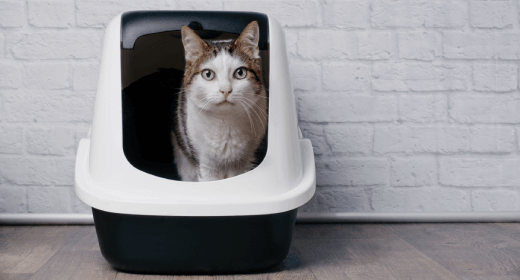
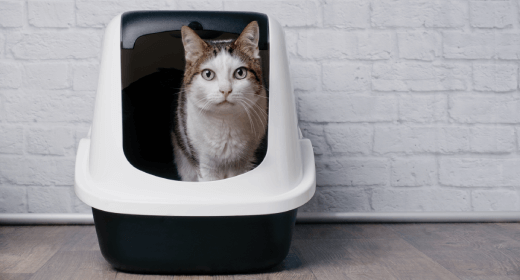
  • Urinating outside the litter box
     

How is cat UTI diagnosed?

In order to diagnose UTI in cats, veterinarians first test urine samples. This test helps them detect any bacteria in the urine. Doctors directly draw urine from the bladder with a needle to avoid contamination. Once the urine sample is tested, the vet will then isolate the bacteria to study it further. This step is called the Culture and Sensitivity test. It helps determine the right medicines based on the cat's infection.
 

First-time infections or acute infections are generally cured using broad-spectrum antibiotics. However, if your cat is suffering from a chronic infection, the vet might recommend additional tests to start bacteria-specific medication. 
 

Causes of UTI in cats

There are multiple factors that can lead to UTI in cats. Let's explore a few common causes of cat UTI:

  • Weak immune system due to medical conditions like diabetes, cancer, etc.
  • Replacement of the urinary catheter

  • Bladder stone

  • Issues with the cat's gastrointestinal tract
     

Cat UTI prevention

Although UTI is rare in cats, it's best to take the right measures to prevent it at all costs. Here are a few points on how to prevent UTI in cats:

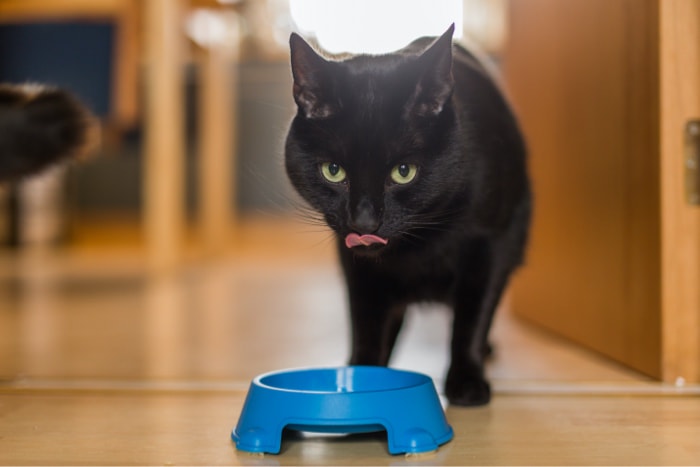
  • Ensure that your cat drinks enough water. Clean the water bowl regularly and fill it with fresh water every day.
  • Do not forget to clean the litter box frequently. Scoop the litter twice daily. Moreover, make sure to replace it with a new box once every two weeks.
  • Monitor any changes in the quantity or colour of the urine while cleaning the litter box. In case you see any changes, consult a vet.
  • Learn about diseases that are most likely to further cause UTI in cats. If your cat contracts any such disease, consult a vet immediately.
  • If your cat is old or overweight, it may have a hard time reaching the backsides of its body. Hence, assist your fur baby in cleaning itself.
     

Can you treat cat UTI with home remedies?

There are multiple cat UTI home remedies like cranberry juice, apple cider vinegar, bone broth, etc. And most of them are believed to alleviate the symptoms of UTI. However, we do not know if these remedies heal you completely. Hence, it is best to consult a veterinary doctor for cat UTIs.  Moreover, in some cases, especially if left untreated, UTIs can be recurrent. The vet will provide the right medication to get rid of the bacteria.


Frequently asked questions

  1. How to tell if a cat has UTI?
  2. A cat with UTI will exhibit following symptoms:

    • It might urinate frequently, but in small quantities
    • It might whine while urinating
    • It might lick its urinary area excessively due to irritation
    • It might have blood in its urine

    If you see any of the above symptoms, rush your cat to the doctor.

  3. Can cat UTI go away on its own?
  4. Certain Urinary Tract Infections can heal on their own. However, to understand whether it's a mild or chronic condition, you must visit your veterinarian. In case it is a chronic case, the doctor will prescribe antibiotics.

  5. Can lack of water cause UTI in cats?
  6. Water is essential for cats. Lack of water not only causes dehydration but also Urinary Tract Infections in cats. So, make sure that your fur baby drinks sufficient water throughout the day. 

  7. How do indoor cats get UTIs?
  8. Cats contract Urinary Tract Infections when harmful bacteria enter their bladder. Does that mean cats that live indoors won’t get UTIs? No. Cats make use of a litter box to excrete every day. If you do not clean this box regularly, it can turn into a breeding ground for countless deadly bacteria. Hence, as a cat parent, you must clean the litter box at least twice daily. The bacteria around your cat's faeces can enter its urethra every time your fur baby urinates. While this is one of the major causes of UTI in indoor cats, sudden changes in their routine, stress, and poor immunity can also lead to Urinary Tract Infections.

How to Keep Your Cat’s Urinary Tract in Tip-top Shape
  • Tips for Feeding Your Senior Cat
    Tips for Feeding Your Senior Cat
    adp_description_block345
    Comprehensive Guide to Feeding Senior Cats

    • Share

    Cats are known for their graceful demeanor and independent attitude. Their average lifespan is approximately 12 to 18 years. Cats over 3 years of age are deemed adults, and from the age of 11 years, they become senior cats.

    Like most animals, cats’ eating habits also change with age – kittens often need more food as they require more energy, and adult cats require a moderate amount of food to have sufficient energy. Senior cats often have a smaller appetite compared to their younger counterparts. Therefore, pet parents should keep track of their cat’s changing food requirements. Read the following if you too have queries related to feeding cats or how to feed older cats.
     

    Why pay special attention to senior cats’ diets?

    Your senior cat’s health and well-being are directly linked to their eating habits. Cat caregivers need to be more vigilant while feeding senior cats to ensure that their feline friend is provided with the right amount of nutrition and nourishment. 
     

    As a pet parent, you need to be mindful when feeding your cat. It has different nutritional requirements at various stages of its life. Kittens need to be fed with uttermost care to ensure appropriate growth and development, adult cats need well-monitored feeding portions to avoid overeating, and senior cats need a regularised diet to maintain their health. Hence, senior cat food contains high-quality protein and added vitamin E for more bone and joint strength.
     

    As cats grow older, their sense of taste and smell begin to fade. Senior cats also experience deteriorating teeth which affect their ability to chew. Hence, older cats’ caregivers need to take the following measures while feeding them:

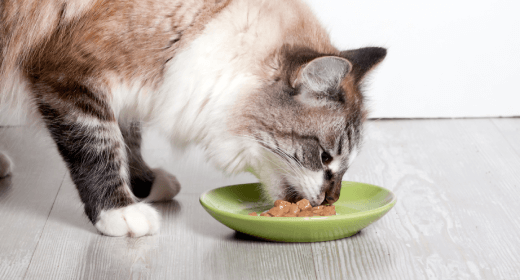
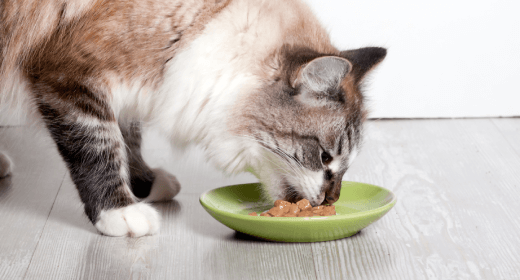
    • Feed small bite-sized pieces of food instead of larger chunks
    • Include softer food so that it is easier for your senior cats to properly chew the food

    • Add food with higher meat content to enhance the food’s smell and flavor

    Tips for feeding cats

    An old kitty or senior cat may need a small quantity of food with higher nutrients. Cat feeding tips help pet parents to provide the right nutrition and nourishment to their senior kitty. Here are a few essential tips that caregivers should consider when feeding their senior cats:
     

    1. Smaller meals:

       As the cats grow older, their appetite decreases. However, they still need high amounts of protein and vitamins to meet their daily nutritional quota. Therefore, if your senior cat has digestive issues, feed it at least 10 to 12 times a day, whereas healthy older cats should be fed three to four times a day.
       
    2. Room temperature food: 

      Instead of serving food too hot or too cold, pet parents should serve it in normal room temperature. As older cats find it difficult to smell, room-temperature food helps them taste and smell the food better.
       
    3. High-quality:

       Feed only high-quality easy-to-digest food to adult and senior kitties. Good quality cat food contains vital nutrients such as protein, carbohydrates, vitamins, and moisture to suffice your senior kitty’s nourishment needs.

      Even though the food requirements of cats depend on the kitty’s age, you should also take their health condition, weight, appetite, and lifestyle into consideration. Pet parents are also recommended to consult a veterinary doctor to understand their kitty’s health requirements, nutritional deficiencies, and underlying diseases before selecting a diet plan or senior cat food brand.

Close modal