IAMS MY
How to Keep Your Cat’s Urinary Tract in Tip-top Shape

adp_description_block72
UTI in Cats: Symptoms, Causes, Home Remedies & More

  • Share

What is UTI in cats?

UTI, also known as Urinary Tract Infections, are any infection in the urinary system. Such infections are not common in cats. In fact, not every cat with UTI symptoms has a urinary tract infection. According to NCBI, only one to two percent of cats suffer from urinary tract infections. However, UTIs resemble several other feline diseases; hence, it is imperative to visit a vet for further diagnosis.
 

Symptoms of UTI in cats

Since Urinary Tract Infections can cause severe pain and discomfort, every cat parent must learn about cat UTI symptoms. Here are a few major UTI symptoms in cats:

  • Frequent urination but in small amounts
  • Blood in the urine

  • Constant licking of the urinary opening

  • Crying out while passing urine

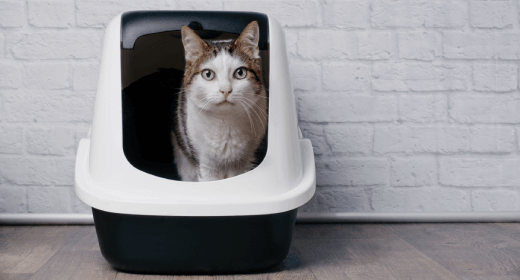
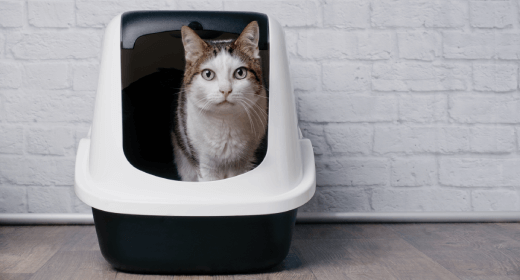
  • Urinating outside the litter box
     

How is cat UTI diagnosed?

In order to diagnose UTI in cats, veterinarians first test urine samples. This test helps them detect any bacteria in the urine. Doctors directly draw urine from the bladder with a needle to avoid contamination. Once the urine sample is tested, the vet will then isolate the bacteria to study it further. This step is called the Culture and Sensitivity test. It helps determine the right medicines based on the cat's infection.
 

First-time infections or acute infections are generally cured using broad-spectrum antibiotics. However, if your cat is suffering from a chronic infection, the vet might recommend additional tests to start bacteria-specific medication. 
 

Causes of UTI in cats

There are multiple factors that can lead to UTI in cats. Let's explore a few common causes of cat UTI:

  • Weak immune system due to medical conditions like diabetes, cancer, etc.
  • Replacement of the urinary catheter

  • Bladder stone

  • Issues with the cat's gastrointestinal tract
     

Cat UTI prevention

Although UTI is rare in cats, it's best to take the right measures to prevent it at all costs. Here are a few points on how to prevent UTI in cats:

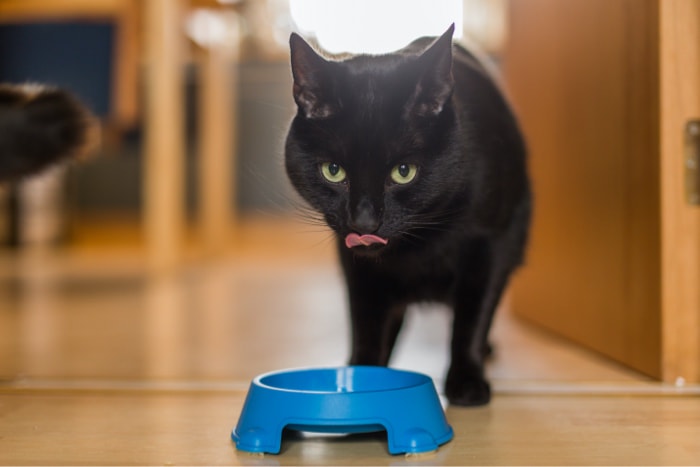
  • Ensure that your cat drinks enough water. Clean the water bowl regularly and fill it with fresh water every day.
  • Do not forget to clean the litter box frequently. Scoop the litter twice daily. Moreover, make sure to replace it with a new box once every two weeks.
  • Monitor any changes in the quantity or colour of the urine while cleaning the litter box. In case you see any changes, consult a vet.
  • Learn about diseases that are most likely to further cause UTI in cats. If your cat contracts any such disease, consult a vet immediately.
  • If your cat is old or overweight, it may have a hard time reaching the backsides of its body. Hence, assist your fur baby in cleaning itself.
     

Can you treat cat UTI with home remedies?

There are multiple cat UTI home remedies like cranberry juice, apple cider vinegar, bone broth, etc. And most of them are believed to alleviate the symptoms of UTI. However, we do not know if these remedies heal you completely. Hence, it is best to consult a veterinary doctor for cat UTIs.  Moreover, in some cases, especially if left untreated, UTIs can be recurrent. The vet will provide the right medication to get rid of the bacteria.

Frequently asked questions

  1. How to tell if a cat has UTI?
  2. A cat with UTI will exhibit following symptoms:

    • It might urinate frequently, but in small quantities
    • It might whine while urinating
    • It might lick its urinary area excessively due to irritation
    • It might have blood in its urine

    If you see any of the above symptoms, rush your cat to the doctor.

  3. Can cat UTI go away on its own?
  4. Certain Urinary Tract Infections can heal on their own. However, to understand whether it's a mild or chronic condition, you must visit your veterinarian. In case it is a chronic case, the doctor will prescribe antibiotics.

  5. Can lack of water cause UTI in cats?
  6. Water is essential for cats. Lack of water not only causes dehydration but also Urinary Tract Infections in cats. So, make sure that your fur baby drinks sufficient water throughout the day. 

  7. How do indoor cats get UTIs?
  8. Cats contract Urinary Tract Infections when harmful bacteria enter their bladder. Does that mean cats that live indoors won’t get UTIs? No. Cats make use of a litter box to excrete every day. If you do not clean this box regularly, it can turn into a breeding ground for countless deadly bacteria. Hence, as a cat parent, you must clean the litter box at least twice daily. The bacteria around your cat's faeces can enter its urethra every time your fur baby urinates. While this is one of the major causes of UTI in indoor cats, sudden changes in their routine, stress, and poor immunity can also lead to Urinary Tract Infections.

How to Keep Your Cat’s Urinary Tract in Tip-top Shape
  • How to Care for Your Cat’s Hairball Issues
    How to Care for Your Cat’s Hairball Issues
    adp_description_block205
    Cat Hairball Symptoms And Remedy

    • Share

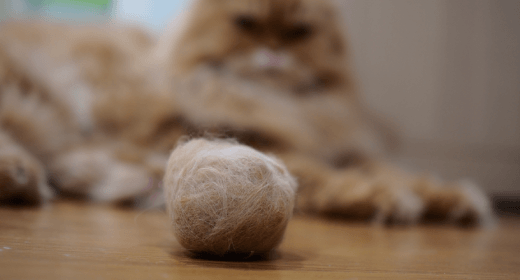
    You love your cat. But the sight of watching your cat gag and cough up a hairball is anything but pleasant. Moreover, cat hairball can also cause intestinal blockages, which can lead to serious health issues for your cat. 
     

    So, Is It Common For Cats To Cough-Up Hairballs?

    Cat furball is common, but its seriousness varies from cat to cat. Long-haired breeds, such as Maine Coons and Persians, are more susceptible to developing hairballs. Besides, hairballs are more common in cats who shed excessively or groom themselves obsessively because they swallow a lot of fur. 

    In fact, you may have noticed that your cat didn't have hairballs when it was younger but developed the habit as it grew older. Cats become better groomers and even better at getting rid of fur from their coats with their tongues, resulting in more hairballs for you to clean up. It is this grooming behavior that is linked with the intake of fur.
     

    How Can What A Cat Eats Help?

    Diet can be important in hairball relief for several reasons. The fiber combination of powdered cellulose and beet pulp in IAMS™ hairball formulas help move hair through the digestive tract. IAMS research has shown that cats fed IAMS ProActive Health™ Adult Hairball Care pass 80% more hair in their feces than cats fed a leading premium dry cat food. By helping ingested hair to be passed from the digestive tract, IAMS hairball formulas help reduce the opportunities for hairballs to form. This fiber blend also includes a moderately fermentable component to promote intestinal health. High-quality, animal-based protein and fat, found in IAMS hairball formulas, provide important nutrients for skin and coat health. Maintaining skin and coat health may reduce the risk of excessive shedding, ingestion of hair from grooming, and, consequently, hairball formation.
     

    Symptoms Of Hairballs In Cats

    Lack Of Appetite

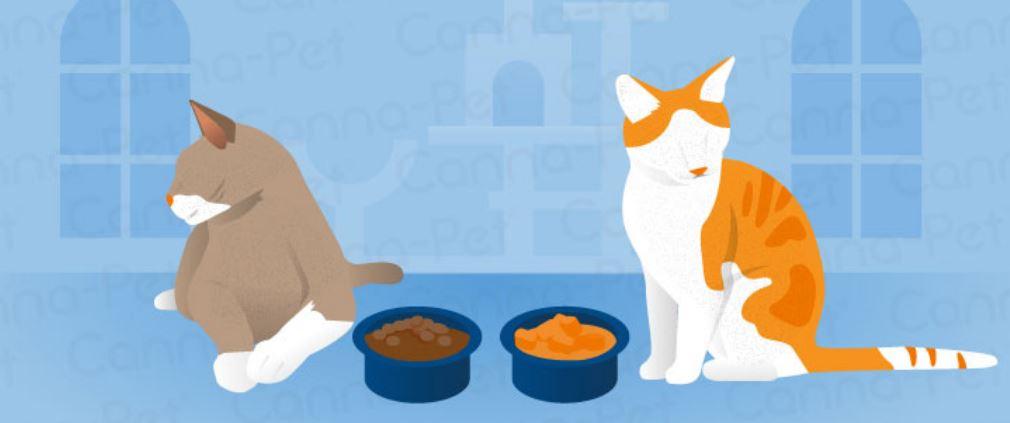
    It's important to treat your cat's lack of appetite, as even a short period of time without food can have a significant influence on your cat's health. A decrease in appetite could suggest that your cat's hairballs have caused an intestinal blockage. It can also be an indication of a range of other issues. But regardless of the underlying cause, it is a problem that must be addressed as soon as possible.
     

    Lack Of Appetite
     

    Lethargy

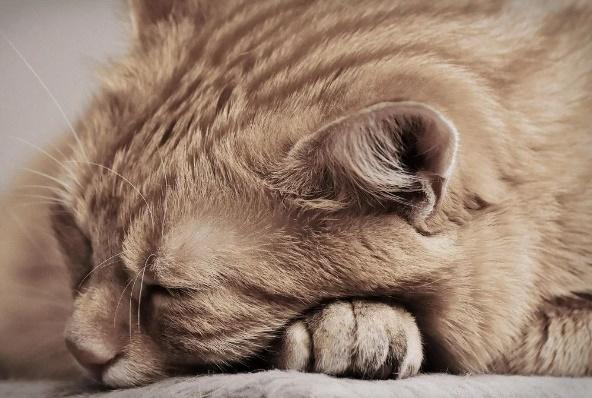
    Fatigue and lethargy are also common signs of a range of health problems in cats. They can, however, arise in conjunction with intestinal clogs. If your cat appears lethargic or weak, it may have a hairball blockage and require medical attention.
     

    Lethargy
     

    Constipation

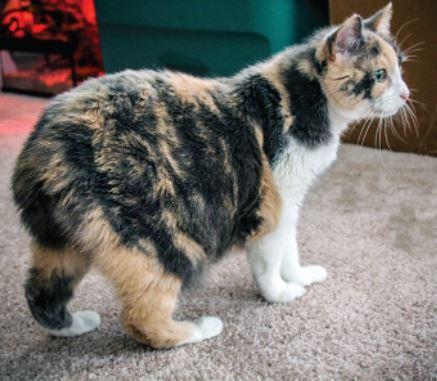
    Keep a watch on your cat's litter box if they are vomiting hairballs frequently. Hairballs and constipation are both signs of a hazardous blockage that should be treated by an emergency veterinarian. Constipation in cats can be fatal on its own. Therefore, this is an issue that needs to be addressed correctly to ensure your cat is healthy.
     

    Constipation
     

    Diarrhea 

    This could indicate that something is extremely wrong with your cat's digestive system, especially if it happens frequently. Cats with frequent diarrhea can quickly get dehydrated, so make sure they're getting enough water. Try boosting their liquid intake with wet food until you can get them to the vet.
     

    Treatment And Prevention Of Hairballs

    Grooming Regularly 

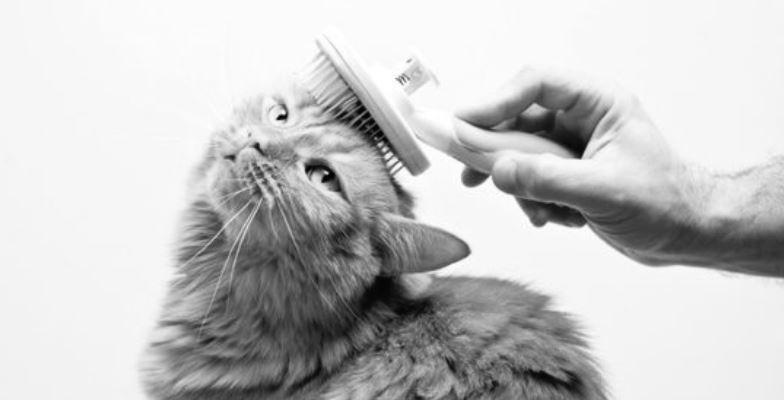
    If your cat is getting constant hairballs, then you should take your cat for regular grooming. The best way to overcome cat hairball issues is by brushing or combing their fur regularly. This way, less fur will wind up in their stomach as hairballs. It will also be a fun way for you to bond with your cat.
     

    Grooming Regularly 
     

    Specialized Hairball Food

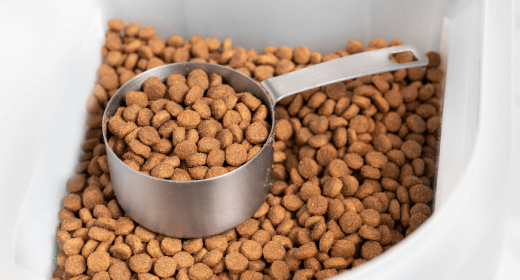
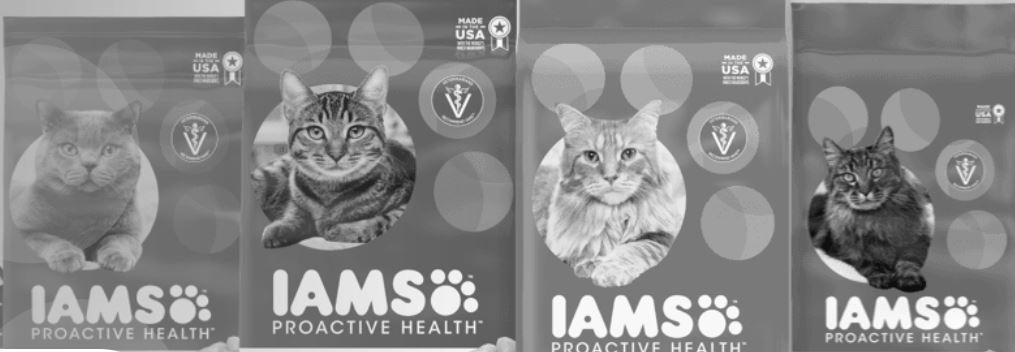
    Hairball formula or cat food is another remedy to prevent cat hairball. Hairball-reduction cat diets are now available from any pet food company. These high-fiber compositions are meant to promote the health of your cat's coat, reduce shedding, and help hairballs move through the digestive tract in cats.
     

    Specialized Hairball Food
     

    Using Hairball Product Or Laxative

    There are several cat hairball treatment products available on the market today. The best thing about them is that most of those laxatives are mild that aid in the easy passage of hairballs through the digestive tract.




Close modal