Enter a keyword below to search for articles and products.
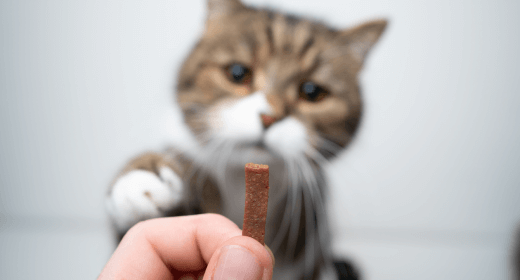
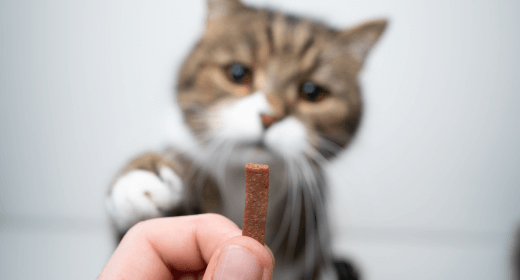
Most of us check ingredients and nutritional information on packaging when buying food for our pets. However, reading the nutritional data on a cat food label can get confusing. So, how do you know whether your pet is getting the right food for a healthy body? In this blog, we look at what you can expect to find on a cat food nutrition label and help you improve your understanding of this information.
Cat food labels provide limited information regarding the nutritional value of the package contents. It is important for customers to know what can and cannot be determined from the label, and what information is particularly important. Major components of a pet food label include:
Guaranteed Analysis
Company/Customer Service Information/Satisfaction
Ingredient Panel
Manufacturing Code, Expiration, or 'Best Used By' Information
Feeding Instructions
AAFCO Statement of Nutritional Adequacy
Values in the guaranteed analysis are expressed as either minimum or maximum. A maximum guarantee (% max) means at most this specific amount of the nutrient is included in the formula. A minimum guarantee (% min) means at least this specific amount of the nutrient is included in the formula. The following four nutrients must be included on all pet food labels:
For example, a cat food with a 25% minimum crude protein guarantee should contain at least 25% protein but could contain much more. The only way to determine the actual amount is by laboratory analysis.
Other information may be guaranteed on cat food products, such as magnesium (% max), taurine (% min), ash (% max), and linoleic acid (% min).
Animal-feed laws, particularly those pertaining to pet food, are dealt with by AAFCO. AAFCO is a coalition of governmental organisations in North America that aids in regulating animal food. Cat food with AAFCO label has an assurance that certain standards have been followed while manufacturing the food. Therefore, the food is said to meet the nutritional levels required by your pet. MARS pet food too complies with the standards of AAFCO and is nutritionally sound for your pet.
Ingredients must be listed in order of abundance (largest quantity listed first).
Because ingredient definitions and designations are standardized, it is difficult to determine the quality of ingredients. Ingredient quality can only be determined from laboratory analysis and animal feeding tests.
Here is the information that is required on a cat food label:
Distributor Name and Address: This gives you information about the manufacturer of the food, so that you can get in touch with them if you have any issues about the product.
Net Weight: This tells you how much food is contained in the package.
Ingredient List: The ingredients are listed in decreasing order, depending on the weight of the contents.
Product Traceability: Using the information on cat food label, you can identify when the food was prepared and even the precise factory that made the package.
Statement of Nutritional Adequacy: A ‘complete and balanced’ cat food should either meet or exceed the defined standards of nutrient profile. It explains which exact cat age and lifestyle the food is meant for.
Assurance of Analysis: This indicates the product’s nutritional content. It must contain the highest amounts of crude fiber and moisture and the minimum amounts of crude protein and crude fat. Although optional, percentages for other nutrients are frequently included. However, the key elements mentioned in the assured analysis of the cat food nutrition label must meet AAFCO’s nutrient profile guidelines.
Calorie Declaration: Calories are stated on a kilocalorie per kilogram basis and other commonly used units of measurement such as kilocalories per cup. You can compare several cat food products using this information.
Direction for Feeding: You can use these recommendations to figure out how much food to give your cat each day. Additionally, you might need to change the amount of food your pet consumes to assist them in maintaining an ideal body condition.
AAFCO nutritional adequacy statements are required on all pet foods. Products may either be formulated or tested according to AAFCO procedures and recommendations.
A 'tested' statement indicates the product has been formulated, then fed to cats prior to sale to ensure it meets important criteria related to growth, maintenance, and/or reproduction.
Veterinary-exclusive products include statements such as, 'This product is intended for intermittent feeding only' and 'Use only as directed by your veterinarian.'
Manufacturing codes allow the company to track products for quality and inventory issues. In order to quickly and efficiently handle a customer inquiry, the company's customer service department will usually ask the customer for this code.
Expiration or 'Best Used By' dates are optional but are helpful in determining product freshness and shelf life.
Here are a few tips to help you read a cat food nutrition label.
Know the intent or purpose: The food must state that it is for cats on the container. Cats have highly specific nutritional requirements that necessitate a certain type of diet.
Choose the right product for your cat: The information on the back of the cat food container is extremely important. You can determine whether the food will offer a complete and balanced diet for your cat’s life stage by reading the nutritional adequacy statement. The term 'life stage' describes a cat's particular stage of growth. The information can also state that the food is suitable for cats at all life stages, for breeding cats (growth and reproduction), and, possibly, for indoor or outdoor cats.
The manufacturer's information should include the company name, address, and phone number so customers can quickly and easily obtain product information.
A toll-free telephone number should be provided as a convenience to the customer and to ensure that a charge is not incurred when calling for information.
The satisfaction guarantee should be an 'active' statement. This means that in addition to stating that the product is guaranteed, the company should indicate what action will be taken to meet customer expectations (replace product, money returned, etc.).
According to AAFCO guidelines, cat food should have a minimum of 26% protein content on a dry matter basis. This portion is typically regarded as complete and nutritionally balanced.
The difference between +1 and +7 cat food is the high fiber content in +7 cat diets. Despite having the same proportions of protein, fat, and minerals as adult cat diets (+1), senior cat foods (+7) have fewer calories than food for cats aged 1+ years.
Details about the quality of food ingredients are not required on a cat feed tag.
Yes. The production of cat and dog food as well as other dog treats or snacks are all regulated by the FDA.


As a kitten parent, you want the best for your feline friend. One of the most important aspects of pet care is providing your kitty with a healthy environment that supports overall development. In fact, kitten enriched environment stimulates a happy and healthy life. It refers to providing cats with activities, toys, and other items that stimulate them mentally and physically. Enrichment can also help prevent behavioral problems such as scratching, biting, and destructive habits.
Environmental enrichment: Providing cats with different environments to explore and interact with can also be enriching. For example, you can create a cosy space for your kitten to relax or provide them with a scratching post and other items that they can use to mark their territory. You can also provide hiding spots like a box or a tunnel for your kitten to explore. This not only provides them with a sense of security but also gives them something new to explore.
Sensory enrichment: Cats have a keen sense of smell, sight, and touch. Provide your kitten with toys and items they can smell, see, or touch. For example, you can use toys with different textures or provide your kitten with a catnip plant to interact with. You can also offer different types of food for your kitten, so it can explore different flavours and textures.
Social enrichment: Cats are social animals and thrive when they have companionship. If you only have one kitten, you can ensure companionship using a stuffed animal or a mirror. This will provide your kitty with the social stimulation it needs. If you have more than one cat, you can provide them with a kitten-friendly environment where they can interact with each other. This can include providing them with a shared space and interactive toys.
In addition to the above types of enrichment, you can also provide your kitten with various kitten enrichment activities to keep them engaged and stimulated. Some examples include:
Puzzle feeders: These interactive feeders require your kitten to figure out how to get the food out. They provide mental stimulation as well as physical exercise.
Window seats: Cats love to watch the world go by because it helps them explore something new and stay entertained every day.
Providing your cats with a kitten enriched environment is essential. It not only keeps them healthy and happy, but it also prevents behavioural problems. With your kitten training environment and other feline enrichment ideas, you can ensure that your cat is always engaged and happy. As a cat parent, it is important to take the necessary time to understand your kitten's needs and provide them with an environment that will help them thrive.