Enter a keyword below to search for articles and products.
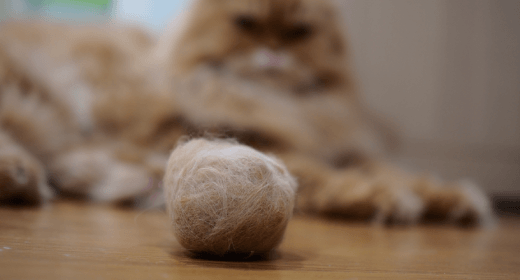
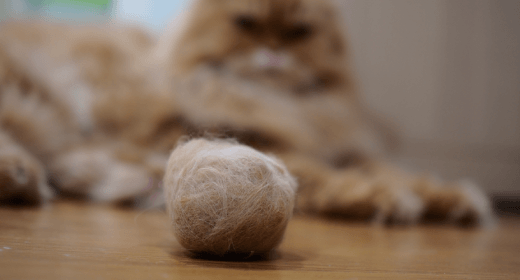
You love your cat. But the sight of watching your cat gag and cough up a hairball is anything but pleasant. Moreover, cat hairball can also cause intestinal blockages, which can lead to serious health issues for your cat.
Cat furball is common, but its seriousness varies from cat to cat. Long-haired breeds, such as Maine Coons and Persians, are more susceptible to developing hairballs. Besides, hairballs are more common in cats who shed excessively or groom themselves obsessively because they swallow a lot of fur.
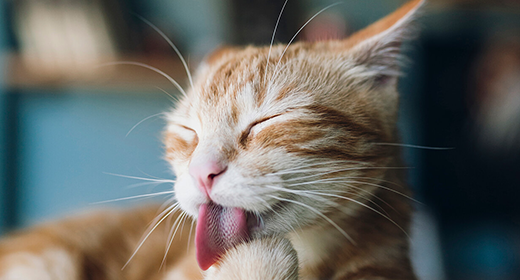
In fact, you may have noticed that your cat didn't have hairballs when it was younger but developed the habit as it grew older. Cats become better groomers and even better at getting rid of fur from their coats with their tongues, resulting in more hairballs for you to clean up. It is this grooming behavior that is linked with the intake of fur.
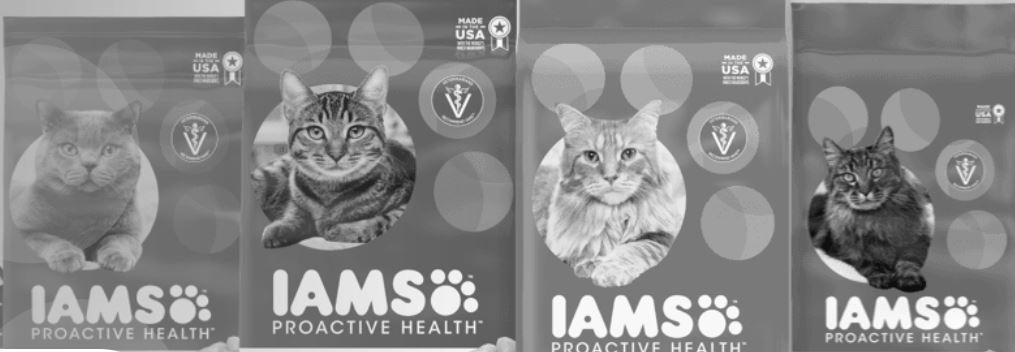
Diet can be important in hairball relief for several reasons. The fiber combination of powdered cellulose and beet pulp in IAMS™ hairball formulas help move hair through the digestive tract. IAMS research has shown that cats fed IAMS ProActive Health™ Adult Hairball Care pass 80% more hair in their feces than cats fed a leading premium dry cat food. By helping ingested hair to be passed from the digestive tract, IAMS hairball formulas help reduce the opportunities for hairballs to form. This fiber blend also includes a moderately fermentable component to promote intestinal health. High-quality, animal-based protein and fat, found in IAMS hairball formulas, provide important nutrients for skin and coat health. Maintaining skin and coat health may reduce the risk of excessive shedding, ingestion of hair from grooming, and, consequently, hairball formation.
It's important to treat your cat's lack of appetite, as even a short period of time without food can have a significant influence on your cat's health. A decrease in appetite could suggest that your cat's hairballs have caused an intestinal blockage. It can also be an indication of a range of other issues. But regardless of the underlying cause, it is a problem that must be addressed as soon as possible.
Fatigue and lethargy are also common signs of a range of health problems in cats. They can, however, arise in conjunction with intestinal clogs. If your cat appears lethargic or weak, it may have a hairball blockage and require medical attention.

Keep a watch on your cat's litter box if they are vomiting hairballs frequently. Hairballs and constipation are both signs of a hazardous blockage that should be treated by an emergency veterinarian. Constipation in cats can be fatal on its own. Therefore, this is an issue that needs to be addressed correctly to ensure your cat is healthy.
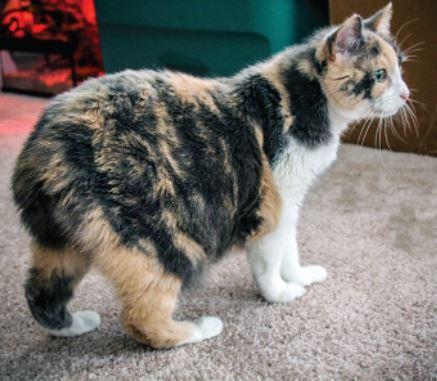
This could indicate that something is extremely wrong with your cat's digestive system, especially if it happens frequently. Cats with frequent diarrhea can quickly get dehydrated, so make sure they're getting enough water. Try boosting their liquid intake with wet food until you can get them to the vet.
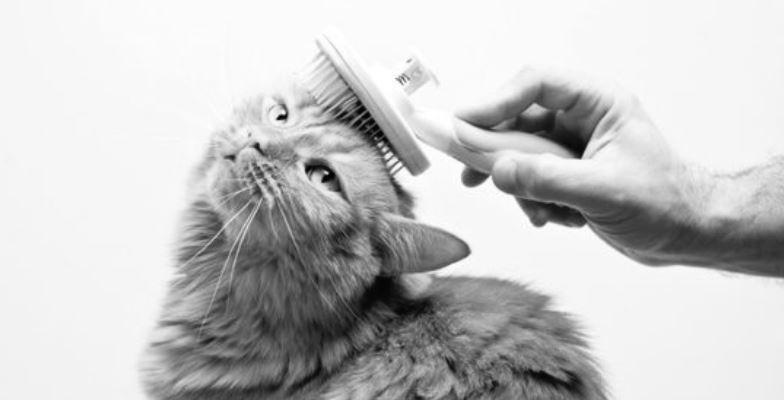
If your cat is getting constant hairballs, then you should take your cat for regular grooming. The best way to overcome cat hairball issues is by brushing or combing their fur regularly. This way, less fur will wind up in their stomach as hairballs. It will also be a fun way for you to bond with your cat.
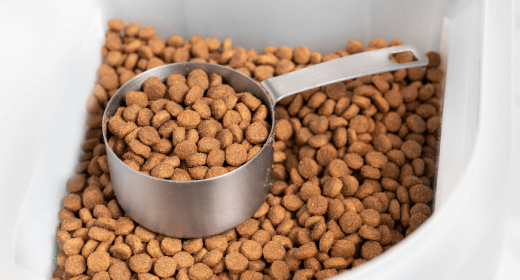
Hairball formula or cat food is another remedy to prevent cat hairball. Hairball-reduction cat diets are now available from any pet food company. These high-fiber compositions are meant to promote the health of your cat's coat, reduce shedding, and help hairballs move through the digestive tract in cats.
There are several cat hairball treatment products available on the market today. The best thing about them is that most of those laxatives are mild that aid in the easy passage of hairballs through the digestive tract.
It is natural for a cat to throw up occasional hairballs. But you should only start to be concerned if your cat is coughing out a hairball every few weeks or for more than 48 hours at a stretch. This is a symptom of too much hair ending up in the gut.
No matter how long their coat is, cats should only produce one hairball every week. Schedule an appointment with the veterinarian if your cat is vomiting hairballs more regularly or not eating.
You should feed your cat lots of prebiotics and natural fibers in its food to help it pass hairballs and maintain a healthy digestive tract. As a result, ensure that your cat is on a hairball-control diet and is getting enough fiber.
Generally, the fur travels through the gastrointestinal tract undisturbed and emerges in a stool. The digestion process takes 7 to 12 hours. Sometimes the fur can also accumulate in the stomach and create a hairball. This takes a little longer, but healthy hairballs should be gone in 24 to 48 hours.
Cat hairballs can be dangerous as they can cause severe blockages in their intestines and pose health issues later. In extreme cases, choking can also lead to death.
Overweight cats have special nutritional needs in order to promote weight loss or weight management. Likewise, senior cats have special nutritional needs that are better met through a diet designed specifically for them. If an overweight or senior cat has problems with hairballs, feeding an IAMS hairball formula for indoor or senior (age 7+) cats is a great choice.
Yes. Mixing other foods with IAMS hairball formulas may compromise the effectiveness of this diet by diluting the nutrients that help reduce the risk of hairball formation. Switching between IAMS hairball formulas and another cat food may also decrease the benefit of feeding this diet.
Ensuring proper nutrition is crucial for the health and well-being of your feline companions. On average, cats require a balanced diet that includes proteins, fats, carbohydrates, vitamins, and minerals. The quantity of food depends on various factors such as age, weight, activity level, and health status.
Creating a cat feeding guide involves determining the right portion size and choosing high-quality cat food. Be cautious not to overfeed, as obesity can lead to health issues. Consult your veterinarian to establish an appropriate cat feeding routine and to address any specific dietary needs your cat may have.
How can you make sure you are cat feeding the right food at the right time and in the right quantities? If you are choosing new cat food, deciding on a feeding schedule, concerned about a food-related health condition, or wondering about supplements or treats, check out our cat feeding guidelines.
Cats are carnivores, and this means that they cannot survive solely on a plant-based diet as they won’t get all the required nutrients from it. To stay healthy and survive, cats require at least 70% of the nutrients found in animal meat. So, your cat’s diet and choice of food should be prepared accordingly. To start, you can begin by making a cat feeding plan to ensure that they get the nutrition they require.
You can divide your cat’s daily diet into two main meals which are spaced no more than 12 hours apart. Alternatively, you can divide the food into multiple meals such as breakfast, lunch, and dinner. However, do ensure that these meals provide the cat with enough calories and other nutrients - not more or less than recommended.
Once your cats are set on a regular feeding schedule, you will slowly begin noticing their usual cat feeding habits. Habits such as playing with their food, eating alone, and hoarding food are quite normal for cats. So, if you notice any of these, you don’t have to be worried. A few habits that you may have to be mindful of are:
Not eating all the served food (served as per regular amount)
Sudden gain in weight
Cat going more than 24 hours without eating
If you notice your cat showing either of these habits, book an appointment with your vet as soon as possible.
Determining the appropriate amount of food for your cat involves considering various factors to meet their unique nutritional requirements.
A cat's diet evolves throughout its life stages. Kittens, in their early months, undergo rapid growth and development, necessitating a diet rich in calories, proteins, and essential nutrients. Senior cats, however, may experience changes in metabolism and activity levels. Therefore, a diet tailored to maintain their weight and support ageing joints becomes essential. Adjusting portion sizes according to these distinct life stages is crucial for promoting optimal health and longevity throughout a cat's life.
The size of a cat is a fundamental determinant of its calorie requirements. Larger cats, with more extensive body mass, generally need more food to sustain their energy levels, fuelling their larger bodies. Conversely, smaller cat breeds may require more controlled portion sizes to prevent overfeeding and mitigate the risk of associated health issues, such as obesity. Tailoring your cat’s diet to its size ensures that their unique metabolic needs are adequately met, promoting a balanced and healthy lifestyle.
More active cats, such as those who engage in regular play, exercise, or outdoor activities, burn more energy and may require additional calories to support their dynamic lifestyle. On the other hand, sedentary indoor cats may need a carefully measured diet to prevent weight gain and associated health concerns, emphasising the importance of adjusting food intake based on the cat's activity level. Ensuring the cat receives the appropriate number of calories supports overall health and prevents issues related to weight management.
The living environment — whether a cat resides indoors or outdoors — directly impacts its energy expenditures. Outdoor cats often engage in more physical activities, such as exploring and hunting, requiring a higher calorie intake to fuel their adventures. Indoor cats, with a more sedentary lifestyle, may need portion control to avoid excess weight gain and the potential health issues associated with obesity. Recognizing the environmental differences between indoor and outdoor living helps tailor the cat's diet to their specific needs, promoting a balance that aligns with their lifestyle.
Body condition concerns the animal’s overall health and body weight. For a cat who is overweight, you need to prepare a diet that is low on calories. With regards to the overall health condition, if your cat is facing any kind of ailments, their food intake may change or need to be changed. Your vet will advise you on what foods your pet may need to consume or avoid. They may also suggest changes in the cat’s feeding guidelines per the animal’s unique health requirements.
Cats with specific health conditions may require special dietary considerations. For instance, cats with diabetes may need a carefully regulated diet to manage blood sugar levels, while those with kidney disease might benefit from a diet that supports renal function. Cats with allergies may require hypoallergenic diets to prevent adverse reactions. Consulting with a veterinarian ensures that a cat's nutritional needs are met while effectively managing any existing health conditions. Regular communication with a vet helps adapt the cat's diet to evolving health requirements, promoting overall well-being, and addressing specific health concerns with precision.
It is important to consider your cat’s age when deciding how many times a day to feed it. Below is a comprehensive cat feeding guide by age to ensure that your feline friend receives the appropriate nutrition at every stage of life.
Age | Schedule |
1 week | Every 2 hours |
1 to 2 weeks | Every 2 to 3 hours |
2 to 3 weeks | Every 3 to 4 hours |
3 to 4 weeks | Every 4 to 5 hours |
4 to 5 weeks | Every 5 to 6 hours |
5 to 8 weeks | Every 6 hours |
8 to 16 weeks | Every 6 to 8 hours |
4 to 5 months | Every 8 hours |
6 months to adulthood | Every 8 to 12 hours |
The amount to feed your cat depends on your pet’s age, size, and activity level. It is important to make a proper cat feeding guide or follow feeding guidelines, which list the daily-recommended portion, are included on all IAMS™ packages. Start feeding with this amount and adjust according to your pet’s needs. Remember to divide the portion accordingly if you feed more than once a day.
When changing your cat’s diet, it’s important to introduce the new food slowly. Start by offering your cat’s daily portion in a ratio of 25% new food to 75% old food. During the next three days, gradually increase the amount of new food and decrease the amount of old.
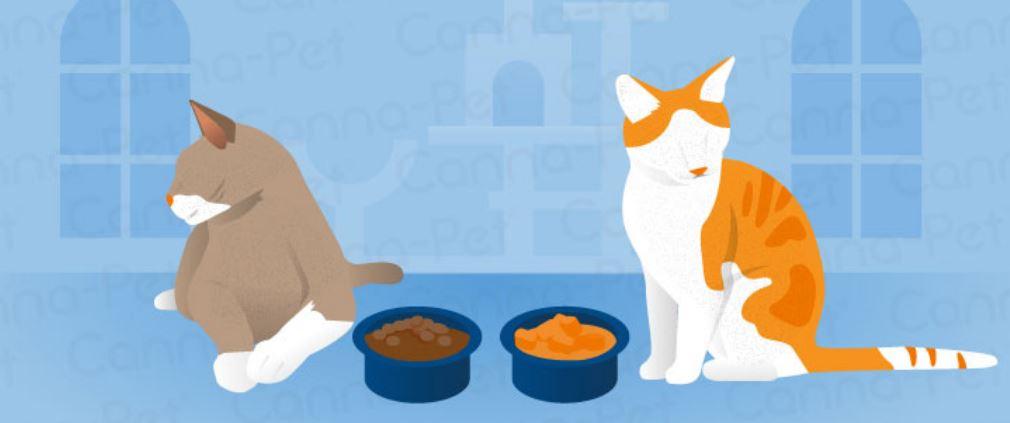
Once you have understood your own cats’ feeding guide based on age and other factors, it is important to figure out what kind of food to pick — wet or dry. Both these types of foods have their unique benefits, and each one can prove necessary for different stages of a cat’s life to fulfil nutritional requirements. Since each of these types of food finds its place in a cat’s feeding guidelines, let’s take a closer look.
Making the right choice between wet and dry cat food involves considering various factors. Let us delve deeper into the benefits of each to help you make an informed decision tailored to your feline companion's needs.
The crunchiness of dry kibble can contribute to better dental health. Chewing on the hard texture helps reduce plaque and tartar buildup, promoting healthy teeth and gums.
Dry cat food is generally more budget-friendly than wet food. It offers an affordable solution for cat parents.
Dry food tends to have a higher caloric density, meaning that smaller portions can provide the necessary energy for your cat. This can be beneficial for weight management.
Wet cat food contains a significant amount of water, addressing the hydration needs of cats. This is particularly beneficial for cats who may not drink enough water on their own.
The soft texture and varied flavours of wet food make it highly palatable. This can be advantageous for picky eaters, enticing them to consume essential nutrients.
Wet cat food often offers a variety of proteins and nutrients. This diversity supports a well-rounded and balanced diet, contributing to your cat's overall health.
Wet food can be easier to administer for cats with specific health issues or those requiring special diets. It allows for the incorporation of medication or supplements, making it a practical choice for certain medical conditions.
The ideal choice depends on your cat's individual preferences, health requirements, and lifestyle. Some cat parents opt for a combination of both wet and dry food to provide a balanced and satisfying diet for their furry companions. Always consult with your veterinarian to tailor the diet to your cat's unique needs.
Although our wet cat foods are nutritionally complete and balanced for a cat’s diet, it is not necessary to offer wet food at every feeding. Our dry foods are formulated with high-quality protein sources such as chicken, lamb or fish and contain all the essential nutrients pets need.
You can also consult your vet regarding your cat’s feeding guidelines, and they will make changes if necessary. Also, it is best to consult your vet before making any major changes in your cat’s meals, like adding or switching to a raw food diet for cats. Your vet may conduct a nutritional evaluation of your cat to determine if you can switch to a raw diet for cats or specify which food they require for a healthy living.
No. Boredom with food is a human trait. Cats are creatures of habit and usually are content with just one food. Cats generally eat to meet their energy or nutritional needs. They have very short digestive systems, and if their diet is abruptly or constantly changed, digestive disturbances can occur. Also, constant changes can make your pet a finicky eater.
Adding water will not change the nutritional value of dry cat food. However, once moisture is added the food should be eaten relatively soon, and any uneaten portion should be discarded to avoid spoilage. Feeding your cat dry food is usually encouraged because of the benefit to your cat’s dental health.
Cats and dogs have different nutritional requirements and should not eat each other’s food. For example, cats require a much higher level of taurine in their diet. An occasional venture into each other’s bowls will not be harmful but is not recommended on a regular basis.
Our foods are nutritionally complete and balanced. Adding vitamins, minerals or oils can offset the balance the food provides. One of the benefits of feeding a high-quality product is that it has been carefully balanced in proper ratios to provide optimal nutrition, so nothing needs to be added.
Contact the IAMS Pet Care and Nutrition Specialists toll-free at 1-800-675-3849.