IAMS MY
Healthy Cat Skin and Coat

adp_description_block498
Healthy Cat Skin and Coat

  • Share

The appearance of your cat’s skin, coat, and fur are indicators of its health. A healthy coat is smooth and shiny, not coarse or brittle. Healthy cat skin is soft, supple, and clear, not greasy, flaky, or bumpy. While your cat’s diet and nutrition fuel the shine on the outside, basic grooming will surely add an extra touch of beauty. 


There is so much you can do as a pet parent to make sure that your feline’s skin and hair stay healthy. From feeding it the right foods to investing in appropriate products for your cat’s well-being, treating skin problems in cats is not that confusing. Keep reading to learn more about cat skin conditions and how you can keep your cat’s coat and skin healthy. 


Types of healthy cat skin 

Since there are various cat breeds, several coat characteristics are considered to be healthy, such as: 

  • Hairless coat (Sphynx cat) 

  • Curly hair with minimal shedding (Rex cats) 

  • Smooth coats with sparse undercoats (oriental breeds)

  • House or domestic cats with a regular outer coat of short hair and a soft layer of undercoat to provide additional insulation 

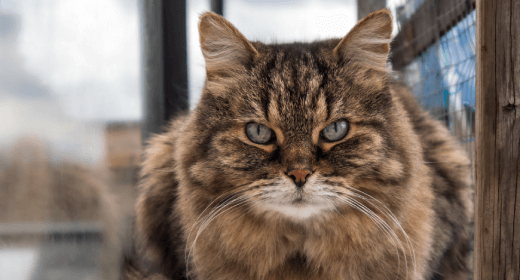
  • Longhaired cats with silky smooth hair that knots easily

Essential nutrients that can help maintain healthy cat skin

As the largest organ of the body, your feline’s skin health should always take priority. For most cats, their skin is mostly covered with hair that sheds and grows back throughout their lifetime. The best way to maintain your feline’s skin and hair health is by feeding a balanced diet that includes high-quality digestible proteins, fats, carbohydrates, vitamins, and minerals. This will help your cat consume enough calories to maintain its energy needs. In fact, this will also cause the liver and kidneys to work more efficiently to eliminate all waste products. 


While there are many nutrients that you can include in your kitty’s diet, some stand out as essentials for your kitten’s skin and hair health. Omega-3 and omega-6 fatty acids are two nutrients that you should include in your cat’s diet without fail. Omega-3 fatty acids such as alpha-linolenic acid (ALA) and eicosapentaenoic acid (EPA) help maintain skin and coat health and help sustain the skin’s water permeability barrier. Omega-6 fatty acids such as linoleic acid and arachidonic acid ensure that the epithelial tissues stay healthy in your cat’s body. 


You can decide your cat’s meal plans with your vet who can suggest the right foods according to your cat’s age. If you have not consulted a vet and notice that your cat’s coat has become dull, dry, and sheds excessively, make sure that you visit a professional and make appointments for regular checkups. 


Important minerals and vitamins for cat skin and fur health 

Vitamins should be an integral part of your cat’s diet and must be fed in the right proportions. Many important vitamins are found in the raw materials of your cat’s food and are synthesised from there, making a balanced and nutritious diet key to your feline’s good health. Here are a few vitamins that a cat must receive from its diet: 

  • Vitamin A: A fat-soluble vitamin that is eminent for a strong immune system and healthy vision. However, large amounts of Vitamin A can be toxic for your cat. Make sure you consult a vet to know the right amount of dosage for this particular vitamin. 

  • Vitamin C: Vitamin C is an antioxidant that helps heal wounds and helps cats use protein effectively. 

  • Vitamin D: Vitamin D helps retain phosphorus and calcium in your cat’s body. It is also known as the “sunshine vitamin” as it helps the bones, muscles, and nerves function well. 

  • Vitamin B1 (Thiamine): A water-soluble vitamin that is important for healthy metabolism, and maintenance of normal growth and nerve impulse transmission.  

  • Vitamin B2 (Riboflavin): Vitamin B2 helps your cat’s body break down carbohydrates, fats, and proteins, to produce energy, and to let the body use oxygen. This vitamin also helps maintain your cat’s skin and coat health. 

  • Vitamin B3 (Niacin): A water-soluble vitamin that is eliminated through your cat’s urine, this vitamin should be restored regularly in your feline’s body. It helps keep your kitty’s gastrointestinal functions, nervous system, and skin healthy. 

  • Vitamin B6: This vitamin helps your cat’s body break down fats, proteins, and carbohydrates to produce energy and supply oxygen throughout the body. 

Like vitamins, minerals are also essential for your cat’s body. They promote enzyme formation, oxygen supply, nutrient utilization, and pH balance. Here are some minerals that should be included in your cat’s diet: 

  1. Calcium 

  2. Iron

  3. Sodium 

  4. Magnesium 

  5. Chloride 

Consult a vet to know the right amount of vitamins and minerals your cat should be consuming to stay healthy. 


Common cat skin conditions and how to treat them

Common cat skin conditions such as excessive scratching and licking, redness and swelling of the skin, loss of fur, scabby and flaky skin, and more are inevitable. What you can do is follow these steps to ensure that these skin problems in cats are kept at bay: 

  1. Feed your feline the best cat food 

Ensure that you are feeding your cat the best diet food available. A balanced and nutritious diet will help it derive the most important vitamins and minerals to synthesise carbohydrates, fats, and protein. It will also help in maintaining your cat’s overall skin and coat health.

  1. Practice good grooming habits

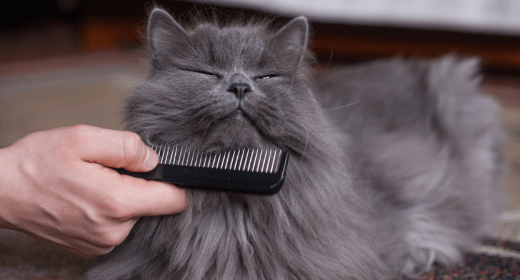
Good grooming habits can really help your cat’s skin and coat health. While regularly brushing and combing your cat’s hair is a great way to bond, doing so will also prevent mats from developing. Mats can cause great discomfort for cats and can also cause hair loss and skin infections. Use a good grooming tool to ensure that your feline’s hair is combed with ease and there is no irritation or discomfort. 

  1. Bathe your cat to keep skin conditions at bay

Shampooing your cat’s fur is not exactly common. Cats have a habit of self-grooming and they are not the most cooperative when it comes to baths. However, if your cat is itchy or just too dirty, it is best to use a shampoo that is formulated especially for cats. Ensure that you do not use any cat shampoo with tea tree oil since it is toxic to your feline’s skin and coat. If you do not know which shampoo to use, consult your vet to find out the ideal medicated shampoo for your cat. 

  1. Protect your cat from flea diseases 

Flea diseases are the most common skin problems in cats and should be treated immediately. Flea diseases can cause your cat to scratch and lick continuously, which can lead to wounds or partial baldness.

  1. Address stress 

If you have a cat that is suffering from severe anxiety and stress, there will be signs. Excessive licking and grooming are signs that your cat is conscious and is acting out. This can cause a great amount of hair loss. Apart from appearance, stress and anxiety in cats can also induce serious health issues such as idiopathic feline lower urinary tract disease. If you notice your cat licking itself all the time, take it to a professional for a regular checkup. 


Cat skin conditions are usually a sign of some imbalance in the body. If you have noticed that your furry pet has been having some skin troubles that are not getting resolved even after continued efforts, take it to a vet and rule out any serious conditions. 

Frequently Asked Questions

  1. What food is good for cat skin?
  2. Feed your cat a balanced and nutritious diet and witness the results on its skin. Your cat’s appearance on the outside is a reflection of what’s going on inside. Make sure you include the right supplements (vitamins and minerals) in your cat’s diet. 

  3. What vitamin is good for cat skin?
  4. Many vitamins such as vitamins A, B1, B2, B3, B6, C, and D are good for your cat’s skin. 

  5. How can I improve my cat's fur?
  6. You can improve your cat’s fur by feeding it good cat food, practicing good grooming habits, and keeping it free of any fleas. 

  7. How do you treat a cat with bad skin?
  8. You can consult your doctor if your cat has bad skin to diagnose the reason. Begin with basic steps such as feeding your kitty well, keeping it hydrated, and using the right grooming products and tools.
  • Why Fiber Is Important For Your Cat’s Nutrition?
    Why Fiber Is Important For Your Cat’s Nutrition?
    adp_description_block8
    Fiber For Cats And It's Benefits

    • Share

    fibre is a vital component in a cat's diet, categorised as soluble and insoluble. Soluble fibre, dissolving in water, regulates blood sugar and lowers cholesterol, while insoluble fibre adds bulk, aiding in digestive movement. Crucially, fibre remains undigested, with some types fermenting to produce short-chain fatty acids (SCFA). These SCFAs serve as a key energy source for the cells lining the intestinal tract, fostering a healthy gut environment. fibre for cats also promotes weight management by inducing a sense of fullness, preventing overeating.


    Balancing fibre in cat food is crucial, as excess may lead to nutrient malabsorption. Monitoring fibre types and amounts is vital for optimal feline health, ensuring digestive regularity. Striking this balance supports longevity and vitality in cats, making fibre an indispensable element in their overall well-being.


    What is good for you may not be good for your cat


    Today, people are more aware of fibre and its role in their diet. Studies showing the beneficial effects of higher fibre levels in humans influence the way many people think about their own food and that of their pets. Some manufacturers now apply the recommendations of human nutritionists and make high-fibre diets for cats, but cats have a much shorter digestive tract than we do. And unlike humans, cats are carnivorous, so their nutritional needs are better satisfied with meat rather than plant matter. Therefore, cats have different dietary needs than humans. For more than 60 years, companion animal nutritionists at IAMS™ have been studying diets to meet the special nutritional needs of cats.


    What is the microbiome in cats?


    The feline microbiome constitutes a diverse community of microorganisms, residing predominantly in the gastrointestinal tract. This intricate system of bacteria, viruses, and fungi significantly impacts a cat's health. It plays a crucial role in digestion, influencing nutrient absorption, supporting immune function, and even affecting behavioural patterns. The delicate balance within the microbiome is essential for the overall well-being of the cat, making it a key focus in understanding and optimising feline health.


    Gut microbiome reaction with fibrous food


    When it comes to feline nutrition and gut health, the impact of fibrous foods on a cat's microbiome is driven by processes essential for maintaining gastrointestinal balance. Listed below are some interactions and their impact on your cat:


    Dynamic response: 

    When cats consume fibrous foods, their gut microbiome undergoes a dynamic response, adapting to the influx of indigestible fibres.


    Prebiotic bacteria: 

    Certain fibres for cats function as prebiotics, fostering the growth and activity of beneficial bacteria, such as Bifidobacteria and Lactobacillus, which are essential for gut health.


    Production of short-chain fatty acids: 

    fibre fermentation by gut bacteria results in the production of short-chain fatty acids (SCFAs), including acetate, propionate, and butyrate.


    Nourishing intestinal cells: 

    SCFAs play a pivotal role in nourishing the cells lining the intestinal tract, contributing to mucosal integrity, nutrient absorption, and overall gut function.


    PH regulation: 

    fibre-induced fermentation also produces gases and by-products, influencing the pH of the gut environment, creating an environment that discourages harmful pathogens.


    fibre levels and fermentability


    IAMS Company research shows the optimal crude fibre level for healthy cat’s ranges from 1.4% to 3.5%. At these levels, nutrient breakdown is maximised. In unique situations, such as hairballs, higher fibre levels may be beneficial.


    An important characteristic of fibre is its fermentability, or how well it can be broken down by bacteria in the intestine. This breakdown produces short-chain fatty acids, which provide energy to the intestines. fibre varies in fermentability. fibre sources used in pet foods include cellulose, which is poorly fermentable; beet pulp, which is moderately fermentable; and gums and pectin, which can be highly fermentable. Research has shown that moderate levels of moderately fermentable fibre, such as beet pulp, provide the benefits of energy for the intestinal lining and bulk, without the negative effects of excessive stool or gas and, therefore, are beneficial in cat diets.


    Advantages of high fibrous food in cats


    Incorporating high-fibre cat food into your feline’s diet offers various health benefits, contributing to their overall well-being. Here is a breakdown of the advantages and how they positively impact feline health:


    Digestive regularity: 

    High-fibre cat food promotes optimal digestive regularity in cats by adding bulk to the stool. This helps prevent issues such as constipation and ensures smoother bowel movements, contributing to overall gastrointestinal health.


    Weight management: 

    The inclusion of fibre in cat food provides a feeling of fullness without adding excessive calories. This can be beneficial for weight management, as it reduces the likelihood of overeating and helps control calorie intake, supporting healthy body weight.


    Hairball control: 

    Increased fibre intake aids in controlling and reducing hairballs in cats. The fibrous content helps bind hair together, facilitating its passage through the digestive tract and minimising the risk of hairball-related issues.


    Blood sugar regulation: 

    fibre-rich cat food diets play a crucial role in managing diabetes in cats. The slow digestion and absorption of carbohydrates associated with increased fibre can help regulate blood sugar levels, providing better glucose control for diabetic cats.


    Lowering cholesterol: 

    Soluble fibre for cats, found in high-fibre foods, has cholesterol-lowering properties. By binding to cholesterol molecules and promoting their excretion, soluble fibre contributes to maintaining healthy cholesterol levels, supporting cardiovascular well-being in cats.


    Management of medical conditions: 

    High-fibre diets are often recommended for cats with specific medical conditions, such as obesity, diabetes, or certain gastrointestinal disorders. The advantages of fibre, including weight management and blood sugar regulation, make it a valuable component in the overall treatment and management of these conditions.


    Disadvantages of low fibrous food in cats


    While low-fibre cat food is recommended in certain cases, it is essential for cat parents to be aware of potential drawbacks that can impact their feline companion's health and well-being.


    Constipation risks: 

    A diet low in fibre may contribute to constipation issues in cats as it lacks the bulk necessary for proper bowel movement regulation. This can result in discomfort for the cat and potential complications if not addressed promptly.


    Reduced digestive efficiency: 

    Low-fibre foods might compromise the overall efficiency of the cat's digestive system, potentially leading to inadequate nutrient absorption. This could impact the cat's overall health and vitality, making it crucial to monitor its digestive well-being.


    Risk of obesity: 

    While low-fibre diets are often associated with weight loss, they may also pose a risk of obesity if not carefully monitored. Cats might consume more to compensate for the reduced caloric content, emphasising the need for vigilance in managing portion sizes.


    Nutrient imbalance: 

    Cats on a consistently low-fibre diet may face challenges in obtaining a balanced array of essential nutrients, potentially leading to nutritional imbalances and health issues.

    Being aware of these potential downsides helps cat parents make informed decisions about their feline’s diet, promoting overall feline well-being.


    fibre and IAMS cat foods


    When choosing a pet food, fibre is an important consideration, but remember that the needs of cats are not the same as those of humans. A moderate level of moderately fermentable fibre, such as beet pulp, provides proven nutritional benefits for cats. Cat diets containing high levels of poorly fermentable fibre dilute calories and deprive cats of the nutrients they need.


    All IAMS products are made with levels of moderately fermentable fibre needed to promote intestinal health. And all IAMS foods, such as IAMS ProActive Health™ Adult Original with Chicken, contain the moderately fermentable fibre system, which is the exclusive property of IAMS Company and is protected by U.S. Patent No. 5,616,569 for Pet Food Products Containing Fermentable fibres and Process for Treating Gastrointestinal Disorders.


    Maintaining daily fibre quota for cats with IAMS cat food

    Ensuring your feline companion meets their daily fibre requirements is crucial for their overall well-being. IAMS cat food offers a balanced and convenient solution to help achieve this goal. Here's a guide on maintaining your cat's daily fibre quota using IAMS:


    Check the label: 

    IAMS cat food provides detailed nutritional information on the label. Check for the fibre content to understand how it contributes to your cat's daily requirements.


    Choose appropriate varieties: 

    IAMS offers a range of cat food varieties, including formulas designed for specific needs such as weight control, hairball management, and digestive health. Select a variety that aligns with your cat's individual needs.


    Gradual transition: 

    If you're introducing a new IAMS formula to your cat, make the transition gradual to allow their digestive system to adjust. This helps prevent any sudden changes in fibre intake.


    Consult a veterinarian: 

    Every cat has unique dietary needs. Consult with your veterinarian to determine the optimal daily fibre quota for your cat based on factors such as age, weight, and health conditions.


    Monitor portion sizes: 

    IAMS provides feeding guidelines on the packaging. Monitor and adjust portion sizes based on your cat's activity level and weight management goals to ensure they receive an appropriate amount of fibre.


    Incorporate wet and dry varieties: 

    IAMS offers both wet and dry cat food options. Combining both varieties can offer a well-rounded diet, ensuring your cat receives a mix of moisture and essential nutrients.


    Regular veterinary check-ups: 

    Regular veterinary check-ups help monitor your cat's overall health, including their digestive well-being. Discuss any concerns about fibre intake or dietary preferences with your veterinarian during these visits.

    By incorporating IAMS cat food into your cat's diet and following these guidelines, you can provide nutritionally balanced and fibre-rich cat food that supports their digestive health and overall vitality.

Close modal