Enter a keyword below to search for articles and products.
We all love corn. And why not? Corn on the cob is soft, sweet, and buttery. Just the sight of it can make our mouths water. However, did you know that even cats like corn. This might make you wonder whether corn is good for your feline friend. The answer is yes. In fact, corn is present in many cat foods. It is packed with protein, vitamins, minerals, and fiber. Continue reading to know the importance of corn for cats.
Since cats are omnivores, they need a high amount of protein to support their bodily functions. Hence, corn alone is not enough. One medium ear of corn contains 3.5 grams of protein. And cats need at least 2 grams of protein per pound of body weight.
If your cat is around 8 pounds, they require 16-gram protein at the least. Basically, your cat might have to eat at least 4 or 5 medium ears of corn. And doing that would increase their calorie intake. Hence, corn can only be a part of your cat’s day-to-day diet, not the whole meal. That being said, here are a few benefits of including corn in your cat’s diet:
Carbohydrates might not be the most vital nutrient for cats; however, it is highly digestible. This ensures that your fur baby feel energetic throughout the day. When your cat gets enough carbs, they do not have to use protein to produce energy. Proteins available in their body can focus on their primary role--muscle and tissue growth.
Corn is packed with fatty acids which maintain skin health and prevent inflammation. These fatty acids must be supplied through a balanced diet because your cat cannot produce them in their body.
Antioxidants are essential for cat health since they minimise damage to cells. Vitamin E optimises a cat’s T-cell activation, whereas beta-carotene increases antibody levels and improves vaccine recognition. Here's good news for you: corn is rich in both!
Corn is included in cat food formulas in various forms, such as ground corn, corn meal, corn grits, corn gluten meal, and corn bran. When reviewing the ingredients list on cat food packaging, you may see one or more of the following corn ingredients:
Corn ingredient | What it is |
Ground corn or corn meal | Finely ground and chopped whole corn |
Corn grits | The portion of ground corn containing little or none of the bran (fiber) or germ (the small protein portion at the end of the kernel) |
Corn bran | The outer coating of the corn kernel; largely fiber |
Corn gluten meal | A dried protein source that remains after the corn’s bran, a large portion of carbohydrates, and germs have been removed |
As a cat owner, you might want to serve your feline friend the best corn cat food. However, not all types of corn snacks are suitable for your pet. As a cat parent, you want to avoid feeding your fur baby with corn chips, popcorn, fried kernels, and corn husks. Stick to grilled or boiled sweet corn without any seasoning.
Corn is included in the formulas for all IAMS cat foods, including IAMS™ ProActive Health™ Healthy Adult and ProActive Health™ Healthy Kitten. It is more appropriate to associate the corn used in our products with “cornbread” rather than “corn on the cob.” The difference is similar to cooked corn versus raw corn. We use only the highest-quality corn in our products. The corn is finely ground, which breaks up the outside covering of each kernel, and then it is cooked for better digestibility.
Corn grits and cornmeal are used in our foods as high-quality sources of carbohydrates, which are an important source of energy. Corn generally also results in lower glycemic and insulin responses than rice. This can be especially beneficial for senior and overweight cats.
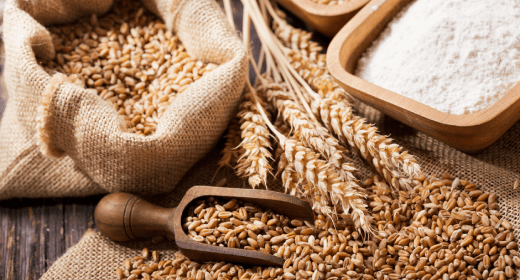
Wheatgrass is the fresh shoots of the wheat plant harvested before the grain sprouts. Although unusual, it is a common meal component for cats. Wheatgrass is rich in protein, carotene, and vitamins A, E, and C, making it an added source of nutrition for cats. Cats often nibble on wheatgrass and leafy greens to improve their digestion as fibres present in these plants aid in smoother bowel movement. However, it is important to ensure that your cat only feeds on organic and pesticide-free wheatgrass.
Generally, all cats that are not allergic to wheatgrass can easily digest and benefit from its nutritional value of it. Wheatgrass for cats is a good source of vitamins, protein, and other essential nutrients. The fibre and selenium help in improving the cat’s gut health. However, you should identify if your kitty is allergic to wheatgrass before letting it nibble on wheatgrass. The following are some signs that will help you identify if your cat is allergic to wheatgrass:
Even if your cat is not allergic to wheatgrass, you must limit its consumption to less than 10% of its total caloric consumption. Wheat for cats is best served every alternate day instead of daily.
While everyone knows wheatgrass for cats is beneficial for digestion, there are various other benefits of wheatgrass as well. The following are some of the many benefits of wheatgrass for cats:
While there are many advantages of wheatgrass and wheat for cats, there are a few considerations and disadvantages as well. Some of the demerits of excessive munching on wheatgrass for cats are as follows:
Most cat parents have a hard time differentiating between cat grass and wheatgrass. If you are one of them, fret not. We will understand the difference between the two in this section.
Cat food brands often market wheatgrass as cat grass. However, you must note that cat grass can be any grass, from barley and oats to wheatgrass and fescue. So, if you see a pack of cat food that says cat grass, check its label. Moreover, ensure that you opt for brands that use organic ingredients.
Now that you know of the benefits of wheatgrass for cats, you can start adding the regulated amount of wheatgrass to their diet. Please consult a veterinarian before deciding to serve wheat or wheatgrass to your feline friend.