Enter a keyword below to search for articles and products.
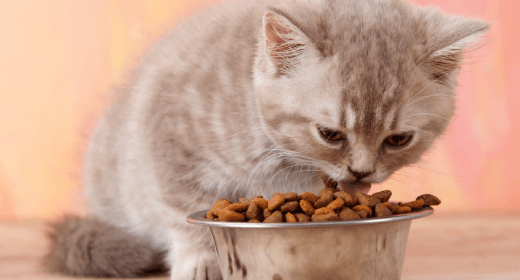
If you are considering an all-natural, holistic, or organic kitten food, here are some facts you may not be aware of. Currently the pet food market is experiencing a push toward “all-natural,” “holistic,” and “organic,” the significance of which is still to be determined. The question becomes, is there an actual benefit to an “all-natural,” “holistic,” or “organic” diet?
AAFCO defines “natural” as “…derived solely from plant, animal, or mined sources… not containing any additives or processing aids that are chemically synthetic except in amounts as might occur unavoidably in good manufacturing practices.”
Loosely interpreted, this definition could include a range of “natural” products, including tobacco or any other naturally grown drug or substance.
None of these “all-natural” products are considered healthy additives for your kitten. So it is apparent that regulatory work is needed to define the true beneficial use of all-natural. Also noteworthy is the fact that nowhere within the definition are plant and animal by-products excluded. Not only are they “natural,” but they contribute valuable nutrients as ingredients in human and animal foods.
The term “holistic” kitten food is not distinctly defined by any of the regulatory agencies as a classification for food. This is particularly noteworthy in kitten food, because all diets sold commercially must be “Complete and Balanced” for a designated age or activity level. Or in other words, be a “holistic” dietary approach.
Organic kitten food is labeled “organic” by a government-approved certifier who inspects the farm where the food is grown to make sure the farmer is following all the rules necessary to meet USDA organic standards. Whether organic kitten food provides any additional safety or nutritional value is still being debated by experts. Even the USDA refuses to take a position. It is also important to note that there are no strict requirements for organic kitten food right now.
There is tremendous confusion surrounding the significance of all-natural, holistic, and organic kitten food terms. Widespread use without substantiation has forced several government and “watch-dog” consumer groups to become involved; this will result in more education and clarification as to what these terms really mean to consumers. But, for now usage of these terms requires your consideration.
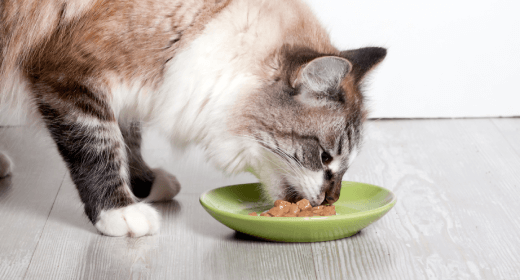
Cats are known for their graceful demeanor and independent attitude. Their average lifespan is approximately 12 to 18 years. Cats over 3 years of age are deemed adults, and from the age of 11 years, they become senior cats.
Like most animals, cats’ eating habits also change with age – kittens often need more food as they require more energy, and adult cats require a moderate amount of food to have sufficient energy. Senior cats often have a smaller appetite compared to their younger counterparts. Therefore, pet parents should keep track of their cat’s changing food requirements. Read the following if you too have queries related to feeding cats or how to feed older cats.
Your senior cat’s health and well-being are directly linked to their eating habits. Cat caregivers need to be more vigilant while feeding senior cats to ensure that their feline friend is provided with the right amount of nutrition and nourishment.
As a pet parent, you need to be mindful when feeding your cat. It has different nutritional requirements at various stages of its life. Kittens need to be fed with uttermost care to ensure appropriate growth and development, adult cats need well-monitored feeding portions to avoid overeating, and senior cats need a regularised diet to maintain their health. Hence, senior cat food contains high-quality protein and added vitamin E for more bone and joint strength.
As cats grow older, their sense of taste and smell begin to fade. Senior cats also experience deteriorating teeth which affect their ability to chew. Hence, older cats’ caregivers need to take the following measures while feeding them:
Include softer food so that it is easier for your senior cats to properly chew the food
Add food with higher meat content to enhance the food’s smell and flavor
An old kitty or senior cat may need a small quantity of food with higher nutrients. Cat feeding tips help pet parents to provide the right nutrition and nourishment to their senior kitty. Here are a few essential tips that caregivers should consider when feeding their senior cats:
Even though the food requirements of cats depend on the kitty’s age, you should also take their health condition, weight, appetite, and lifestyle into consideration. Pet parents are also recommended to consult a veterinary doctor to understand their kitty’s health requirements, nutritional deficiencies, and underlying diseases before selecting a diet plan or senior cat food brand.