Enter a keyword below to search for articles and products.
The Association of American Feed Control Officials (AAFCO) was formed in 1909 to establish a framework for uniform regulation of the feed industry. Although not a government agency, AAFCO operates within the guidelines of federal and state legislation including laws administered by the Food and Drug Administration (FDA) and the U.S. Department of Agriculture (USDA).
AAFCO establishes standards or models for regulations aimed at ensuring that manufacturers provide clear, accurate, and consistent information about animal feed, including pet food.
Every year AAFCO issues an official publication called the AAFCO Manual. This manual, in addition to listing ingredient definitions and feed terms, addresses labeling issues such as label format, ingredient lists, nutrition claims, and guaranteed analysis.
These model regulations are different than laws. However a large number of state governments have adopted AAFCO pet food model regulations into state law.
The “AAFCO statement of nutritional adequacy or purpose,” also called a “nutrition claim” or “complete and balanced statement,” identifies which life stage and/or lifestyle the product has been approved for. Under AAFCO regulations, this statement must be substantiated by the manufacturer.
AAFCO recognizes three methods for substantiating the claim:
AAFCO has outlined very specific protocols, or guidelines, for conducting feeding tests. The protocols specify test criteria including such things as:
Each life stage has its own protocol. Life stages are the same for both dogs and cats and are defined as:
A pet food with an 'All Life Stages' claim can be used from weaning through adulthood. This claim is considered an unqualified (absolute) representation of nutritional adequacy. If substantiated through feeding trials, the protocol for gestation/lactation and growth must be performed sequentially, using the same group of animals.
AAFCO regulations state that specific wording must be used when a diet is intended for special nutritional or dietary needs that require the involvement of a veterinarian for diagnosis, management, and follow-up.
Understanding the AAFCO statements for nutritional adequacy can help customers choose a high-quality diet that provides complete and balanced nutrition for the appropriate life stage of their dog or cat.
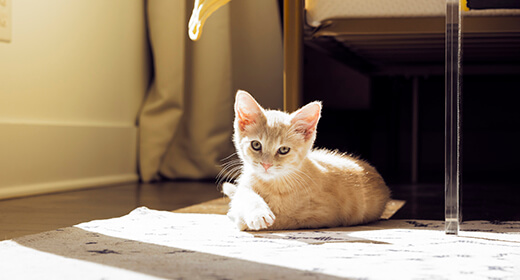
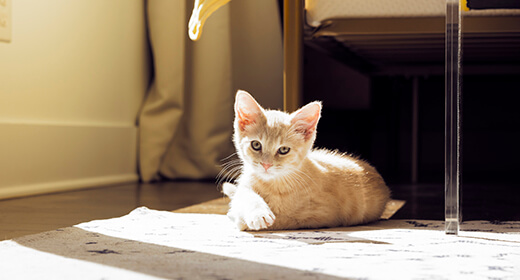
When you snuggle up to your new feline friend and notice them scratching a tad too often, it might be a sign of kitten fleas. Along with causing itching and discomfort, this dreaded parasite can also transmit diseases. In fact, during extreme cases, fleas can even cause anaemia, especially in little ones like kittens. However, don't worry, we have the purrfect guide for you to handle these pesky invaders.
Before jumping to any kitten flea remedy, you must evaluate the situation. Depending on your kitten's age and weight, your approach will vary.
Points to remember:
Kittens under 12 weeks should not be introduced to chemical flea prevention products.
Always check product guidelines to ensure they are suitable for your kitten’s age and weight.
Only use products designed for cats, as our feline friends process chemicals differently than dogs.
Comb your kitten: A fine comb can effectively remove visible fleas.
Bathe your kitten: If your kitten is of suitable age, use a flea and tick shampoo made for sensitive skin. For younger kittens, you might want to try non-medicated, tear-free soaps like a baby shampoo.
Clean the environment: Your battle against fleas isn't just on your kitten. Wash all bedding in hot soapy water and vacuum carpeted areas thoroughly. Empty vacuum bags or canisters outside. Sprays can help eradicate fleas and their eggs indoors.
Protect the Yard: Even if your kitten is an indoor kitty, fleas might sneak in from outside. Using sprays can be an effective way to safeguard your yard.
When it comes to flea treatment for kittens under 12 weeks, options can be limited. Young kittens are particularly sensitive, and many treatments suited for adult cats can be harmful to them. Here's how to proceed:
For kittens under 8 weeks old, your safest bet is to use a flea comb. This tool, when dipped in hot, soapy water between brushes, can help you physically remove and kill off adult fleas.
Another effective method for very young kittens is bathing. A gentle bath with warm water and a fragrance-free dish liquid or natural baby shampoo can be effective in reducing the flea population. However, be sure to make this a quick affair to prevent your kitten from getting overly cold or scared.
Natural sounds great, doesn't it? But here's a cat-sized caution: Avoid essential oils as a kitten flea remedy. Many essential oils are toxic to cats, even in minimal doses. Some flea treatments boasting 'natural' ingredients might contain these oils, which could pose risks for your kitten. Always read labels and, when in doubt, consult with your vet.
For kittens older than 8-10 weeks and weighing more than 1.5-2 pounds, topical treatments become an option. A golden rule here is always to ensure the chosen product matches your kitten's age and weight.
It's essential to strike a balance between effectiveness and safety. Prescription treatments from your veterinarian typically offer the most robust protection against fleas. However, there are over-the-counter options available, which might be more accessible for some pet owners. No matter your choice, the key is to read labels carefully and avoid harmful ingredients, such as permethrin and certain essential oils.
Fleas might be pesky, but with knowledge, patience, and the right tools, you can keep your kitten flea-free and happy. Always keep your veterinarian in the loop and ensure any treatment or remedy you use is age and weight appropriate. Remember, a flea-free kitten is a happy kitten!