Enter a keyword below to search for articles and products.
The Association of American Feed Control Officials (AAFCO) was formed in 1909 to establish a framework for uniform regulation of the feed industry. Although not a government agency, AAFCO operates within the guidelines of federal and state legislation including laws administered by the Food and Drug Administration (FDA) and the U.S. Department of Agriculture (USDA).
AAFCO establishes standards or models for regulations aimed at ensuring that manufacturers provide clear, accurate, and consistent information about animal feed, including pet food.
Every year AAFCO issues an official publication called the AAFCO Manual. This manual, in addition to listing ingredient definitions and feed terms, addresses labeling issues such as label format, ingredient lists, nutrition claims, and guaranteed analysis.
These model regulations are different than laws. However a large number of state governments have adopted AAFCO pet food model regulations into state law.
The “AAFCO statement of nutritional adequacy or purpose,” also called a “nutrition claim” or “complete and balanced statement,” identifies which life stage and/or lifestyle the product has been approved for. Under AAFCO regulations, this statement must be substantiated by the manufacturer.
AAFCO recognizes three methods for substantiating the claim:
AAFCO has outlined very specific protocols, or guidelines, for conducting feeding tests. The protocols specify test criteria including such things as:
Each life stage has its own protocol. Life stages are the same for both dogs and cats and are defined as:
A pet food with an 'All Life Stages' claim can be used from weaning through adulthood. This claim is considered an unqualified (absolute) representation of nutritional adequacy. If substantiated through feeding trials, the protocol for gestation/lactation and growth must be performed sequentially, using the same group of animals.
AAFCO regulations state that specific wording must be used when a diet is intended for special nutritional or dietary needs that require the involvement of a veterinarian for diagnosis, management, and follow-up.
Understanding the AAFCO statements for nutritional adequacy can help customers choose a high-quality diet that provides complete and balanced nutrition for the appropriate life stage of their dog or cat.
The appearance of your cat’s skin, coat, and fur are indicators of its health. A healthy coat is smooth and shiny, not coarse or brittle. Healthy cat skin is soft, supple, and clear, not greasy, flaky, or bumpy. While your cat’s diet and nutrition fuel the shine on the outside, basic grooming will surely add an extra touch of beauty.
There is so much you can do as a pet parent to make sure that your feline’s skin and hair stay healthy. From feeding it the right foods to investing in appropriate products for your cat’s well-being, treating skin problems in cats is not that confusing. Keep reading to learn more about cat skin conditions and how you can keep your cat’s coat and skin healthy.
Since there are various cat breeds, several coat characteristics are considered to be healthy, such as:
Hairless coat (Sphynx cat)
Curly hair with minimal shedding (Rex cats)
Smooth coats with sparse undercoats (oriental breeds)
House or domestic cats with a regular outer coat of short hair and a soft layer of undercoat to provide additional insulation
Longhaired cats with silky smooth hair that knots easily
As the largest organ of the body, your feline’s skin health should always take priority. For most cats, their skin is mostly covered with hair that sheds and grows back throughout their lifetime. The best way to maintain your feline’s skin and hair health is by feeding a balanced diet that includes high-quality digestible proteins, fats, carbohydrates, vitamins, and minerals. This will help your cat consume enough calories to maintain its energy needs. In fact, this will also cause the liver and kidneys to work more efficiently to eliminate all waste products.
While there are many nutrients that you can include in your kitty’s diet, some stand out as essentials for your kitten’s skin and hair health. Omega-3 and omega-6 fatty acids are two nutrients that you should include in your cat’s diet without fail. Omega-3 fatty acids such as alpha-linolenic acid (ALA) and eicosapentaenoic acid (EPA) help maintain skin and coat health and help sustain the skin’s water permeability barrier. Omega-6 fatty acids such as linoleic acid and arachidonic acid ensure that the epithelial tissues stay healthy in your cat’s body.
You can decide your cat’s meal plans with your vet who can suggest the right foods according to your cat’s age. If you have not consulted a vet and notice that your cat’s coat has become dull, dry, and sheds excessively, make sure that you visit a professional and make appointments for regular checkups.
Vitamins should be an integral part of your cat’s diet and must be fed in the right proportions. Many important vitamins are found in the raw materials of your cat’s food and are synthesised from there, making a balanced and nutritious diet key to your feline’s good health. Here are a few vitamins that a cat must receive from its diet:
Vitamin A: A fat-soluble vitamin that is eminent for a strong immune system and healthy vision. However, large amounts of Vitamin A can be toxic for your cat. Make sure you consult a vet to know the right amount of dosage for this particular vitamin.
Vitamin C: Vitamin C is an antioxidant that helps heal wounds and helps cats use protein effectively.
Vitamin D: Vitamin D helps retain phosphorus and calcium in your cat’s body. It is also known as the “sunshine vitamin” as it helps the bones, muscles, and nerves function well.
Vitamin B1 (Thiamine): A water-soluble vitamin that is important for healthy metabolism, and maintenance of normal growth and nerve impulse transmission.
Vitamin B2 (Riboflavin): Vitamin B2 helps your cat’s body break down carbohydrates, fats, and proteins, to produce energy, and to let the body use oxygen. This vitamin also helps maintain your cat’s skin and coat health.
Vitamin B3 (Niacin): A water-soluble vitamin that is eliminated through your cat’s urine, this vitamin should be restored regularly in your feline’s body. It helps keep your kitty’s gastrointestinal functions, nervous system, and skin healthy.
Vitamin B6: This vitamin helps your cat’s body break down fats, proteins, and carbohydrates to produce energy and supply oxygen throughout the body.
Like vitamins, minerals are also essential for your cat’s body. They promote enzyme formation, oxygen supply, nutrient utilization, and pH balance. Here are some minerals that should be included in your cat’s diet:
Calcium
Iron
Sodium
Magnesium
Chloride
Consult a vet to know the right amount of vitamins and minerals your cat should be consuming to stay healthy.
Common cat skin conditions such as excessive scratching and licking, redness and swelling of the skin, loss of fur, scabby and flaky skin, and more are inevitable. What you can do is follow these steps to ensure that these skin problems in cats are kept at bay:
Ensure that you are feeding your cat the best diet food available. A balanced and nutritious diet will help it derive the most important vitamins and minerals to synthesise carbohydrates, fats, and protein. It will also help in maintaining your cat’s overall skin and coat health.
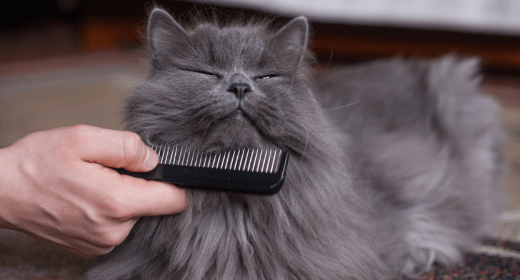
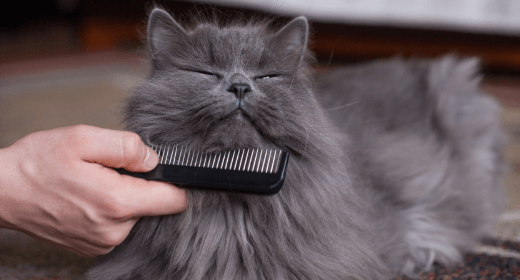
Good grooming habits can really help your cat’s skin and coat health. While regularly brushing and combing your cat’s hair is a great way to bond, doing so will also prevent mats from developing. Mats can cause great discomfort for cats and can also cause hair loss and skin infections. Use a good grooming tool to ensure that your feline’s hair is combed with ease and there is no irritation or discomfort.
Shampooing your cat’s fur is not exactly common. Cats have a habit of self-grooming and they are not the most cooperative when it comes to baths. However, if your cat is itchy or just too dirty, it is best to use a shampoo that is formulated especially for cats. Ensure that you do not use any cat shampoo with tea tree oil since it is toxic to your feline’s skin and coat. If you do not know which shampoo to use, consult your vet to find out the ideal medicated shampoo for your cat.
Flea diseases are the most common skin problems in cats and should be treated immediately. Flea diseases can cause your cat to scratch and lick continuously, which can lead to wounds or partial baldness.
If you have a cat that is suffering from severe anxiety and stress, there will be signs. Excessive licking and grooming are signs that your cat is conscious and is acting out. This can cause a great amount of hair loss. Apart from appearance, stress and anxiety in cats can also induce serious health issues such as idiopathic feline lower urinary tract disease. If you notice your cat licking itself all the time, take it to a professional for a regular checkup.
Cat skin conditions are usually a sign of some imbalance in the body. If you have noticed that your furry pet has been having some skin troubles that are not getting resolved even after continued efforts, take it to a vet and rule out any serious conditions.